

A house might look perfect on paper, though daily life quickly reveals which spaces actually carry the workload. People move through the same routes again and again. Bags land in the same corner. Shoes are piled near the same door. A hallway becomes the path everyone takes while rushing upstairs. Those practical spaces quietly shape how the entire home functions.
Take a closer look at any lived-in house, and patterns start to appear. One door becomes the main entry even if the architect imagined another. A corner of the kitchen becomes the unofficial drop spot for mail and phones. Storage areas slowly adapt to real routines rather than the original design. Rethinking these practical spaces can make everyday life feel smoother without changing the size of the home.
The Garage as a Daily Transition Space
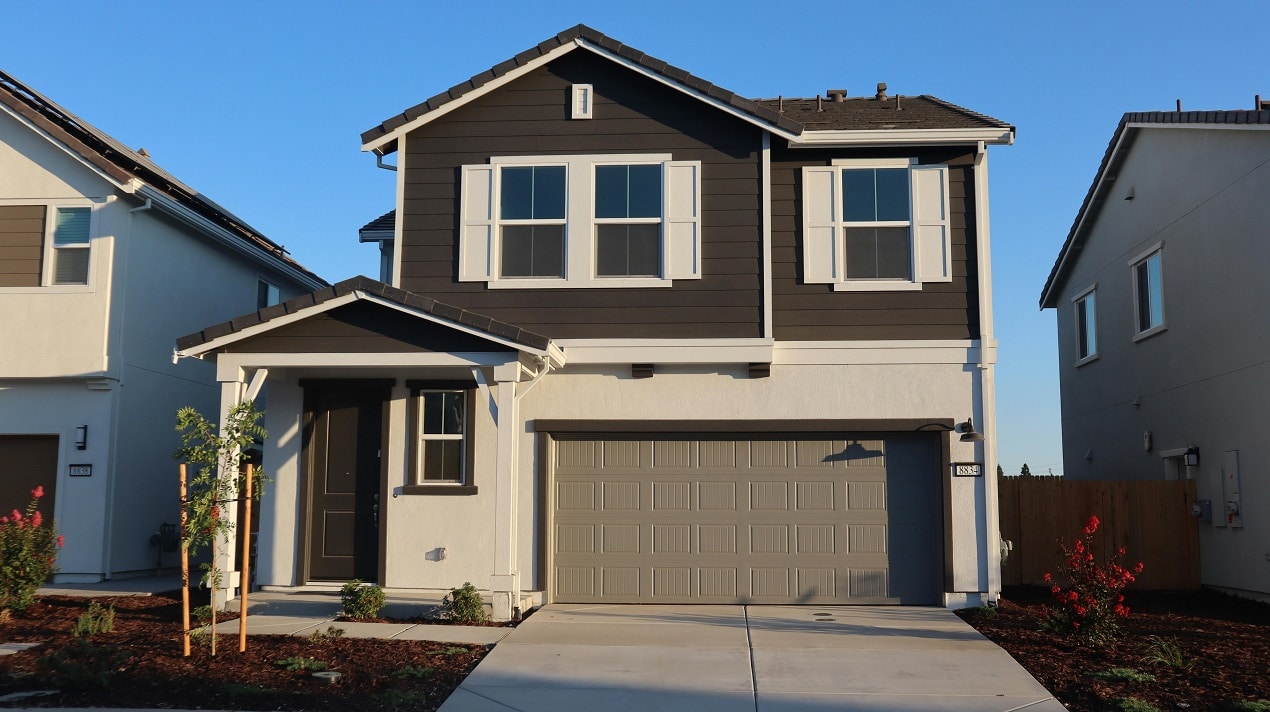
The garage often works as the real entrance of the house. People walk through it carrying groceries, sports equipment, tools, and backpacks. It becomes the place where outside life meets indoor routines. A well-organized garage can make that daily transition feel effortless instead of chaotic.
Shelving along the walls, a spot for shoes, and a simple system for tools can keep the space from turning into a dumping ground. Access matters too. Functional garage doors allow the space to operate smoothly since the door may move several times a day. If the door starts sticking, making noise, or moving unevenly, bringing in experts to fix the system helps keep one of the home’s busiest entry points reliable.
Hallways That Quietly Shape Movement Through the Home
Hallways rarely receive much design attention. They simply connect rooms and guide people through the house. Despite that modest role, they influence daily movement more than many larger spaces.
A hallway that feels dark or narrow can make the home feel cramped, even if the rooms themselves are spacious. Good lighting, clean walls, and a little visual interest can change the feeling of the space. A narrow console table or a row of framed photos can give the hallway character without blocking the path people rely on throughout the day.
Mudrooms as Organizational Hubs for Busy Homes
Mudrooms earn their reputation as hardworking spaces. They sit between the outside world and the interior of the home, catching all the things people carry with them. Wet boots, muddy shoes, jackets, and sports gear often stop there first.
Hooks, cubbies, and a sturdy bench can turn that traffic into an organized system. Each person in the house may have their own small section for bags and coats. Instead of clutter spreading across living areas, everything stays contained in a single spot.
Kitchen Edges That Function as Everyday Workstations
The center of the kitchen usually handles cooking, though the edges of the room often take on a completely different role. A side counter becomes the place where mail gets sorted or where someone charges their phone while chatting with family. A small corner might turn into the breakfast preparation spot every morning.
Designing these edges with purpose can make the kitchen far easier to live with. A few outlets, open counter space, and nearby storage help those small tasks happen naturally. Instead of interrupting cooking areas, everyday activities find their own place within the kitchen layout.
The Space Beneath Staircases as Hidden Utility Areas
The space under a staircase often ends up as a forgotten corner. Many homes leave it empty or fill it with random boxes that slowly pile up. This small triangular area may look awkward at first, yet it can become one of the most practical storage spots in the house.
Shelving, small cabinets, or even a narrow closet can fit comfortably in that area. Cleaning supplies, vacuum equipment, or seasonal items can stay tucked away without taking space from larger rooms. A household that uses this space intentionally often finds that several items suddenly have a proper home instead of drifting from room to room.
Pantries That Influence Kitchen Workflow
A pantry might seem like simple storage, though its layout can affect how the entire kitchen operates. Ingredients, snacks, and cooking supplies all move in and out of this space throughout the day. If the shelves feel crowded or difficult to reach, even basic meal preparation can feel frustrating.
Spacing between shelves, labeled containers, and visible storage makes a difference. A family can quickly see what is available instead of digging through stacked boxes.
Guest Rooms That Double as Flexible Household Space
Guest rooms often remain unused for long stretches of time. Visitors may stay a few times a year, leaving the room empty the rest of the time. Many homeowners have started treating these rooms as flexible spaces instead of leaving them untouched.
A reading chair, hobby table, or compact desk can turn the room into a comfortable workspace during ordinary weeks. The bed and closet remain ready for visitors, though the room still contributes to everyday life.
Outdoor Storage Areas Supporting Indoor Organization
Outdoor storage plays an important role in keeping the inside of a home comfortable and organized. Gardening tools, seasonal decorations, yard equipment, and sports gear often do not belong inside living areas. Without an outdoor solution, those items slowly creep into garages, closets, or hallways.
A small shed, weatherproof cabinet, or storage bench can make a huge difference. Lawn tools stay outside where they are easy to reach, and winter decorations remain protected until the next holiday season.
Small layout adjustments, better storage solutions, and thoughtful organization can change how smoothly the entire house functions. Once these overlooked areas begin working with daily routines rather than against them, the whole home starts to feel easier to live in.