

After heavy rain, many homeowners notice water collecting near the base of their house. This is not just a surface problem. It shows that water is not draining away properly. If you ignore it, the water can damage your foundation, cause cracks, and lead to mold or basement leaks. To fix the issue, you need to understand the main causes and how they affect water movement around your home.
Grading Issues That Direct Water Toward Your Home
The slope of your yard plays a key role in drainage. The ground slope should guide water away from your foundation. When the ground slopes toward your house, rainwater flows in the wrong direction and collects near the base.
This problem often develops over time. Soil can settle, landscaping can change, or construction work can alter the slope. Even a slight tilt toward the house can cause water to pool. Fixing the slope by adding soil and creating a gentle outward grade can solve this issue quickly.
How Clogged Gutters Contribute to Water Overflow?
Clogged gutters often play a hidden role in this problem. When gutters fill with leaves and debris, they cannot carry water properly. Instead, water spills over the sides and falls directly near the foundation.
This overflow increases the amount of water around your home during rain. Many homeowners schedule gutter cleaning when they notice pooling because it is one of the easiest problems to fix. In some cases, they look for services like the best gutter cleaner in White Plains to ensure the system works properly. Clean gutters help control water flow and support the entire drainage system.
Compacted Soil That Blocks Water Absorption
Soil condition also affects how water drains. When soil becomes compacted, it turns hard and dense. This stops water from soaking into the ground, so it stays on the surface and forms puddles.
Clay-heavy soil makes the problem worse because it already holds water for longer periods. When combined with compaction, it creates a barrier that traps water near your foundation. Loosening the soil or adding organic material can improve absorption and reduce pooling.
Downspout Placement That Keeps Water Too Close
Downspouts carry rainwater from your roof to the ground. If they end too close to your house, they dump water directly near the foundation. This leads to fast buildup during heavy rain.
Many homes have short downspouts that release water only a few inches away. This is not enough distance. You should extend downspouts at least 5 to 10 feet away from your house. This simple fix helps move water safely away and prevents pooling.
Landscaping Barriers That Trap Water
Landscaping features can sometimes block water instead of guiding it away. Raised flower beds, garden borders, and walkways can act like barriers. They stop water from flowing naturally and cause it to collect near the foundation.
Improper placement of mulch or decorative stones can also slow drainage. While these features improve the look of your yard, they must allow water to move freely. Adjusting or redesigning these areas can improve water flow and reduce buildup.
Drainage Mistakes That Lead to Water Buildup
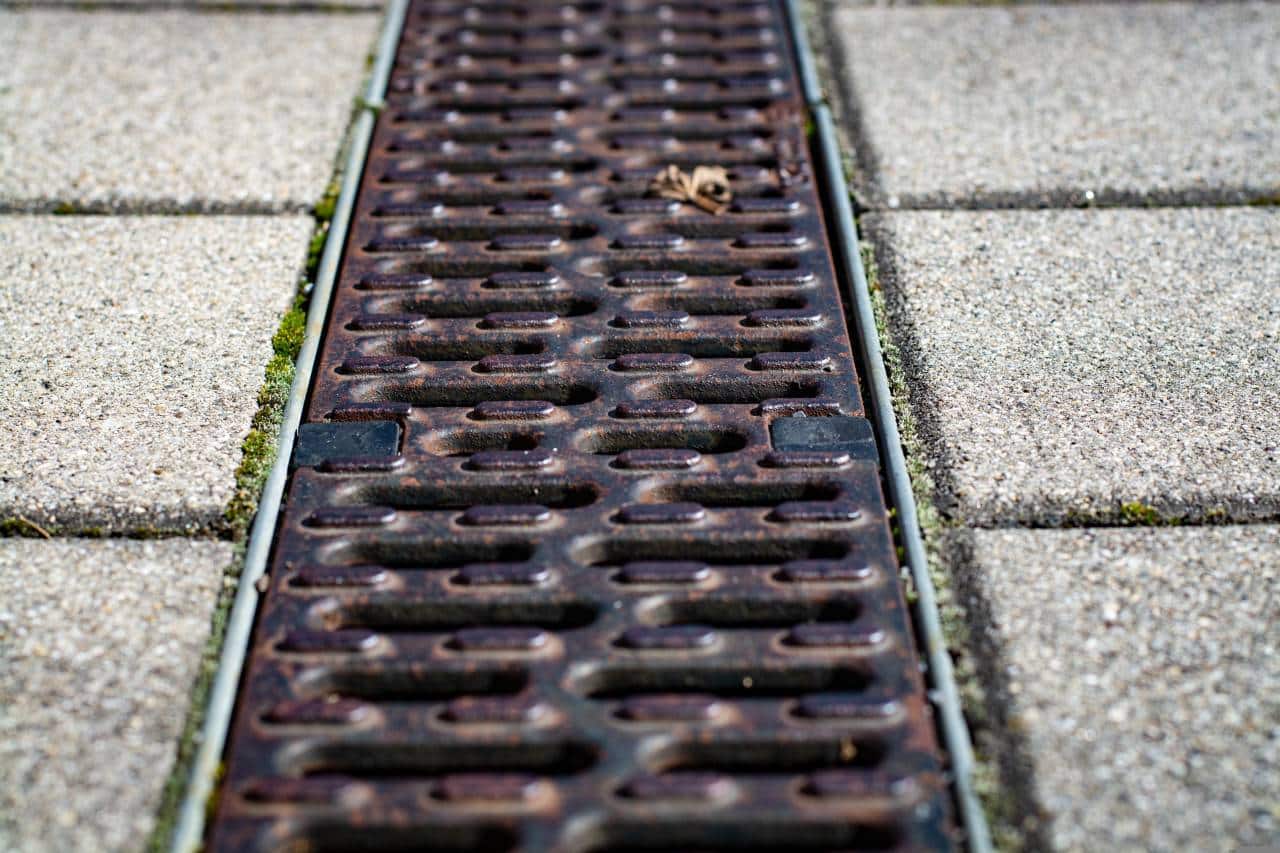
Poor drainage design is a common reason for water pooling. Missing or ineffective drainage systems fail to handle large amounts of rainwater. Without proper channels, water has nowhere to go.
Some homes lack basic solutions like surface drains or underground systems. Others have systems that were installed incorrectly. Fixing these mistakes may involve adding drains, improving grading, or combining multiple solutions to manage water effectively.
Conclusion
Water pooling near your foundation after heavy rain usually comes from a combination of issues. Poor grading, compacted soil, short downspouts, and blocked landscaping all affect how water drains. On top of that, clogged gutters can make the situation worse by dumping extra water near your home. By identifying these problems early and fixing them step by step, you can protect your foundation and keep your home safe from long-term damage.