

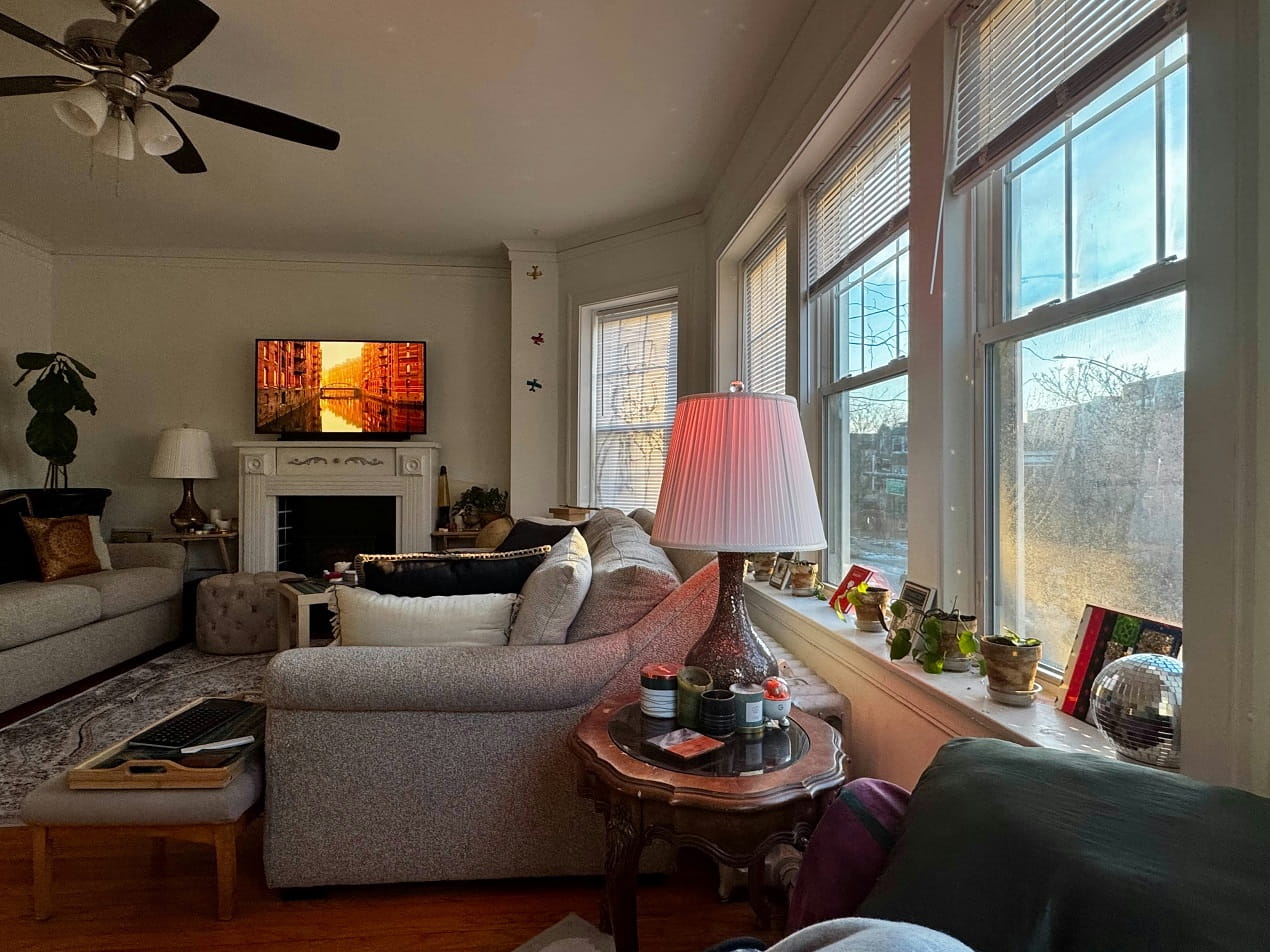
There is a moment many homeowners reach when the house technically works, but it does not feel good to live in anymore. Closets overflow, surfaces collect clutter, and rooms start pulling double duty without a clear plan. The fix is not more storage bins or a bigger house. It is a design reset that brings intention back into everyday spaces, one that blends organization with visual calm and choices that actually hold up to real life.
This approach is less about perfection and more about designing rooms that support how people move, cook, rest, and gather. It favors materials that age well, layouts that reduce friction, and systems that stay flexible as needs change. When done right, the home feels easier to maintain and easier to enjoy, without looking like it was staged for a catalog.
Designing Storage That Does Not Feel Like Storage
Good organization starts with understanding where clutter comes from, not where it ends up. Most mess is created at transition points, the entryway where bags land, the kitchen counter where mail piles up, the bedroom chair that becomes a clothing magnet. Design that accounts for these habits feels intuitive instead of strict.
Built-ins that blend with architecture help storage disappear into the room. Think shallow cabinets near doorways, drawers integrated into banquettes, or shelving that aligns with window trim instead of fighting it. When storage is visually connected to the room, it feels intentional rather than added as an afterthought.
Open shelving still has a place, but it works best when paired with closed storage nearby. That balance allows for display without demanding constant tidying. The goal is not to hide everything, but to give everyday items a clear home so surfaces can breathe.
Materials That Carry the Weight of Daily Life
Design decisions last longer when materials are chosen for both looks and resilience. In kitchens and workhorse spaces, finishes need to handle spills, heat, and frequent use without showing wear immediately. That is where porcelain countertops have earned their place in modern homes. They offer a clean, refined look while standing up to scratches, stains, and temperature swings. Because they can mimic natural stone or concrete, they fit into a wide range of styles without the maintenance demands of more delicate materials. When surfaces are easy to live with, people use them more freely, which changes how a room functions day to day.
Flooring follows the same logic. Durable materials with subtle texture hide wear better than glossy finishes and feel grounded underfoot. These choices quietly support the flow of daily routines without calling attention to themselves.
Layouts That Reduce Friction Instead of Adding It
A well organized home often comes down to circulation. When rooms are arranged so movement feels natural, less clutter accumulates and spaces feel larger than they are. Clear pathways matter just as much as square footage.
In open plans, defining zones through furniture placement or ceiling treatments helps each area feel purposeful. A dining table anchored by lighting, a living area framed by a rug, or a workspace tucked into a corner with built-in shelving creates order without walls. This kind of clarity reduces the temptation to let one area spill into another.
In smaller homes, flexibility is key. Furniture that can shift roles, like a console that doubles as a desk or a guest room that functions as a home office, keeps the footprint efficient without feeling cramped.
Bathrooms That Work Hard Without Feeling Busy
Bathrooms are often small, but they carry a heavy load. Storage needs to handle daily essentials without crowding the space, and finishes need to handle moisture and constant use. Smart design here can dramatically improve how a home feels overall.
Wall mounted vanities, recessed medicine cabinets, and integrated shelving make the room feel lighter while increasing usable storage. When every item has a designated spot, counters stay clear and the space feels calmer from the moment you walk in.
Many homeowners approach bathroom remodels with a focus on layout first, knowing that improving flow and storage pays off long after trends fade. When the room supports daily routines instead of fighting them, even a small bathroom can feel like a retreat.
Living Spaces That Invite Use, Not Perfection
The most successful living rooms and family spaces are designed for real life. That means choosing furniture that encourages people to sit, stretch out, and stay awhile, rather than pieces that look good but feel precious.
Storage can be woven into these spaces subtly, through ottomans with hidden compartments, built-in media units, or side tables with drawers. These elements keep clutter at bay without turning the room into a storage facility. Lighting plays a quiet but important role here. Layered lighting, ambient, task, and accent, allows the room to shift moods throughout the day. When lighting is flexible, the space adapts to different activities without needing to be rearranged.
Design That Evolves With the Household
Homes change as people do. Kids grow, work patterns shift, and hobbies come and go. Design that accounts for this reality stays relevant longer and feels less rigid over time.
Modular storage systems, adjustable shelving, and furniture that can be reconfigured help spaces evolve without major overhauls. This approach respects both budget and sustainability, reducing the urge to start from scratch every few years. When design choices are grounded in how people actually live, the home becomes more forgiving. It supports mess, movement, and change without losing its sense of order. Organization and design, when considered together, create spaces that feel settled rather than styled, and that is what makes a house feel like it truly belongs to the people living in it.