


Student housing isn’t what it used to be. Gone are the days when you had to settle for cramped rooms, outdated furniture, and little privacy. Today’s residences are designed to give you comfort while helping you connect with others. They’re built around the idea that where you live shapes how you learn, grow, and build relationships.
You want more than just a place to sleep. You want a space that feels welcoming, supports your lifestyle, and makes it easy to meet people. Modern student residences are changing fast, offering options that balance independence with community. Let’s explore the different types of housing that are redefining student life.
Student housing isn’t what it used to be. Gone are the days when you had to settle for cramped rooms, outdated furniture, and little privacy. Today’s residences are designed to give you comfort while helping you connect with others. They’re built around the idea that where you live shapes how you learn, grow, and build relationships.
You want more than just a place to sleep. You want a space that feels welcoming, supports your lifestyle, and makes it easy to meet people. Modern student residences are changing fast, offering options that balance independence with community. Let’s explore the different types of housing that are redefining student life.
Traditional Dorms
Dorms, often referred to as residence halls, remain a central part of campus housing, though they’ve changed from the plain halls of the past. Many now include shared lounges, study pods, and kitchens that make everyday routines easier. Some feature wellness rooms or themed communities, such as honors or arts housing, which add personality and purpose to the traditional model.
Privacy is limited, but schools are finding ways to improve it. Semi-private rooms, smaller clusters of students, and gender-inclusive housing options are becoming more common. These adjustments give students a sense of independence while still keeping them close to peers, striking a balance between solitude and connection.
Dorms also influence identity. Living in a themed community can connect you with peers who share your passions, whether that’s science, music, or wellness. These micro-communities foster mentorship and collaboration, turning housing into a place where academic and personal interests intersect.
Community remains the strongest appeal of dorm living. Events, group projects, and casual hangouts happen naturally when you live just steps away from classmates. Dorms encourage friendships and teamwork, making them more than just housing. For many students, they’re the first environment where independence and community truly blend.
Apartment-Style Living
Apartment-style housing gives students more independence than dorms. Bedrooms are often private, and some layouts even include personal bathrooms. Kitchens let you cook your own meals, while living rooms provide space to relax with friends. This setup feels closer to real-world living, helping you prepare for life after college.
Even with added privacy, you’re not cut off from others. Shared kitchens, lounges, and study areas encourage interaction while still letting you control your environment. You can choose when to connect with roommates or classmates, making social life more flexible than in traditional dorms.
Apartment living also teaches responsibility. Managing bills, chores, and schedules mirrors adult life, giving you practical skills that extend beyond academics. At the same time, you benefit from the support of a student community around you, which softens the transition into independence. Many apartment complexes even offer furnished units, reducing the stress of moving and making it easier for students to settle in quickly.
If you’re exploring options, townhouse-style residences can be a smart middle ground. Sites like hillcrest-townhouses.com show how some student-focused properties combine private bedrooms with shared common areas, offering independence without losing community. Looking at a range of providers helps you compare layouts, costs, and amenities so you can find the fit that works best for your lifestyle.
Co-Living Spaces
Co-living spaces are designed with community at the center. You’ll share kitchens, lounges, and sometimes bathrooms, creating daily opportunities to connect. Flexible leases make them appealing if you don’t want to commit long-term, and the setup helps you meet new people quickly through shared routines.
Events are a defining feature. Organizers often schedule group dinners, workshops, or social nights that go beyond casual encounters. These activities foster deeper bonds and create a sense of belonging that’s harder to find in more private housing options.
Affordability is another draw. By sharing resources, you cut costs while still enjoying modern amenities. This makes co-living especially attractive in cities where rent is high, offering students a practical way to balance budget and lifestyle.
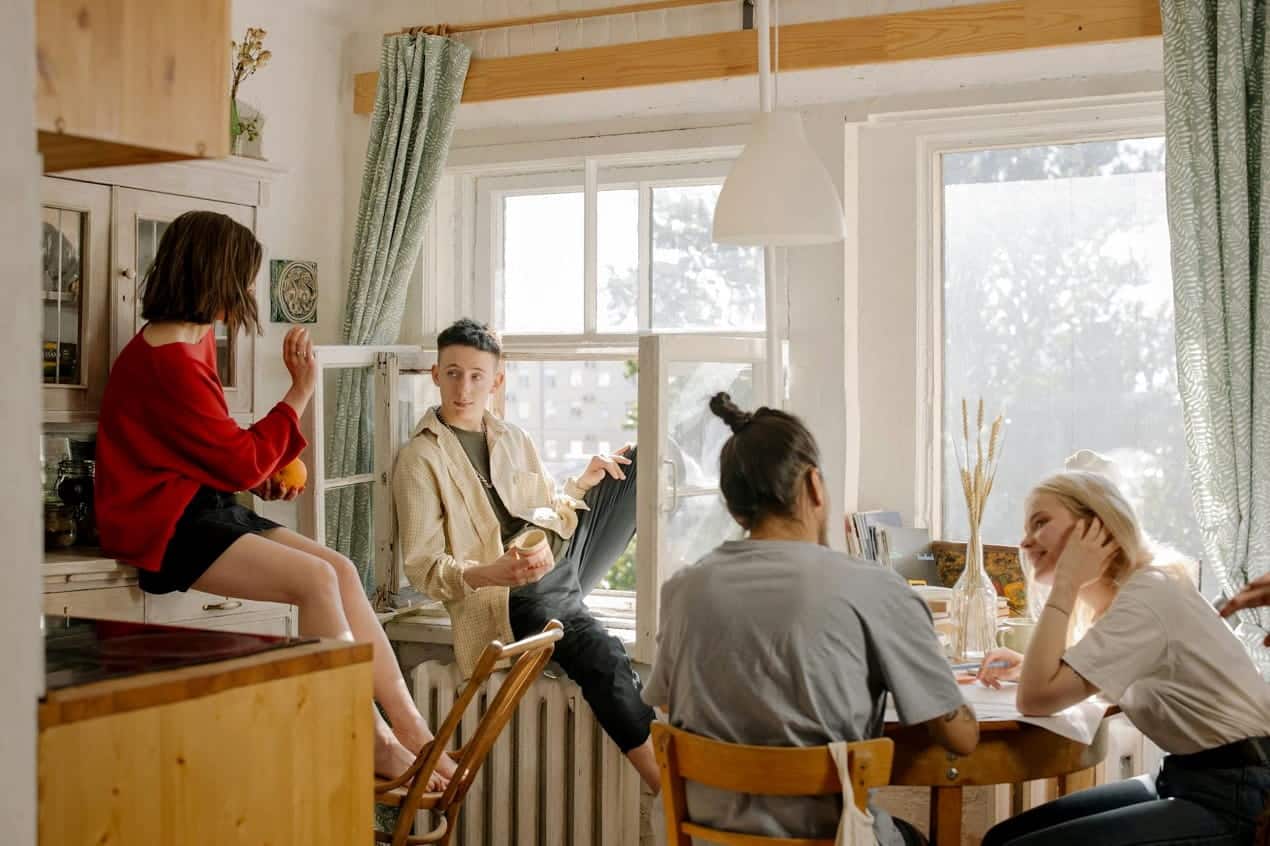
Living in a co-living space also means joining a built-in support system. Collaboration and shared experiences are part of everyday life, whether it’s cooking together or tackling group projects. For students, this environment offers both financial relief and a strong sense of community.
Luxury Student Residences
Luxury residences elevate student housing with amenities that rival high-end apartments. Gyms, pools, wellness centers, rooftop lounges, and smart appliances are common, offering comfort and convenience alongside academic focus. These spaces are designed to make daily life smoother while giving students access to premium facilities.
Students often choose luxury housing for balance. Quiet study areas sit alongside recreational spaces, while fitness centers and wellness programs help manage stress. This mix supports both academic success and lifestyle quality, appealing to those who want more than the basics.
Community is cultivated through curated events. Movie nights, fitness classes, and networking sessions bring residents together in ways that feel intentional. These activities make it easy to meet people while enjoying the benefits of shared amenities.
Luxury residences show how comfort and community can blend seamlessly. They provide a supportive environment that values well-being and connection, proving that premium housing can be more than indulgence. It can also serve as a model for how student life integrates success, health, and social engagement.
International Student Housing
International student housing is designed to help you feel at home in a new country. Residences often provide multilingual support, cultural programs, and guidance on local customs. Orientation sessions and peer mentoring make it easier to adjust quickly, turning housing into a bridge between your background and your new environment.
Living here means you’re surrounded by students from diverse cultures. Shared kitchens, lounges, and study areas become spaces for exchange, where traditions, foods, and perspectives are shared daily. This diversity transforms housing into a global classroom that broadens your experience beyond lectures.
Community is built through inclusivity. Events celebrate different cultures, while support services help with practical challenges like visas or healthcare. These resources ensure that international students feel secure and supported as they navigate life abroad.
More than shelter, international housing is a welcoming environment that fosters both academic success and social growth. By combining cultural exchange with practical support, it creates a space where students can thrive while far from home.
Hybrid Models
Hybrid housing blends the best aspects of dorms and apartments. Layouts often mix shared lounges with private bedrooms, or clusters of rooms around a common kitchen. This design gives students both independence and easy access to the residential community, making it appealing to those with varied needs.
Flexibility is the main advantage. If you prefer quiet, you can retreat to your private space. If you want connection, you can step into shared areas designed for study or casual hangouts. Hybrid models let you adjust your lifestyle without feeling locked into one setup.
These residences also reflect changing student expectations. Schools and developers recognize the demand for comfort and community, so they design spaces that balance both. Hybrid housing shows how student residences can evolve to meet diverse preferences while still keeping everyone connected.
For many, hybrid models represent the future of student living. They provide a middle ground that adapts to different personalities and schedules, proving that housing can be both practical and social. By offering choice, they empower students to shape their own experience.
Tips for Choosing the Right Student Housing
Choosing where to live during college can feel overwhelming, but breaking it down into priorities makes the process easier. Here are some reminders to guide your decision:
- Set your priorities: Decide what matters most, whether it’s privacy, affordability, or community. Dorms emphasize connection, apartments highlight independence, and co-living spaces focus on affordability and networking.
- Budget wisely: Look beyond rent. Factor in utilities, food, and transportation. Dorms often bundle costs, while apartments may mean separate bills.
- Consider location: Proximity to campus saves time and commuting costs, but housing farther away may offer more space or amenities. Think about how much travel you’re comfortable with.
- Check safety and security: Ask about measures like secure entry systems, well-lit pathways, and staff availability. Strong policies in these areas can make a big difference in your peace of mind.
- Visit or ask around: Touring the space or talking to current residents helps you get a feel for the environment and whether it matches your lifestyle.
The right housing shapes more than your daily routine. It influences how you grow academically, socially, and personally. Keeping your priorities in focus helps you choose options that support the kind of college experience you want to build.
Final Thoughts
Modern student residences are designed to do more than provide a room. They support comfort, foster meaningful connections, and offer different ways to balance independence with community. From dorms and apartments to co-living spaces and luxury residences, each option reflects how student life adapts to diverse needs and cultures.
Ultimately, the choice of where you live shapes your college experience in ways that extend beyond academics. Housing that reflects your values and lifestyle can create an environment where comfort, community, and opportunity come together, turning daily routines into something genuinely enriching.