

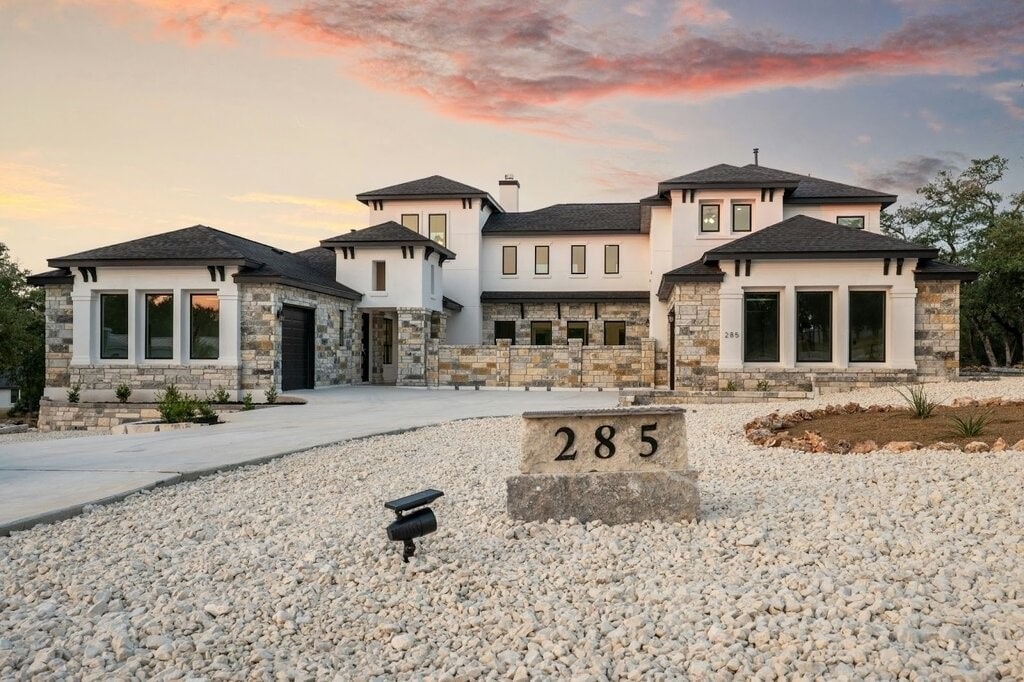
Most homes begin with a template. A layout that’s been tested, repeated, and slightly adjusted to fit a block.
A custom home starts somewhere else entirely. It begins with how you want to live, not how a plan is already drawn. That shift changes everything that follows, from layout to materials to how each space connects.
Instead of adapting your lifestyle to a structure, the structure is shaped around you.
Designing Around the Individual, Not the Average
Standard homes are built for general use. They aim to suit as many people as possible, which often means compromise in areas that matter more over time.
A custom approach removes that middle ground. Every decision reflects a specific preference, whether it’s how natural light enters the home, how rooms are positioned, or how private and shared spaces are separated.
The result is a home that feels intentional rather than adjusted.
Where Detail Starts to Matter More
In higher-end builds, the difference isn’t always size. It’s detail.
Proportions, finishes, and transitions between spaces become more refined. Small decisions like ceiling height, joinery alignment, or how materials meet at edges begin to shape the overall experience of the home.
These aren’t always the first things people notice, but they are what make a space feel considered rather than assembled.
The Role of Location in the Design
A well-designed home responds to its surroundings instead of ignoring them.
Orientation, natural light, privacy, and views all influence how the home is planned. Even factors like neighbouring properties or street presence can shape how spaces are positioned.
This is where custom luxury home builders Melbourne bring a level of local awareness that impacts the final result. Designing for the environment, rather than applying a generic plan, leads to a home that feels more connected to its setting.
Moving Beyond Layout Into Experience
At a certain level, design moves beyond rooms and square metres.
It becomes about how the home feels to move through. How one space opens into another, where natural pauses exist, and how transitions are handled between public and private areas.
This sense of flow is difficult to replicate in standard builds because it requires planning from the ground up rather than adapting an existing structure.
The Process Behind a Custom Build
One of the biggest differences with a custom home is the process itself.
It typically starts with conversations, not plans. Understanding lifestyle, priorities, and long-term needs comes before any drawings are finalised. From there, design concepts evolve, followed by detailed planning and construction.
This process takes more time, but it allows for decisions to be made with clarity rather than assumption. Each stage builds on the previous one, resulting in a more cohesive outcome.
Collaboration Shapes the Outcome
A custom home is not a one-direction process.
It relies on collaboration between the homeowner, designer, and builder. Ideas are refined, challenges are worked through, and adjustments are made along the way.
Working with an experienced custom luxury home builder in Melbourne ensures that the vision translates into something practical, not just conceptual. The balance between design and construction is what ultimately determines how well the home comes together.
Materials That Define the Space
Material selection plays a larger role in custom builds than many expect.
It’s not just about appearance, but how materials behave over time. How they reflect light, how they age, and how they feel within the space all contribute to the overall atmosphere.
Consistency also matters. A well-considered palette creates flow throughout the home, while mismatched choices can break that sense of cohesion.
Timeframes and Expectations
Custom homes require a different mindset when it comes to timing.
They take longer than standard builds because more decisions are being made throughout the process. Design refinement, approvals, and detailed construction all contribute to a longer timeline.
However, that time is part of what allows the end result to feel complete. Rushing the process often leads to compromises that defeat the purpose of building custom in the first place.
Balancing Design With Practical Living
While the focus is often on aesthetics, the home still needs to function comfortably.
Storage, movement, and day-to-day usability all need to be considered alongside design. A well-executed custom home doesn’t prioritise one over the other. It integrates both in a way that feels natural.
This is where thoughtful planning makes a difference. Practical elements are built into the design rather than added later.
Why Custom Feels Different Over Time
The difference in a custom home often becomes more noticeable the longer you live in it.
Spaces continue to support your routine instead of working against it. There’s less need to adapt or make changes because the home was designed with those patterns in mind from the start.
That long-term alignment is what separates it from more standard builds.
Creating Something That Doesn’t Need Reworking
One of the advantages of building custom is getting it right from the beginning.
Instead of renovating or upgrading later, the home is designed to meet both current and future needs. That reduces the likelihood of major changes down the track.
It also creates a sense of permanence. The home feels complete, rather than something that needs to be adjusted over time.