

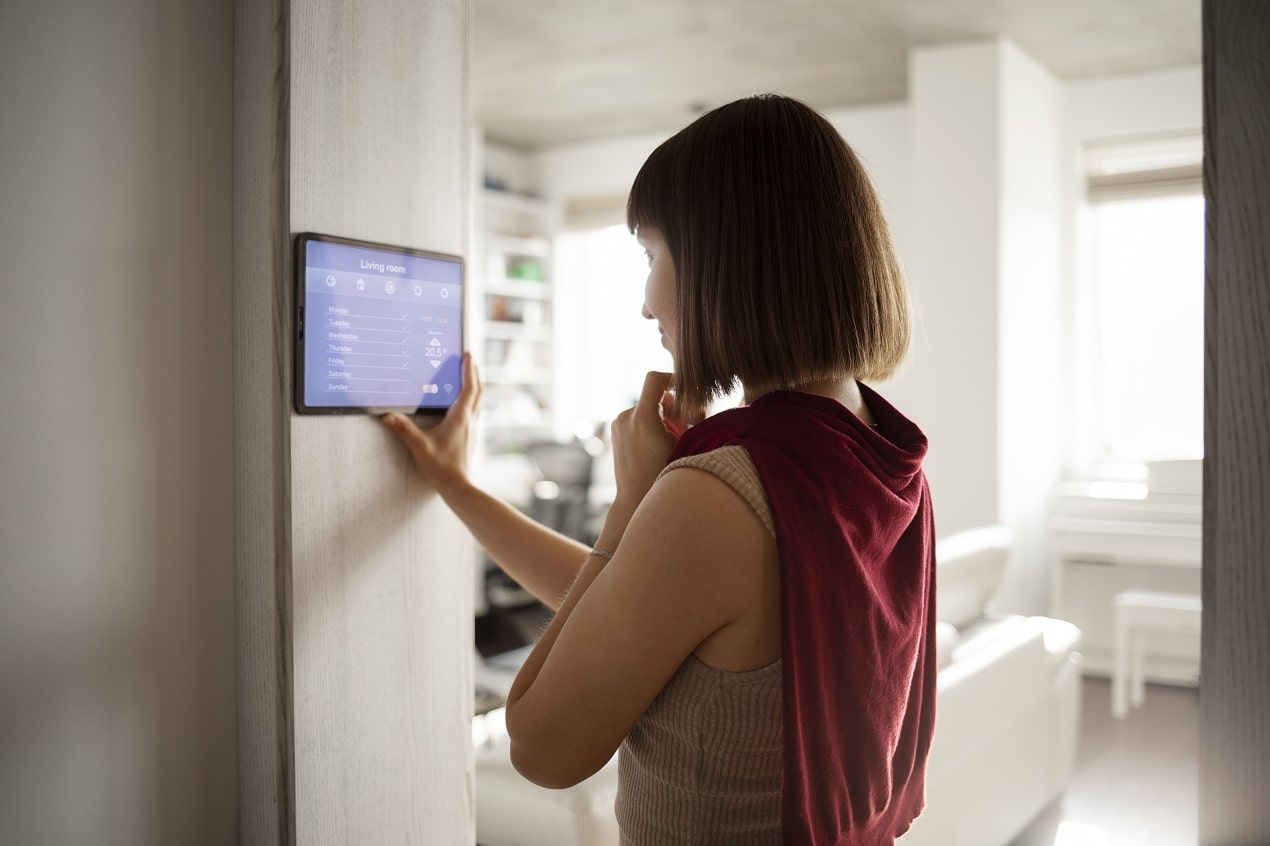
Smart Homes Are Easier To Buy Than Ever
From smart lights and door locks to voice assistants and automated curtains, smart home technology has become more accessible than ever.
Many homeowners start by purchasing individual devices, expecting everything to work together seamlessly. Others begin planning a smart home only after renovation works are already underway.
Unfortunately, these approaches often lead to unnecessary costs, compatibility issues, and missed opportunities.
The reality is that successful smart homes are rarely defined by the number of devices installed. Instead, they are usually the result of thoughtful planning that takes into account how the home is actually used.
Before investing in smart home technology, it helps to understand some of the most common mistakes homeowners make.
Mistake #1: Buying Devices Before Defining Your Needs
One of the most common mistakes is focusing on products instead of lifestyle requirements.
Homeowners often ask:
- Which smart switch should I buy?
- Which smart lock is best?
- Which app should I use?
While these are important questions, they come after a more fundamental one:
What problems are you trying to solve?
For example, a family with young children may prioritise:
- Automated lighting
- Security monitoring
- Remote access control
Meanwhile, someone who works from home may place greater value on:
- Automated blinds
- Climate control
- Energy management
Understanding daily routines helps ensure technology serves a practical purpose rather than becoming a collection of disconnected gadgets.
Mistake #2: Thinking A Smart Home Is Just Voice Control
Many people associate smart homes primarily with voice assistants.
While voice control can be useful, it is only one small part of home automation.
A well-designed smart home often works quietly in the background through:
- Automated schedules
- Occupancy sensors
- Lighting scenes
- Environmental controls
- Security automations
In many cases, the goal is not to give more commands but to reduce the need for them altogether.
Mistake #3: Waiting Until Renovation Is Almost Complete
Smart home planning is often most effective when considered early in the renovation process.
Waiting until electrical works, ceiling installations, or carpentry are already completed can limit available options.
Early planning may provide opportunities to:
- Optimise wiring layouts
- Prepare network infrastructure
- Position devices strategically
- Reduce future retrofit costs
Even for wireless systems, thinking ahead can help avoid unnecessary modifications later.
Mistake #4: Assuming All Smart Devices Work Together
Not all smart home products are designed to operate within the same ecosystem.
Homeowners sometimes discover that:
- Certain devices require separate apps
- Features may not integrate fully
- Automations become more complicated than expected
This can lead to a fragmented experience where devices function independently rather than as a coordinated system.
Considering compatibility and integration from the beginning can help create a more seamless user experience.
Mistake #5: Focusing Only On Individual Devices
It is easy to become fixated on choosing specific products.
However, smart homes are ultimately about how devices work together.
For example:
Instead of thinking about a smart curtain, a smart light, and a smart air-conditioner separately, consider how they might work as part of a larger routine.
A morning automation could:
- Open the curtains
- Adjust lighting
- Set a comfortable room temperature
The value often comes from the experience created by multiple systems working together.
Mistake #6: Underestimating Network Requirements
Reliable connectivity is one of the foundations of a successful smart home.
Even the most advanced devices can struggle if:
- Wi-Fi coverage is poor
- Network congestion occurs
- Infrastructure is not properly planned
As the number of connected devices increases, network performance becomes increasingly important.
This is why networking considerations should be part of smart home planning rather than an afterthought.
Mistake #7: Choosing Technology Instead Of Reliability
New features and innovations often attract attention.
However, homeowners should also consider:
- Long-term support
- Reliability
- Ease of use
- Future expansion
A simpler system that operates consistently may provide a better experience than a more complex setup that is difficult to maintain.
The best smart home systems are often the ones that family members can use effortlessly every day.
What Successful Smart Home Planning Looks Like
Rather than starting with products, successful smart home planning usually begins with questions such as:
- How does the household use the space?
- Which daily routines could be simplified?
- What level of automation is actually useful?
- How might needs change over time?
Answering these questions helps ensure technology supports the household rather than adding unnecessary complexity.
Best Smart Home Company In Singapore
1. Home-A-Genius
Home-A-Genius focuses on designing customised smart home solutions that integrate various technologies into a cohesive ecosystem.
Rather than simply supplying individual devices, the company emphasises understanding homeowner lifestyles and tailoring automation around real-world usage patterns.
Its solutions can include:
- Smart lighting
- Smart curtains
- Climate control
- Security systems
- Home automation integration
Best for:
Homeowners seeking a customised and integrated smart home experience.
Things to consider:
A well-planned smart home typically benefits from consultation during the early stages of renovation or home design.
2. Koble
Offers cloud-based smart home solutions with a focus on user-friendly automation and device control.
Best for:
Homeowners looking for an accessible smart home ecosystem.
3. SmartLiving by Aztech
Provides a range of smart home products including security, lighting, and automation solutions.
Best for:
Individuals seeking established consumer smart home products.
Honest User Experience
One aspect homeowners often value when planning a smart home is having a provider that focuses on practical solutions rather than simply recommending more devices.
One Home-A-Genius customer shared:
“The team took the time to understand how we use our home before recommending any smart home features. The automation feels natural and genuinely makes daily life easier. Everything works together smoothly, and the entire process was professional from consultation to installation.”
Experiences like this highlight an important aspect of smart home planning: technology tends to deliver the greatest value when it is designed around lifestyle needs rather than individual gadgets.
Final Thoughts
Smart home technology continues to become more powerful, affordable, and accessible.
However, one of the biggest mistakes homeowners make is focusing on devices before considering how they want their home to function.
Whether it involves lighting, security, climate control, or automation, successful smart homes are usually built around everyday routines and long-term usability.
By planning early, considering integration, and focusing on lifestyle needs rather than individual products, homeowners can create a smart home that feels intuitive, reliable, and genuinely useful for years to come.