

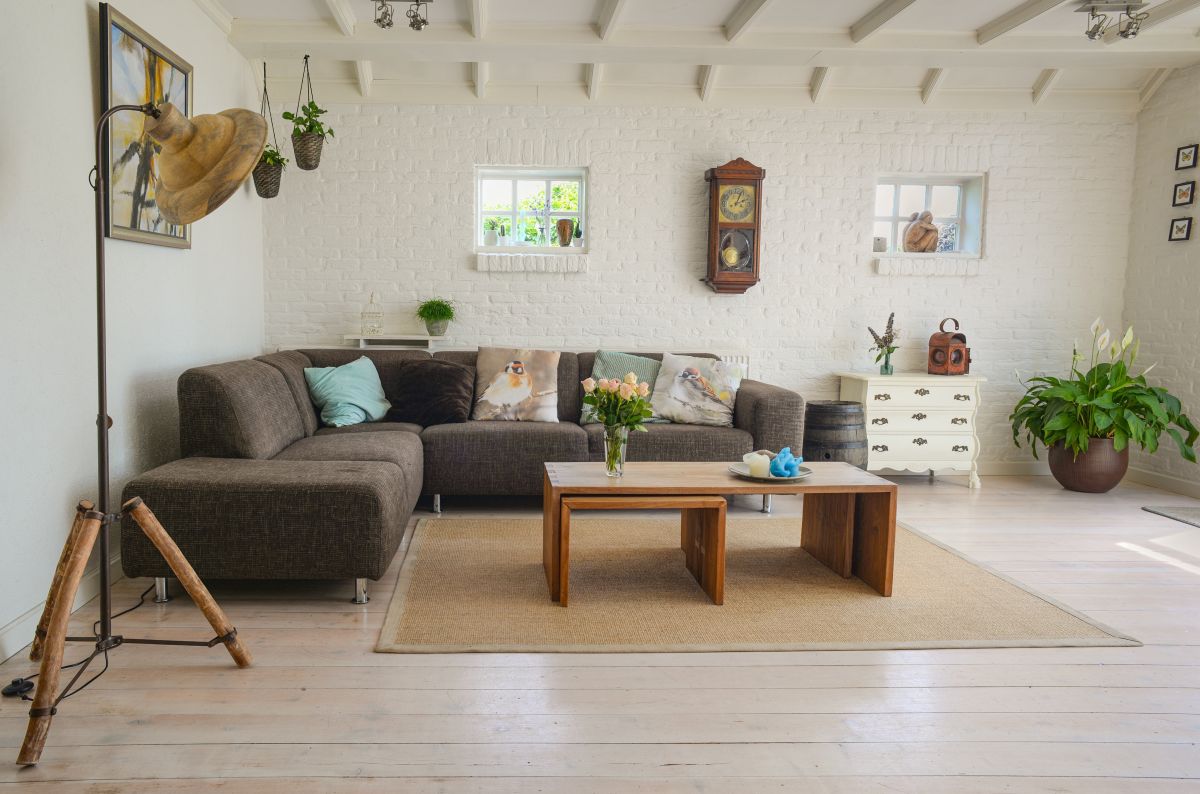
A home can be well furnished and still feel cold. The cause is often not the sofa or decor itself, but how light, texture, layout and personal details work together. Small adjustments can change the mood without replacing everything.
Inviting spaces make everyday life easier. They offer a clear place to sit, enough light to relax, soft surfaces that balance harder finishes and personal details that make the room feel lived in. Before buying more decor, look at how the room works when someone enters and settles down.
Start With Softer, Layered Lighting
A room lit only by a bright ceiling fixture can feel flat. Layered lighting creates smaller pockets of warmth. A floor lamp beside a sofa, a table lamp near a reading chair or a wall light above a sideboard can make the room feel calmer at night.
Natural light matters during the day, so avoid blocking useful daylight. After sunset, focus on the places people use. If someone wants to read on the sofa but the only light comes from the ceiling, the room may look bright while still feeling uncomfortable.
Arrange Furniture Around People, Not Walls
Furniture placement affects how easily people can talk, walk and use the room. Pushing every piece against a wall may create open floor space, but it can also leave seating too far apart and make the centre feel empty.
Where the layout allows, pull chairs and sofas slightly inward. Keep a clear route between doors and seating areas, and avoid tables that force people to sidestep them. Guests should be able to see where to sit without working out how the room functions.
Add Softness to Hard Surfaces
Timber floors, tiles, stone, glass and large painted walls give a room structure, but too many hard surfaces can make it feel sharp or echoey. Curtains, cushions, throws and upholstered pieces help balance that effect while adding comfort.
The floor matters because it connects furniture visually. A well-sized rug can define a seating area, soften footsteps and make separate pieces feel like one arrangement. If you are comparing materials for a warmer look, it helps to see what suppliers of natural rugs Australia wide are stocking, since fibres such as wool and jute sit differently against timber floors and neutral upholstery.
Bring in Something Living
Plants and fresh foliage can soften corners that feel empty or overly structured. Their irregular shapes work well in rooms dominated by straight furniture lines, plain walls or hard materials.
More is not always better. One healthy plant beside a window, a small vase on a dining table or a trailing plant on a shelf may be enough. Choose a position that suits the plant’s light needs, because a struggling plant quickly has the opposite effect.
Remove Visual Noise Without Removing Personality
A crowded coffee table or shelf can make a room feel restless, but removing every object can leave it looking staged. The better approach is to give meaningful pieces enough space to be noticed.
Start with surfaces that collect everyday clutter. Put away what does not need to stay on display, then keep the books, photographs, ceramics or artwork that matter to you. A family photo, a well-used book or a favourite object can feel more personal than matching accessories chosen only to fill space.
Repeat Details Instead of Matching Everything
A room does not need a matching furniture set to feel coordinated. Repeating a few details creates a relaxed result because the pieces feel connected without looking identical.
Look for one or two elements you can echo, such as a warm timber tone, soft green, black metal finish or rounded shape. A timber side table may relate to a picture frame across the room, while a cushion can pick up a colour from nearby artwork. These links create cohesion without making the space feel overly planned.
Think About Comfort at Three Levels
If a room still feels incomplete, look at it at three levels: underfoot, body level and eye level. This simple check can reveal why one area feels bare even when the room contains enough furniture.
Underfoot, consider whether the floor anchors the main activity area. At body level, check seating comfort and whether people can reach what they need. At eye level, notice artwork, lamps, plants, shelving and empty wall space. When all the visual interest sits at one height, the room can feel unbalanced.
Design for Everyday Life
Welcoming interiors support ordinary routines rather than looking perfect only in photographs. Someone sitting on the sofa should have a place for a drink. A reading chair works better with a nearby lamp. Throws are more useful within reach than folded away for display.
Walk through the room as if you were using it on a normal evening. Notice whether a chair blocks a path, a lamp is awkward to switch on or everyday items have nowhere to go. Small practical fixes often improve comfort more than another decorative purchase.
A welcoming home comes from several thoughtful choices working together. Softer lighting, a clearer layout, balanced textures, natural elements and personal details can make a room calmer and easier to use. The goal is not to make every corner look styled. It is to create a space where people can settle in and feel comfortable.