

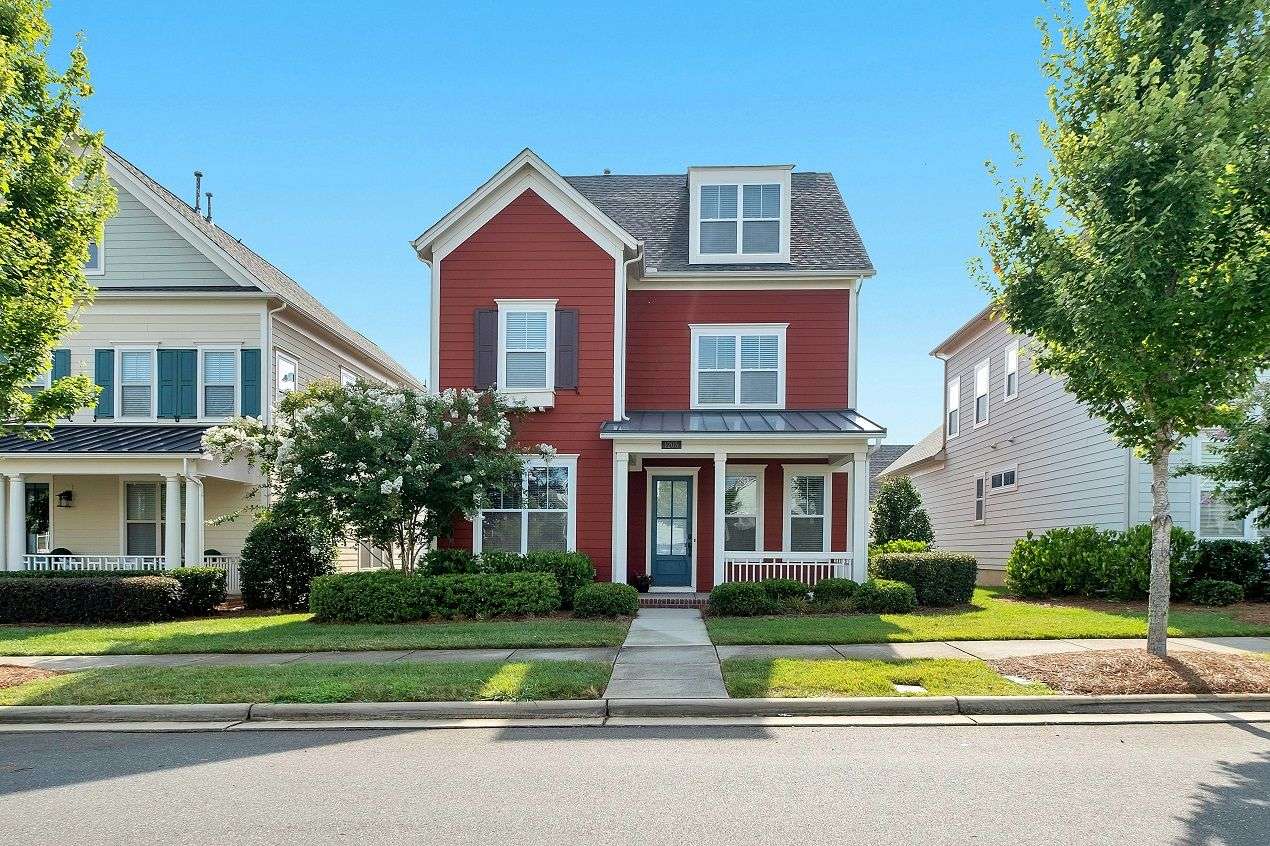
Owning a rental property in Australia is a popular avenue for building wealth, but it requires far more than just finding a tenant and collecting rent. A well-maintained home attracts reliable tenants and commands higher rental yields, making upkeep a crucial pillar of property investment. Australian Taxation Office data reveals that over two million investment properties annually claim tax deductions specifically for repairs and maintenance. This highlights the sheer scale of upkeep required to keep a property in peak condition. For landlords, the choice is simple: adopt a proactive maintenance strategy or face the expensive consequences of reactive, emergency repairs.
Navigating these continuous demands can quickly overwhelm an unprepared investor. Out-of-town owners, in particular, often struggle to coordinate reliable tradespeople for routine checks or sudden emergencies. This is why many successful investors recognise that engaging the best property manager in Newcastle NSW is a strategic move to ensure routine maintenance and urgent repairs are handled swiftly by trusted local contractors. A professional approach protects both the physical asset and the landlord’s peace of mind.
The Hidden Toll of Reactive Repairs
When a pipe bursts at two in the morning or a hot water system fails on a holiday weekend, the financial and emotional toll on a landlord is immediate. However, the indirect costs of deferred maintenance can be even more damaging to your overall investment returns. Research from BIS Oxford Economics indicates that lost rent and letting fees resulting from tenant turnover cost landlords between 1.7 and 3.6 per cent of the annual gross rent for a detached house. Tenants are far more likely to leave a property if minor repair requests are consistently ignored.
Furthermore, a recent report on justice outcomes in New South Wales noted that tens of thousands of tenancy dispute applications are finalised at local tribunals each year. Unresolved maintenance and repair disputes act as a primary catalyst for these conflicts, proving that avoiding these issues is essential for a harmonious landlord-tenant relationship.
Beyond the financial strain, the reality is that keeping a property pristine involves a significant hidden time cost of running a rental yourself. From fielding midnight maintenance calls to scheduling routine safety checks, the constant operational demands of managing tenant communications can quickly turn a passive investment into a highly stressful second job. Delegating these tasks helps investors reclaim their weekends and focus on portfolio growth.
Navigating Strict Legal and Safety Standards
Property maintenance is not just about preserving the aesthetic value of a home, as it is also a strict legal obligation. State legislations constantly evolve to ensure tenant safety and comfort. For instance, according to the NSW Government’s minimum standards for rental properties, landlords are legally required to meet seven specific standard categories, which include maintaining structural soundness, adequate ventilation, and safe plumbing connections.
Understanding these complex regulations can be daunting, especially with rigid timelines for safety compliance. Landlords in NSW, for example, have just two business days to repair or replace a faulty smoke alarm after being notified. Failing to adhere to these tight turnaround times can result in substantial fines and potential legal liabilities that far outweigh the cost of a routine service call.
A professional property management agency typically charges between seven and ten per cent of a property’s annual rental income. This covers crucial services like tenant screening, rent collection, and ensuring all repairs are completed to a professional standard. Ultimately, this fee serves as a valuable safeguard for your asset, ensuring all maintenance work complies with ever-changing legislative frameworks.
Essential Proactive Maintenance Strategies
To avoid catastrophic failures and expensive emergency call-out fees, property experts advise Australian landlords to budget a minimum of one per cent of your property’s total value annually for maintenance. For a $750,000 home, this equates to setting aside at least $7,500 a year for essential upkeep.
Implementing a scheduled maintenance plan is the most effective way to safeguard your investment. Key areas to focus on include:
- Annual plumbing and hot water servicing: Routine checks can prevent burst pipes and structural water damage. Upgrading outdated fixtures also helps a rental meet strict state water efficiency compliance, such as the minimum 3-star WELS rating required to charge tenants for water usage in NSW.
- Roof and gutter inspections: Clearing debris and checking for cracked tiles before the storm season prevents costly interior leaks. For properties in a strata scheme, owners corporations hold a strict liability duty to maintain common areas, meaning individual landlords must stay engaged with strata management to ensure external building issues are resolved.
- Smoke alarm compliance: Landlords must conduct mandatory annual smoke alarm checks to ensure all devices comply with Australian Standard AS 3786.
- Record keeping for insurance: Landlord insurance providers increasingly require documented evidence of ongoing maintenance schedules. Failing to produce routine service records can result in denied claims if insurers determine the owner failed to exercise a reasonable duty of care.
Ultimately, proactive maintenance is an investment in your property’s long-term profitability. By staying ahead of repairs, you minimise extended vacancy periods, retain high-quality tenants, and protect your home’s capital value. Taking a structured approach to upkeep ensures your real estate portfolio remains a reliable and stress-free source of income for years to come.