


Understanding Heating and Cooling Demands in Severe Climates
Minnesota’s geographic location places it firmly within ASHRAE Climate Zone 6, a designation that signals some of the most extreme temperature fluctuations in the contiguous United States. This climate presents unique and formidable challenges for any home’s heating, ventilation, and air conditioning (HVAC) system. The state sees prolonged periods of sub-zero temperatures, often dipping to -20°F or colder for days or even weeks during winter. At the same time, summers bring significant humidity and temperatures that frequently climb into the 90s, demanding robust cooling capacity.
These dramatic temperature swings mean that an HVAC system in Minnesota must be incredibly versatile and resilient. The heating load, the amount of heat required to maintain a comfortable indoor temperature, is exceptionally high for much of the year. Conversely, the cooling capacity must be sufficient not only to lower air temperature but also to effectively manage the high levels of moisture in the air, preventing discomfort and potential mold growth. This constant battle against the elements places considerable stress on HVAC equipment, leading to increased wear and tear compared to systems in milder climates. Building envelopes, too, are under perpetual assault, making proper insulation and air sealing critical components of overall HVAC performance.
Core Equipment Options for Year-Round Comfort
When considering the optimal HVAC setup for Minnesota, homeowners must weigh several factors: the system’s longevity, its operational costs over time, and the initial upfront investment. The goal is to find a balance that provides reliable comfort through all seasons while maximizing energy efficiency. Modern HVAC technology offers several compelling options, each with distinct advantages for this challenging climate.
Here’s a conceptual comparison of key performance metrics for common HVAC systems:
| System Type | Efficiency Metric (Heating) | Efficiency Metric (Cooling) | Operational Cost (Conceptual) | System Longevity (Years) |
|---|---|---|---|---|
| High-Efficiency Furnace | High AFUE (90-98%) | N/A | Moderate | 15-20 |
| Standard Central AC | N/A | Moderate SEER2 | Moderate | 10-15 |
| Cold-Climate Heat Pump (Single) | High HSPF | High SEER2 | Low-Moderate | 10-15 |
| Dual-Fuel System | High AFUE / High HSPF | High SEER2 | Low | 15-20 (Furnace) / 10-15 (HP) |
Efficient Heating and Cooling with Dual-Fuel Heat Pumps
For many Minnesota homeowners, dual-fuel heating and cooling systems, which combine a cold-climate heat pump with a high-efficiency natural gas or propane furnace, represent the best of both worlds. Cold-climate heat pumps are a technological marvel, capable of extracting heat from outdoor air even when temperatures plummet. Thanks to advancements like inverter compressors, these units can operate efficiently in temperatures as low as -15°F or even lower, providing significant energy savings compared to traditional electric resistance heating.
The beauty of a dual-fuel configuration lies in its intelligent operation. During milder winter days, the heat pump handles the heating load with remarkable efficiency, consuming less electricity. When temperatures drop below a pre-set threshold, typically between 0°F and 15°F depending on the specific model and home characteristics, the system automatically switches to the furnace, which can provide robust, consistent heat even in Minnesota’s most severe sub-zero conditions. This hybrid approach ensures comfort and reliability regardless of the outside temperature. In fact, hybrid systems can reduce electricity consumption for heating by 50% or more compared to electric resistance heating systems, making them an attractive option for both comfort and energy bills. Furthermore, the federal 25C tax credit that previously covered 30% of the cost, up to $2,000, for cold-climate heat pumps expired on December 31, 2025, so as of September 2026 the savings come from utility rebates rather than a federal credit.
High-Efficiency Natural Gas Furnaces and Air Conditioners
While heat pumps are gaining popularity, high-efficiency natural gas furnaces remain a cornerstone of heating in Minnesota homes. Modern condensing furnaces boast impressive Annual Fuel Utilization Efficiency (AFUE) ratings, typically ranging from 90% to 98%. This means that 90 to 98 cents of every dollar spent on natural gas is converted into usable heat for your home, a significant improvement over older, less efficient models. Features like multi-stage or variable-speed blowers further enhance comfort by distributing heat more evenly and quietly, preventing uncomfortable temperature swings. Upgrading from an older 80% AFUE furnace to a 96%+ AFUE model can offer a payback period of just 4 to 7 years through annual savings on heating costs.
For cooling, a high-efficiency central air conditioner paired with a furnace provides reliable relief during the humid summers. When selecting an AC unit, look for high Seasonal Energy Efficiency Ratio 2 (SEER2) ratings, which indicate how efficiently the system converts electricity into cooling. As of 2026, the HVAC industry is also transitioning away from older refrigerants like R-410A to more environmentally friendly options such as R-454B or R-32. When investing in a new AC unit, ensuring it uses the latest refrigerant standard is a forward-thinking choice that aligns with evolving environmental regulations and ensures long-term serviceability.
Essential Seasonal Maintenance and System Tune-Ups
Regardless of the sophisticated HVAC setup you choose, its performance and longevity in Minnesota’s harsh climate hinge significantly on consistent, proactive maintenance. Preventative maintenance is not merely about preventing emergency breakdowns; it’s about safeguarding your investment, ensuring optimal energy efficiency, and maintaining your system’s warranty compliance. Neglecting routine care can lead to airflow restrictions, premature wear and tear, and a higher likelihood of costly repairs. For comprehensive insights into maintaining your system and ensuring its peak performance, consulting with reputable providers of expert HVAC services can provide invaluable guidance.
DIY Heating and Cooling Upkeep Between Service Visits
While professional tune-ups are indispensable, there are several straightforward DIY tasks homeowners can perform to keep their systems running smoothly between service appointments.
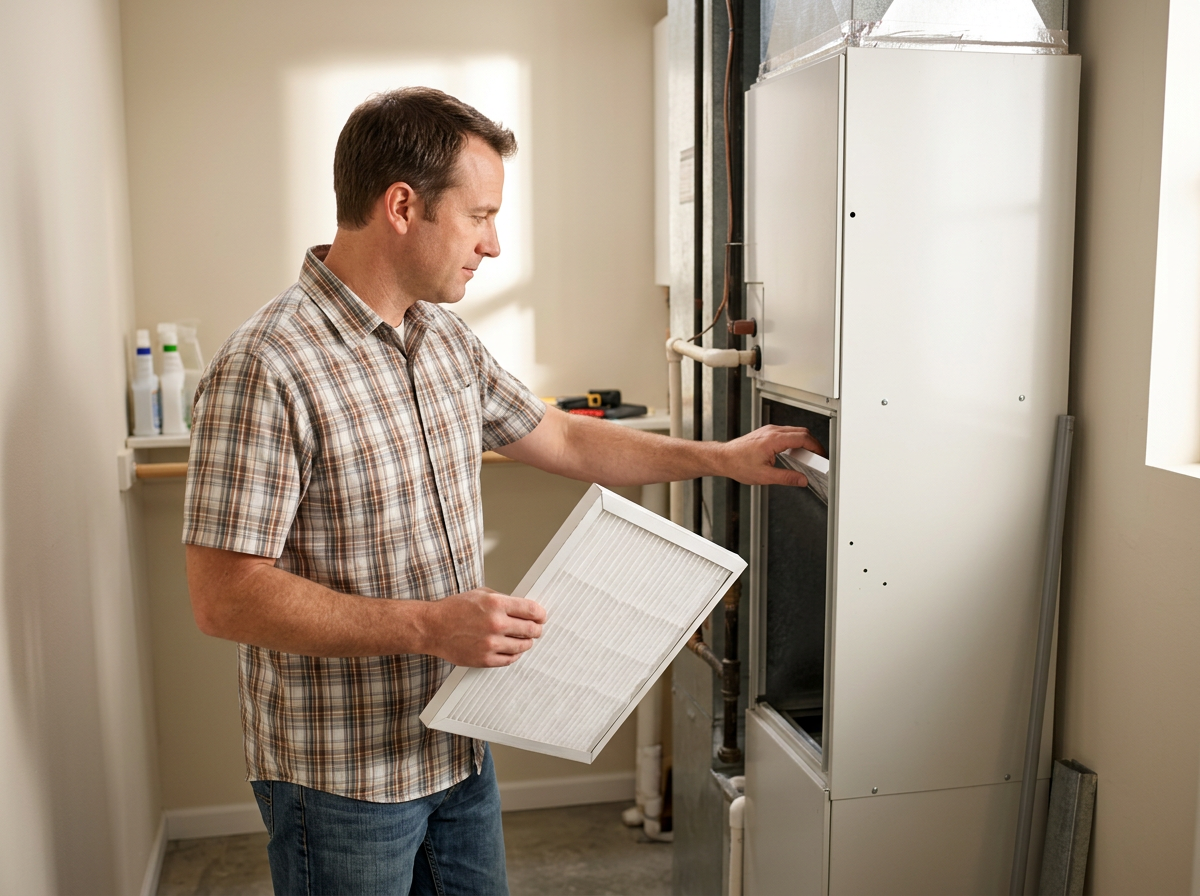
- Air Filter Replacement: This is perhaps the most critical and easiest maintenance task. Check your air filter monthly and replace it every 1-3 months, or more frequently if you have pets, allergies, or during periods of high HVAC usage. High-efficiency pleated filters with a MERV (Minimum Efficiency Reporting Value) rating between 8 and 13 are generally ideal for balancing air quality and airflow.
- Clear Condensate Drain Lines: During summer, your AC produces condensation. Ensure the condensate drain line is clear of obstructions to prevent water damage and potential system shutdowns.
- Maintain Clear Registers: Ensure all supply and return air registers inside your home are unobstructed by furniture, rugs, or drapes. Restricted airflow forces your system to work harder, reducing efficiency.
- Remove Debris from Outdoor Unit: The outdoor condenser unit (for ACs and heat pumps) needs clear airflow. Periodically remove leaves, grass clippings, and other debris from around the unit.
- Outdoor Coil Cleaning: Gently rinse the outdoor coil with a garden hose to remove dirt and grime that can impede heat transfer. Always turn off power to the unit before cleaning.
Professional Inspections and Pre-Season Checklist
For the more intricate aspects of HVAC care, professional inspections are essential. Schedule a tune-up for your furnace in the fall before the first freeze and for your air conditioner in the spring before summer temperatures arrive. These pre-season checks are crucial for ensuring your system is ready for the extreme demands of Minnesota weather.
Here’s an overview of essential tasks typically covered during professional HVAC inspections:
Furnace Pre-Freeze Checklist:
- Inspect and clean the heat exchanger for cracks or corrosion, which could lead to dangerous carbon monoxide leaks.
- Test for carbon monoxide leaks and ensure proper ventilation.
- Check and tighten all electrical connections.
- Lubricate moving parts like the blower motor.
- Inspect the flue system for blockages or damage.
- Test safety controls and thermostat operation.
- Clean burners and ignition assembly.
- Verify gas pressure.
AC Pre-Summer Checklist:
- Clean the outdoor condenser coil and indoor evaporator coil.
- Check refrigerant levels and inspect for leaks.
- Inspect and clean the condensate drain pan and line.
- Check electrical connections and ensure proper voltage.
- Lubricate moving parts.
- Verify thermostat accuracy and programming.
- Test system starting capabilities and cooling cycles.
- Measure airflow across the evaporator coil.
Optimizing Efficiency: Thermostats, Sizing, and Weatherization
Achieving peak HVAC performance in Minnesota extends beyond just the equipment itself. It involves a holistic approach that considers how your system interacts with your home’s structure and your daily habits. Proper system balance, preventing energy waste, and enhancing whole-home efficiency are paramount. This integrated strategy can also help homeowners take full advantage of various utility rebates, now that the federal 25C tax credit has expired.
Ideal Thermostat Settings for Summer and Winter
Your thermostat is the command center for your home’s comfort and energy use. Setting it optimally can lead to significant savings without sacrificing comfort.
For Minnesota winters, the U.S. Department of Energy recommends a baseline temperature of 68 degrees Fahrenheit when you are home and awake. This setting provides a good balance between comfort and energy conservation. During the summer, setting your AC to 78 degrees Fahrenheit is generally considered the most energy-efficient choice.
The real power of a thermostat, especially a smart or programmable one, comes from its ability to adjust temperatures automatically. Setting back your thermostat by 7-10 degrees Fahrenheit for at least eight hours a day, for instance while you are at work or sleeping, can save as much as 10% a year in heating and cooling costs. Zoning systems, which allow different areas of your home to be heated or cooled independently, can further enhance comfort and efficiency, especially in larger or multi-level homes.
Manual J Sizing, Ductwork, and Building Envelopes
One of the most critical aspects of HVAC efficiency is proper sizing. An oversized HVAC system will cycle on and off too frequently, leading to uneven temperatures, increased wear, and poor humidity control. An undersized system, conversely, will struggle to meet demand, running constantly and failing to provide adequate comfort. This is why a professional Manual J load calculation is indispensable. This detailed assessment considers your home’s square footage, insulation levels, window types, orientation, and local climate data to determine the precise heating and cooling capacity your home requires.
Beyond sizing, the integrity of your ductwork and building envelope plays a monumental role. Leaky ducts can lose a significant percentage of conditioned air before it ever reaches your living spaces. Duct sealing is a cost-effective way to improve efficiency. Similarly, addressing air leakage through cracks and gaps in your home’s structure, and ensuring adequate attic insulation, are foundational steps. Heating and cooling account for more than half of the average household’s energy use, so optimizing your home’s thermal envelope directly impacts your HVAC system’s workload and your energy bills. A professional home energy audit can identify specific areas for improvement, enhancing overall indoor air quality and comfort.
Frequently Asked Questions About HVAC Maintenance
How often should HVAC air filters be replaced?
The frequency of HVAC air filter replacement depends on several factors, including the type of filter, household occupants, and whether you have pets. For standard 1-inch fiberglass filters, replacement every 30 days is generally recommended. For higher-efficiency pleated media filters (MERV 8-13), replacement every 2-3 months is often sufficient. However, if you have pets, residents with allergies or respiratory issues, or if your system runs almost continuously during peak seasons, checking and potentially replacing filters monthly is a good practice. Regular replacement is crucial for maintaining good indoor air quality and preventing strain on your HVAC system.
Can a cold-climate heat pump handle extreme sub-zero weather?
Yes, modern cold-climate heat pumps are engineered to perform remarkably well in extreme cold. Thanks to variable-capacity technology and enhanced refrigerants, many models can operate efficiently in temperatures as low as -15°F or even lower. Below this threshold, their efficiency may decrease, or they may struggle to meet the full heating demand. This is precisely why a dual-fuel setup, combining a cold-climate heat pump with a traditional furnace, is often recommended for Minnesota. The furnace acts as an auxiliary heat source, seamlessly taking over when temperatures drop to the most extreme sub-zero levels, ensuring consistent comfort and system reliability.
What financial rebates or tax credits are available for HVAC upgrades?
As of September 2026, the federal Section 25C tax credit has expired. The One Big Beautiful Bill Act, signed in July 2025, ended the credit for systems placed in service after December 31, 2025, so heat pumps installed in 2026 no longer qualify; a system finished by the end of 2025 can still be claimed on the 2025 tax return. In Minnesota, the savings that remain come from utility conservation programs run by providers like Xcel Energy, CenterPoint Energy, and Minnesota Energy Resources, along with the state Weatherization Assistance Program. The IRA-funded HEAR and HOMES rebates, administered by the Minnesota Department of Commerce, had not launched as of mid-2026 and are still awaiting federal approval, so check the Commerce and utility program pages for current amounts before planning your HVAC investment.
Conclusion
Navigating Minnesota’s extreme weather demands a thoughtful and strategic approach to your home’s HVAC system. By understanding the unique challenges this climate presents, exploring advanced equipment options like dual-fuel heat pumps and high-efficiency furnaces, and committing to essential seasonal maintenance, you can ensure your home remains a haven of comfort and efficiency year-round. Prioritizing proper sizing, optimizing thermostat settings, and enhancing your home’s insulation and air sealing further contribute to system reliability and long-term savings. Embracing proactive upgrades and regular maintenance is not just about keeping warm in winter or cool in summer; it’s about investing in the enduring comfort, health, and value of your Minnesota home.