

Essential Components of an Efficient Residential Climate System
Homeowners often face the challenge of maintaining a comfortable indoor environment without incurring excessive energy costs. High utility bills and inconsistent temperatures are common frustrations, especially when heating and cooling systems work overtime. Addressing these issues effectively requires a comprehensive approach, including reliable heating and air conditioning services and proper thermal management. In Oxnard, CA, finding an expert attic insulation company is a critical step toward achieving lasting home comfort and energy efficiency. We understand the unique climate challenges and the importance of a well-insulated home to support your HVAC system year-round.
This extensive guide will delve into the many benefits of robust attic insulation, such as significant energy savings and enhanced indoor air quality. We will explore the signs that indicate your home might need new insulation and discuss various types of insulation materials suitable for Oxnard’s climate. Furthermore, we’ll provide essential questions to ask potential contractors and highlight how professional installation contributes to a healthier, more cost-efficient living space. Our aim is to equip you with the knowledge needed to make informed decisions for your home’s thermal comfort.
Achieving optimal indoor comfort and energy efficiency in your Oxnard home relies on a harmonious interplay of several critical components. These include the efficiency of your HVAC system, the integrity of your ductwork, the effectiveness of your home’s thermal envelope (especially the attic), and balanced air distribution. Each element contributes significantly to temperature regulation and overall comfort. When these components work together seamlessly, they create a comfortable living environment while minimizing energy waste. For homeowners seeking to optimize their home’s climate control, understanding these interconnected systems is paramount.
Assessing Energy Efficiency in Home Heating and Air Conditioning
Evaluating the energy efficiency of your home’s heating and air conditioning systems goes beyond simply looking at your utility bills. It involves a detailed assessment of various factors that influence how much energy your home consumes. For HVAC units, key metrics include SEER2 ratings (Seasonal Energy Efficiency Ratio 2) for cooling and AFUE (Annual Fuel Utilization Efficiency) for heating. These ratings provide an indication of a system’s potential efficiency under specific conditions.
However, a system’s rating is only one piece of the puzzle. Thermal load calculations, which determine the amount of heating and cooling your home needs, are crucial for ensuring your system is appropriately sized. An oversized or undersized unit can lead to inefficiencies and discomfort. Advanced diagnostic tools like blower door testing help identify air leaks throughout your home, revealing where conditioned air might be escaping. Infrared diagnostics can pinpoint areas of insufficient insulation or thermal bridging, offering a visual representation of heat loss or gain. By combining these assessments, we can gain a comprehensive understanding of your home’s energy performance and identify opportunities for significant improvement.
Ductwork Sealing and Airflow Balance
The ductwork in your home acts as the circulatory system for your conditioned air, distributing heated or cooled air from your HVAC unit to various rooms. However, even the most efficient HVAC system can be undermined by leaky or poorly designed ductwork. Duct leakage can lead to significant energy loss, as conditioned air escapes into unconditioned spaces like attics or crawl spaces. This not only wastes energy but also reduces the amount of conditioned air reaching your living areas, forcing your HVAC system to work harder and longer.
Proper ductwork sealing is essential to prevent this energy waste. Techniques such as mastic sealant and specialized tapes can effectively seal leaks and gaps, ensuring that air travels efficiently to its intended destination. Beyond sealing, achieving proper airflow balance is crucial. This involves ensuring that each room receives the appropriate amount of conditioned air, preventing hot or cold spots. Static pressure measurements help identify restrictions or imbalances within the duct system. Well-sealed and balanced ductwork also acts as an acoustic barrier, reducing noise transfer from the HVAC unit and within the home. By addressing duct integrity, we can significantly prevent energy loss, improve comfort, and extend the lifespan of your HVAC system.
Evaluating Home Heating and Air Conditioning Contractors
Choosing the right professional for your home’s HVAC and insulation needs is a decision that impacts your comfort, energy bills, and peace of mind for years to come. In Oxnard, CA, partner with contractors who demonstrate expertise, reliability, and a commitment to quality service. We recommend a thorough vetting process to ensure you’re making an informed choice.
Key qualifications to look for include proper contractor licensing, such as a C-20 classification for HVAC work in California, which indicates specialized expertise. Liability insurance is non-negotiable, protecting you from unforeseen circumstances during the project. Transparent pricing, with detailed estimates and no hidden fees, builds trust. Additionally, inquire about technician certifications, such as NATE (North American Technician Excellence), which signify a high level of training and competence. Finally, understand the project warranties offered on both labor and materials, as this reflects a contractor’s confidence in their work.
Here is a list of vetting questions we suggest asking any potential HVAC or insulation installer:
- Will you address air leaks in my house as part of the insulation process? Proper air sealing is crucial for insulation effectiveness.
- Can you provide an R-value (heat resistance) fact sheet for the insulation materials you recommend? This helps us understand the thermal performance.
- What kind of insulation will work best for my home’s specific structure and our local Oxnard climate? A tailored solution is always best.
- How do you handle signs of a water leak or moisture issues discovered during the inspection or installation? This is critical for preventing mold and structural damage.
- Are you licensed and insured to perform work in Oxnard, CA? Can you provide proof of both? Verify their credentials for your protection.
- Can you provide customer references or examples of similar projects you’ve completed in the Ventura County area? Hearing from past clients offers valuable insight.
- What is your process for ensuring the work area is clean and tidy after installation? Professionalism includes respecting your home.
- Do you offer any warranties on your labor or the insulation materials you install? This provides assurance for the long term.
Industry Experience and Field Diagnostics
A reputable contractor brings not only certifications but also extensive industry experience and a commitment to thorough field diagnostics. When we evaluate your home, we don’t rely on guesswork. An on-site evaluation is the first step, where our professionals assess your current insulation, HVAC system, and overall home structure. This includes visual inspections for damage, moisture, or pest infestations.
Advanced diagnostic tools are integral to this process. Airflow metering helps us understand how air moves (or doesn’t move) through your home, identifying areas of inefficiency. Diagnostic imaging, such as thermal cameras, allows us to visualize heat loss or gain, revealing hidden issues within walls or attics that might not be apparent to the naked eye. A mechanical assessment of your existing HVAC system ensures it’s operating correctly and efficiently. Finally, accurate load calculation standards are applied to determine the precise heating and cooling requirements for your home, preventing the installation of an improperly sized system. This meticulous approach ensures that any recommended solutions are truly tailored to your home’s unique needs, leading to optimal performance and lasting comfort.
Modern Smart Controls for Home Heating and Air Conditioning
In today’s technologically advanced homes, modern smart controls have revolutionized how we manage our indoor climate. These innovative systems offer homeowners unprecedented control, efficiency, and convenience for their heating and air conditioning. Smart thermostats, for instance, learn your preferences, adapt to your schedule, and can be controlled remotely via smartphone apps, allowing you to adjust temperatures even when you’re away from home. This intelligent scheduling helps conserve energy by only heating or cooling when necessary.
Multi-zone controls take this a step further by allowing different areas of your home to be set to different temperatures, catering to individual comfort preferences and reducing energy waste in unoccupied rooms. Variable-speed motors in modern HVAC systems can adjust their output to precisely match your home’s heating or cooling needs, running at lower speeds for longer durations, which leads to quieter operation, more consistent temperatures, and enhanced energy efficiency. Energy monitoring features provide real-time data on your consumption, empowering you to make informed decisions about your energy usage. By integrating these smart controls, we can achieve climate optimization, ensuring your Oxnard home is always comfortable while simultaneously lowering your environmental footprint and utility expenses.
The Critical Role of Attic Insulation and Thermal Barriers
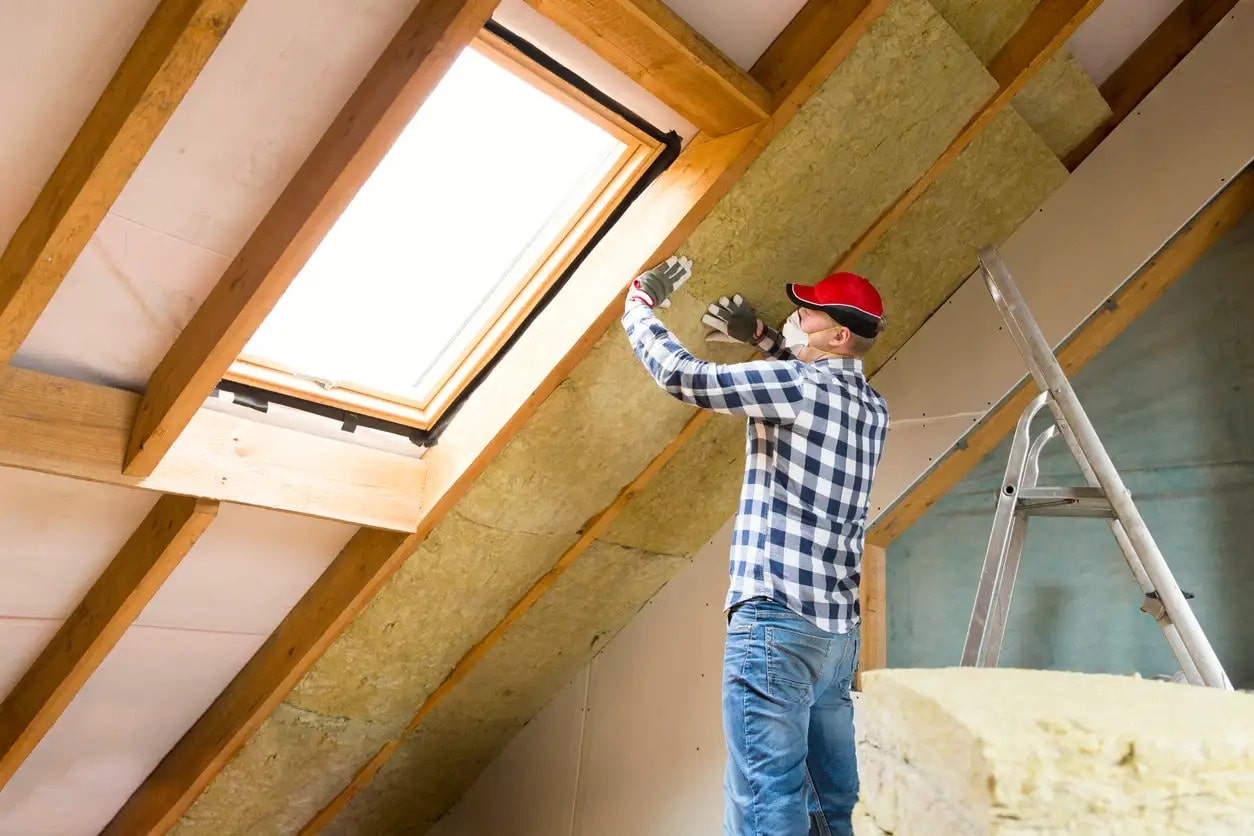
The attic often acts as the primary gateway for heat transfer in and out of your home, making its insulation a critical component of your home’s thermal envelope. In Oxnard, CA, where coastal influences meet warmer inland temperatures, effective attic insulation and thermal barriers are paramount for maintaining consistent indoor comfort and energy efficiency throughout the year. A well-insulated attic creates a robust thermal boundary, significantly reducing heat gain during warm months and heat loss during cooler periods.
This thermal resistance is measured by R-value, indicating how well a material resists heat flow. Higher R-values mean better insulation performance. Proper insulation directly translates to energy conservation, as your HVAC system doesn’t have to work as hard to maintain desired temperatures. Radiant barriers, often installed in conjunction with insulation, are particularly beneficial in hot climates like Oxnard’s. They work by reflecting radiant heat away from the attic space, preventing it from penetrating into the living areas below. Adhering to climate zone standards, such as Oxnard’s Climate Zone 3 requirements (which typically call for R-38 to R-60 in attics), ensures your home is adequately protected against local weather conditions.
Insulation Materials and Thermal Resistance
Choosing the right insulation material is crucial for optimizing your home’s thermal performance. Each type offers distinct advantages in terms of R-value, application, and suitability for different areas of your home.
- Blown-in Cellulose: Made from recycled paper products, cellulose is an environmentally friendly option. It offers an excellent R-value (around R-3.7 to R-3.8 per inch) and conforms well to irregular spaces, effectively sealing small gaps and crevices. It also provides good sound dampening properties and is generally considered a cost-effective solution for attics and wall cavities.
- Spray Foam Insulation: Available in open-cell and closed-cell varieties, spray foam offers superior air sealing capabilities, creating an effective barrier against air leakage. Open-cell foam has an R-value of about R-3.7 per inch, while closed-cell foam boasts a higher R-value of around R-6.2 per inch, along with added structural rigidity. It’s a premium option known for its long-term performance and moisture resistance, making it ideal for challenging areas like crawl spaces and rim joists.
- Fiberglass Batts: A common and widely used insulation, fiberglass batts are made from spun glass fibers. Standard batts typically have R-values between R-2.9 and R-3.8 per inch. They are relatively easy to install in standard-sized cavities like wall studs and joists. High-performance fiberglass batts can achieve R-values up to R-4.3 per inch. While effective, they require precise cutting and fitting to avoid gaps that can compromise performance.
- Mineral Wool Insulation: Composed of rock or slag fibers, mineral wool offers excellent thermal, acoustical, and fire-resistant properties. Its R-value is comparable to fiberglass, ranging from R-3.0 to R-3.3 per inch. It’s particularly valued for its fire resistance and ability to repel water, making it a good choice for areas where moisture or fire safety is a concern.
- Radiant Barrier: While not a traditional insulation material in terms of R-value, radiant barriers are highly effective in reflecting radiant heat. They are often installed in attics, particularly in warm climates, to reduce heat gain from the sun. They work by reflecting up to 90% of the radiant heat that strikes their surface, keeping the attic cooler and reducing the load on the HVAC system.
- Foam Board (Rigid Board Insulation): These panels, made from materials like polystyrene or polyisocyanurate, offer high R-values per inch (R-4 to R-6.5) and are dense, providing excellent thermal resistance. They are often used for insulating exterior walls, foundations, and cathedral ceilings where space is limited.
The “best” insulation for your Oxnard home depends on various factors, including your budget, the specific area being insulated (attic, walls, crawl space), existing structural conditions, and your desired R-value. Our experts can help you assess these factors to recommend the most appropriate and effective solution.
Maintaining Balanced Loads for Home Heating and Air Conditioning
Beyond simply installing insulation, maintaining balanced loads for your home’s heating and air conditioning system requires attention to attic ventilation. Proper attic ventilation works in tandem with insulation to create an efficient thermal system. Its primary purposes are to promote continuous airflow and to reduce moisture inside your attic. This dual function is crucial for increasing the effectiveness and longevity of your insulation system, ensuring your attic remains dry and at a more stable temperature.
An essential concept is the “net free area” of ventilation, which refers to the total unobstructed area through which air can enter and exit the attic. Adequate passive airflow helps prevent heat buildup in the summer, allowing superheated air to escape, and reduces moisture accumulation in the winter, which can lead to condensation, mold, and damage to insulation and structural components.
It’s also important to avoid “over-insulation,” a scenario where excessive insulation inadvertently blocks ventilation pathways, especially at the eaves. This can trap heat and moisture, negating the benefits of the insulation. Installing vapor retarders in appropriate locations helps control moisture migration into the attic. By ensuring proper ventilation, we not only protect your insulation and home structure but also reduce the strain on your HVAC equipment, leading to less frequent repairs and a longer operational lifespan.
Frequently Asked Questions About Home Climate Systems
Homeowners often have questions about how various components of their home’s climate system interact and what they can do to optimize performance. Here, we address some of the most common inquiries.
How does proper attic insulation affect home HVAC performance?
Proper attic insulation is one of the most impactful upgrades you can make to improve your home’s HVAC performance. The attic is typically the largest area of heat transfer in a home. Without adequate insulation, heat easily penetrates your living space in the summer, and escapes in the winter. This forces your HVAC system to work overtime, leading to increased equipment strain and higher energy consumption.
A well-insulated attic creates a strong thermal boundary between your conditioned living space and the unconditioned attic. This significantly reduces heat transfer, meaning less heat enters in the summer and less heat escapes in the winter. The result is a more stable indoor temperature, allowing your HVAC system to cycle less frequently and operate more efficiently. This directly translates to substantial energy savings and noticeable utility bill reductions every month. According to the US Department of Energy, more than 55% of the energy used in a home is spent on heating and cooling, and homeowners can save up to 20% on energy costs by insulating their homes.
What are the main signs that a home climate system requires maintenance?
Recognizing the signs that your home climate system needs attention can prevent minor issues from escalating into costly repairs. We often observe several key indicators that suggest your HVAC system or overall thermal envelope requires maintenance or upgrades:
- Temperature Swings: If different rooms in your home have wildly varying temperatures, or if your home struggles to maintain a consistent temperature, it’s a strong sign of inefficiency.
- High Humidity: Excessive humidity indoors, even with the AC running, can indicate issues with your cooling system’s ability to dehumidify or problems with air sealing.
- Rising Utility Costs: A sudden or gradual increase in your heating and cooling bills without a corresponding change in usage or external temperatures is a clear red flag.
- Weak Airflow: If air barely trickles out of your vents, it could point to issues with your ductwork, a clogged filter, or a problem with the blower motor.
- Odd Noises: Unusual sounds coming from your HVAC unit, such as grinding, squealing, banging, or hissing, are often indicators of mechanical problems.
- Excessive Dust: A dusty home might suggest issues with your air filtration or leaky ductwork pulling in unfiltered air.
- Visible Damage to Insulation: If you can see insulation that is wet, compressed, or infested with pests, it’s a sign it needs replacement.
Addressing these signs promptly can improve comfort, save energy, and extend the lifespan of your equipment.
How do air leaks impact indoor temperature control?
Air leaks are silent energy thieves that significantly impact your home’s indoor temperature control and overall energy efficiency. These leaks, often found around windows, doors, electrical outlets, plumbing penetrations, and especially in the attic, allow conditioned air to escape and unconditioned air to infiltrate your living space.
The primary consequence is conditioned air loss, meaning the heated or cooled air your HVAC system produces is wasted. This leads to pressure imbalances within your home, creating drafts that make rooms feel uncomfortable even when the thermostat is set appropriately. Your HVAC system is then forced to work harder and run longer to compensate for the lost air, leading to increased energy consumption and higher utility bills.
Beyond energy waste, air leaks can also contribute to pollutant infiltration, allowing dust, allergens, and moisture from outside or unconditioned areas (like attics and crawl spaces) to enter your home, negatively affecting indoor air quality. This constant battle against air leakage causes your HVAC system to cycle more frequently, putting undue stress on components and potentially shortening its lifespan. Sealing these leaks is a fundamental step in creating a truly energy-efficient and comfortable home.
Conclusion
In conclusion, optimizing your home’s thermal performance in Oxnard, CA, is a multifaceted endeavor that yields significant rewards. By understanding the critical interplay between your HVAC system, ductwork, and especially your attic insulation, you can make informed decisions that lead to lasting comfort and substantial energy savings. We’ve explored the benefits of robust insulation, identified key signs that indicate a need for upgrades, and highlighted the importance of choosing qualified professionals.
Investing in high-quality attic insulation and ensuring your home’s thermal envelope is sealed properly isn’t just about saving money on utility bills; it’s about creating a healthier, more consistent, and enjoyable living environment for your family. Federal tax credits and rebates may also be available, making these essential home improvements more accessible. By prioritizing regular maintenance, addressing air leaks, and upgrading your insulation, you contribute to the long-term reliability of your home’s climate system and embrace a more sustainable approach to comfort. We encourage you to take the next step toward a more energy-efficient and comfortable home by consulting with professionals who can assess your specific needs and guide you through the process.