

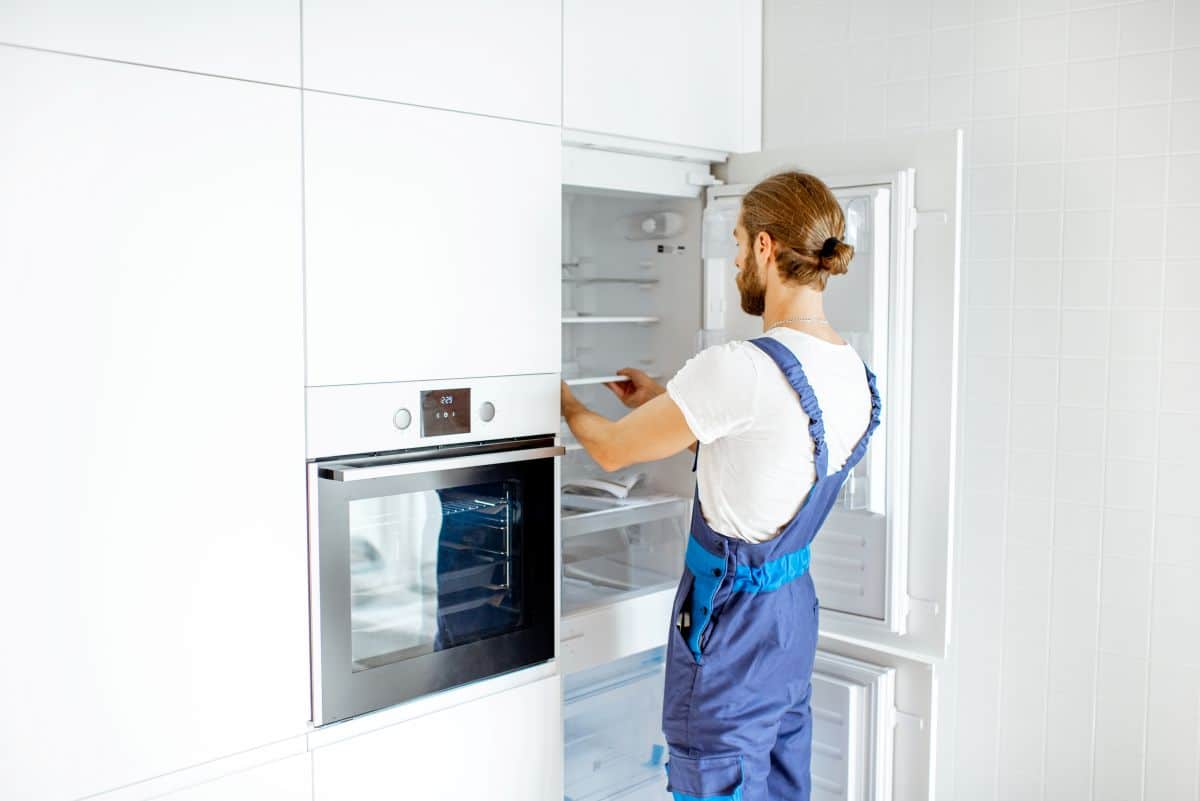
Your Sub-Zero refrigerator is a cornerstone of your kitchen. It represents a significant investment in your home’s functionality and luxury. When it runs perfectly, it keeps your food fresh and your household organized. However, even these high-end appliances can face issues over time.
When your Sub-Zero unit isn’t performing as expected, it can be frustrating. The good news is that many problems are fixable. Often, repairing your appliance is a far better choice than replacing it. This approach can save you money and extend the life of your valuable investment for many years to come.
In this detailed guide, we will walk you through everything you need to know about Sub-Zero refrigerator repair. We’ll cover common problems and how to spot them early. We will explain how to choose the right professional for the job. We will also share crucial maintenance tips to keep your appliance running smoothly. For specialized needs, such as complex refrigeration systems, understanding where to find expert repair maintenance and retrofits is key to ensuring optimal performance.
Sub-Zero appliances are renowned for their durability and advanced technology, but like any sophisticated machinery, they can develop issues. Recognizing these common problems early can save you significant time and expense.
Temperature Fluctuations and Cooling Failures
One of the most critical functions of a refrigerator is maintaining consistent temperatures. If you notice your Sub-Zero unit struggling to hold its set temperature, or if items in the refrigerator are spoiling faster than usual, it’s a clear sign that something is amiss. Temperature fluctuations often point to issues with the appliance’s internal components.
Common culprits include a failing thermistor, which is responsible for monitoring temperature and relaying information to the control board. If the thermistor provides inaccurate readings, the compressor may not cycle correctly, leading to temperature inconsistencies. Similarly, a malfunctioning control board, the “brain” of the appliance, can disrupt the entire cooling process.
Another frequent cause is a faulty evaporator fan. This fan circulates cold air throughout the refrigerator and freezer compartments. If it’s not working efficiently, you might find warm spots or uneven cooling. In some cases, a defrost heater issue can lead to excessive ice buildup on the evaporator coils, impeding airflow and cooling performance.
Modern Sub-Zero units are equipped with advanced diagnostics that can display error codes on the control panel. These codes are invaluable for early identification, as they often pinpoint the specific component that requires attention. Technicians can use these codes, along with specialized tools for sensor calibration, to accurately diagnose and resolve the underlying problem. Early detection means we can often address these issues before they escalate into more severe, costly repairs.
Sealed System Diagnostics and Sub-Zero Refrigerator Repair
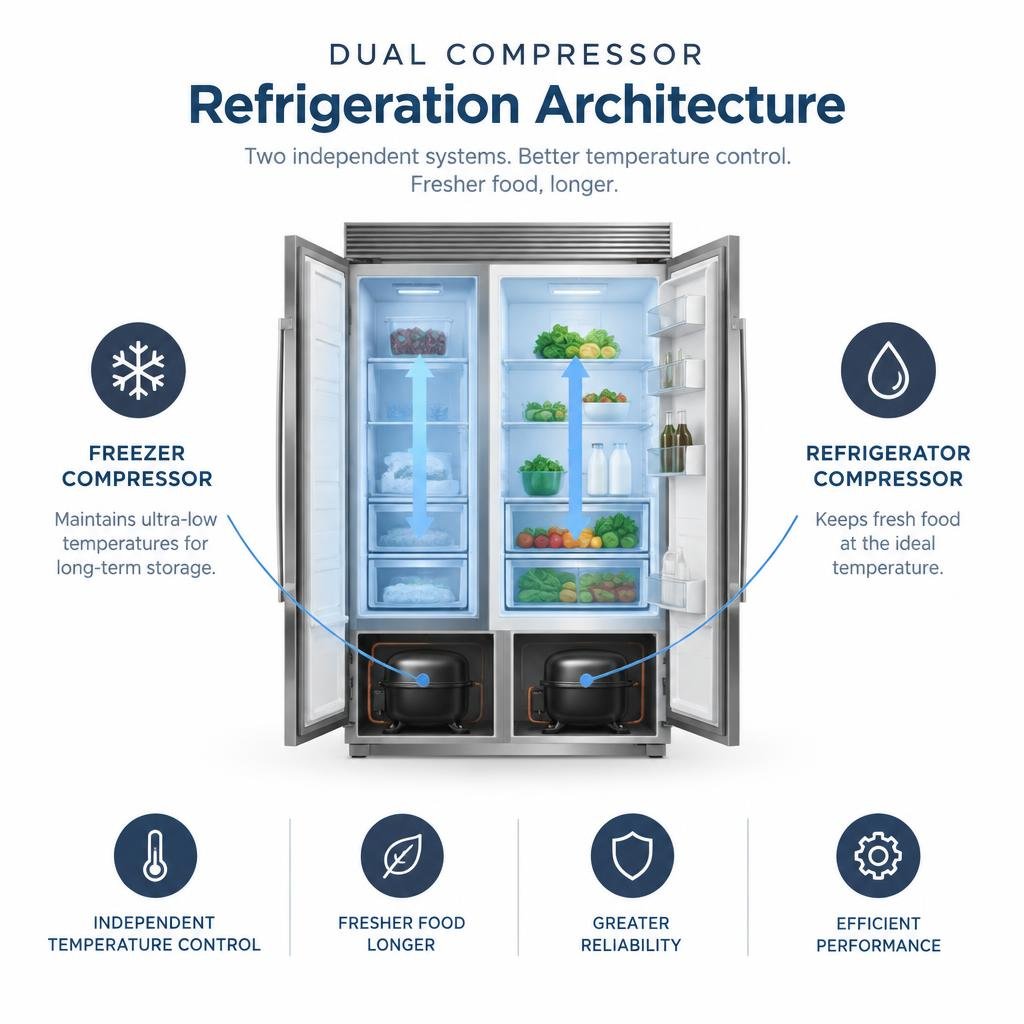
The sealed system is the heart of your Sub-Zero refrigerator, responsible for the actual cooling process. It consists of the compressor, evaporator coils, condenser coils, and refrigerant lines. Problems within this system are typically more complex and require specialized expertise.

A failing compressor is a significant issue that can manifest as the refrigerator running continuously without cooling, or making unusual buzzing or clicking noises. The compressor is what pumps the HFC-134a refrigerant (a common type used in residential freezers, though newer, lower-GWP alternatives are increasingly being adopted) through the system. If it fails, the cooling cycle breaks down entirely.
Leaks in the evaporator coils or other refrigerant lines are another serious concern. Even a small leak can cause the system to lose refrigerant, leading to a gradual or sudden loss of cooling. Identifying these leaks often requires specialized leak detection equipment and, once found, precise repair. Any work on the sealed system, especially involving refrigerant, requires an EPA-certified technician to ensure environmental safety and compliance with regulations. Repairing these issues often involves meticulous work on solder joints to seal leaks and then recharging the system with the correct amount of refrigerant. Given the complexity and specialized nature of these repairs, it’s crucial to rely on experienced professionals.
Ice Maker and Drainage Complications
Many Sub-Zero owners value the convenience of an integrated ice maker, but these systems can sometimes develop common problems. Issues often stem from the water supply or drainage. A clogged drain line is a frequent culprit, leading to water pooling at the bottom of the freezer or refrigerator compartment, or even leaking onto your kitchen floor. This happens when debris or ice obstructs the path for defrost water to exit the unit.
Problems with the ice mold, which forms the ice cubes, or the water valve, which controls the water flow into the ice maker, can result in no ice production, misshapen ice, or an overflowing ice bucket. Condensation pooling, particularly noticeable during humid seasons, can also be a symptom of a blocked drain or a compromised door seal. If left unaddressed, this can lead to excessive frost buildup in the freezer, further hindering performance and potentially causing damage to components. Regular inspection of the drain pan and ensuring it’s clear can prevent many of these issues.
Navigating Professional Sub-Zero Refrigerator Repair Options
When your high-end Sub-Zero appliance requires attention, choosing the right repair service is paramount. You generally have two main options: factory-authorized service providers or independent luxury appliance specialists. Understanding the distinctions between them will help you make an informed decision.
Factory-Certified vs. Independent Specialists
Both factory-certified service providers and independent specialists can offer excellent repair services for your Sub-Zero refrigerator, but they operate with different models and offer varying benefits.
Feature Factory-Authorized Service Independent Luxury Appliance Specialist Parts Exclusively uses genuine, factory-certified OEM parts. Typically uses genuine, factory-certified OEM parts; may have more flexibility in sourcing. Technician Training Technicians undergo specific, ongoing training directly from Sub-Zero. Technicians are highly experienced with luxury brands, often factory-trained initially or possess equivalent expertise.
Warranty Repairs are typically backed by the manufacturer’s warranty. Repairs are backed by the independent company’s warranty, which can vary. Dispatch Times Can sometimes have longer wait times due to high demand or scheduling protocols. Often offers faster response times, including same-day diagnostics, due to smaller operational scale. Diagnostic Fees May have a fixed diagnostic fee, which might or might not be waived upon repair. Often offers competitive or waived diagnostic fees if the repair proceeds, sometimes with upfront quotes. Cost Generally higher service rates due to overhead and strict adherence to manufacturer pricing. Can sometimes offer more competitive pricing for labor while maintaining quality.
Service Scope Primarily focused on Sub-Zero and affiliated brands (Wolf, Cove). Specializes in multiple high-end brands, offering broader expertise across a luxury kitchen. Factory-certified service providers are directly endorsed by Sub-Zero. Their technicians receive specific, ongoing training from the manufacturer, ensuring they are always up-to-date with the latest models and technologies.
They exclusively use genuine, factory-certified OEM (Original Equipment Manufacturer) parts, which guarantees compatibility and often comes with a manufacturer’s warranty on the part itself. This can provide peace of mind regarding the authenticity and quality of components used in your repair.
Independent luxury appliance specialists, on the other hand, often boast extensive experience with a range of high-end brands, including Sub-Zero. Many of their technicians may have received initial factory training or possess equivalent expertise gained over years of specialized work. A key advantage of independent specialists can be their flexibility and potentially faster dispatch times, sometimes offering same-day service. They also typically use genuine OEM parts, understanding that luxury appliances demand the highest quality components for optimal performance and longevity. While their repair warranty will be through their own company rather than the manufacturer, many reputable independent services offer robust guarantees on their work. When making your choice, consider factors like urgency, cost, and the specific expertise required for your appliance’s issue.
Warranty Coverage and Service Protocols
Understanding your Sub-Zero warranty is crucial before scheduling any repair. Sub-Zero appliances are known for their robust warranty periods, reflecting their commitment to quality and longevity. Typically, new Sub-Zero units come with a 2-year total product warranty, covering parts and labor for the entire appliance. Beyond this, there’s an impressive 5-year sealed system warranty, also covering parts and labor for the critical cooling components. For even longer-term peace of mind, a limited 6-12-year parts-only coverage often applies to the sealed system, varying slightly by model and year.
Before contacting service, it’s always helpful to locate your appliance’s serial tag. This tag, typically found near the top door hinge (its exact location varies by model type), provides vital information about your unit, including its model number and manufacturing date, which are essential for warranty verification and ordering correct parts.
When a technician arrives, especially for more complex issues, they will often engage the appliance’s diagnostic mode. This internal system allows them to retrieve fault codes, which are specific alphanumeric indicators that pinpoint problems within the electronic control system. These codes are invaluable for accurate troubleshooting, guiding the technician directly to the source of the issue without extensive guesswork. Understanding your warranty and having your model identification ready can streamline the service process significantly.
Estimating Costs for Sub-Zero Refrigerator Repair
The cost of Sub-Zero refrigerator repair can vary widely depending on the nature of the problem, the parts required, and the labor involved. Most service providers will charge a service call fee, which covers the technician’s visit, initial diagnosis, and sometimes travel. This fee is often a flat rate, and many companies will waive it if you proceed with the recommended repair. For example, some independent specialists offer an $89 flat service call fee, which is then credited towards the final repair cost.
Common repairs like replacing a faulty evaporator fan might range from a few hundred dollars, including parts and labor. More extensive issues, such as a compressor replacement or sealed system repair, can be significantly more expensive, potentially running into four figures. This is due to the high cost of specialized parts, the complexity of the work, and the need for EPA-certified technicians for sealed system interventions.
When facing a substantial repair bill, it’s natural to weigh the cost of repair against the cost of replacement. Sub-Zero appliances are built for longevity, often designed to last over 20 years with proper maintenance and occasional repairs. Given this extended lifespan, repairing a Sub-Zero is frequently a more economical and sustainable choice than replacing it, especially when considering the significant investment a new unit represents. Many homeowners find that maintaining their existing Sub-Zero through expert repair, maintenance, and retrofits allows them to preserve their investment and avoid the high costs of a new appliance and its installation.
Climate and Environmental Factors Affecting Performance
The environment in which your Sub-Zero refrigerator operates can significantly impact its performance and longevity. Local climate conditions, such as humidity and seasonal temperature shifts, play a crucial role in how well your appliance functions and its potential repair needs.
Humidity and Condensation Dynamics
High ambient humidity, particularly prevalent in regions like Chicago during the summer months, can pose unique challenges for refrigeration units. When the air is heavy with moisture, it can infiltrate the refrigerator and freezer compartments, leading to several issues. One common problem is excessive condensation pooling inside the unit or, worse, water leaks onto the floor. This often occurs when humid air condenses on cooler surfaces, exceeding the capacity of the unit’s drainage system.
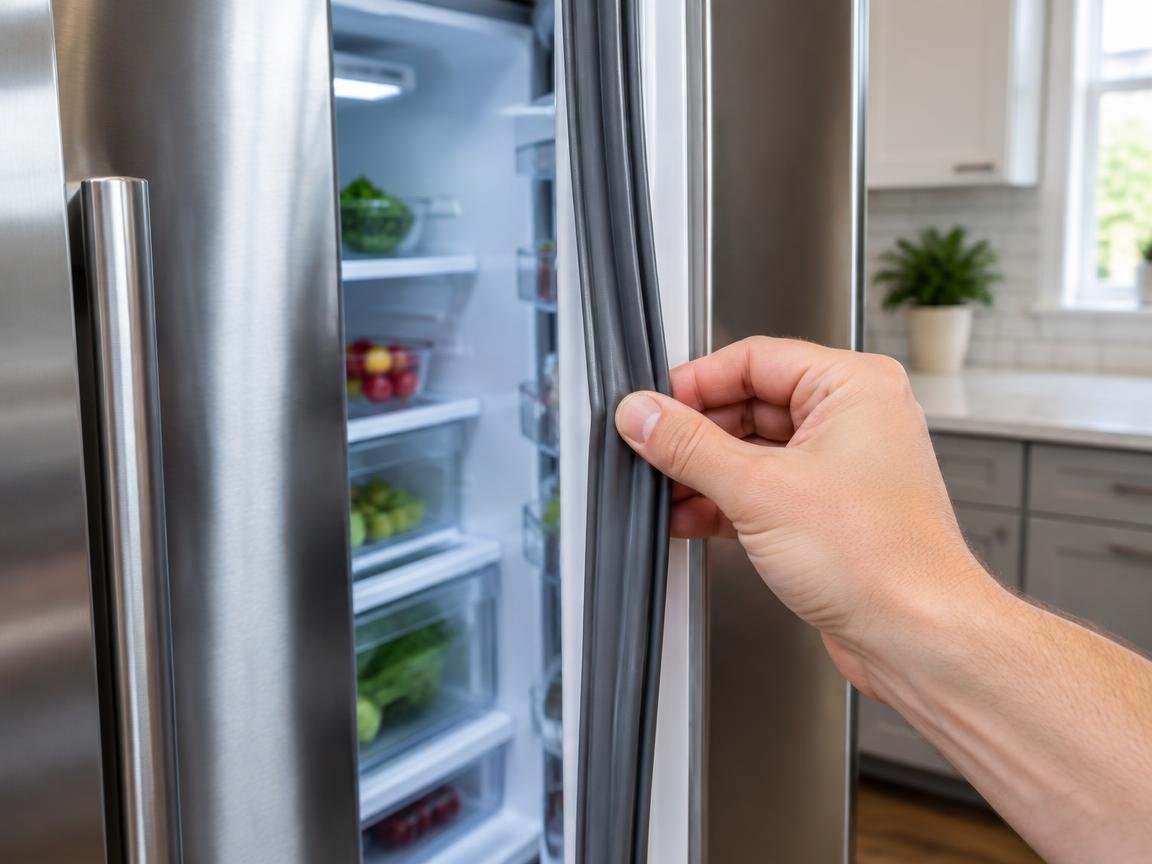
A clogged drain line, already mentioned as a common issue, can exacerbate this problem, causing the drain pan to overflow. Furthermore, compromised magnetic gaskets around the doors can allow warm, humid air to continuously seep into the compartments, forcing the compressor to work harder and creating more condensation. In severe cases, this can lead to cabinet condensation, where moisture forms on the exterior surfaces of the appliance. Some Sub-Zero units are equipped with a vacuum breaker, a small heater that prevents condensation from forming on the cabinet’s exterior, especially in high-humidity environments. Regular inspection of door seals and ensuring proper drainage are crucial preventive measures.
Seasonal Temperature Shifts and Seal Integrity
Just as summer humidity presents challenges, winter chill can also add strain to your Sub-Zero appliance. Extreme temperature shifts, whether from very hot to very cold or vice versa, can affect the physical components of the refrigerator, particularly the door seals. Over time, the constant expansion and contraction due to thermal stress can cause door seals (gaskets) to lose their elasticity, crack, or tear.
When seals become compromised, they fail to create a tight barrier, allowing warm air to enter the cold compartments and cold air to escape. This forces the compressor to run more frequently and for longer durations to maintain the set temperature, leading to increased energy consumption and premature wear on components. Winter seal failures, for instance, can cause noticeable temperature spikes within the unit. Regular checks of door alignment and the integrity of the seals are essential. Ensuring that seals are clean, pliable, and free from damage helps maintain optimal temperature recovery and protects the cabinet insulation, contributing to the appliance’s overall efficiency and extending its life.
Essential Preventive Maintenance and Ownership Longevity
Investing in a Sub-Zero refrigerator means investing in quality and longevity. To maximize this investment and minimize the need for unexpected repairs, proactive preventive maintenance is key. Simple, routine tasks can significantly extend the life of your appliance and ensure it operates at peak efficiency.
Routine Condenser Coil and Airflow Care
One of the most critical maintenance tasks for any refrigerator, especially a high-performance Sub-Zero, is regularly cleaning the condenser coils. These coils are typically located at the top of the unit, behind the grille. Over time, they accumulate dust, pet dander, and lint, creating a thick blanket that acts as an insulator. This lint buildup restricts airflow around the coils, preventing them from efficiently dissipating heat.
When the condenser coils are dirty, the compressor has to work much harder and for longer periods to cool the refrigerator, leading to increased energy consumption, reduced cooling efficiency, and premature wear. This can eventually trigger a thermal overload, causing the compressor to shut down. Industry experts confirm that clogged condensers are a leading cause of mechanical failures in refrigerators. We recommend semi-annual vacuuming of the condenser coils using a brush attachment, or a specialized bristle brush, to remove accumulated debris. This simple action significantly reduces compressor strain and helps your Sub-Zero maintain optimal performance.
Gasket Inspection and Interior Optimization
Beyond the condenser coils, several other areas require your attention to ensure optimal performance and longevity. Here’s a list of essential semi-annual maintenance checkpoints:
- Door Seal Tightness: Regularly inspect your door gaskets for any signs of cracks, tears, or stiffness. A simple “dollar bill test” can help: close the door on a dollar bill, and if it pulls out easily, your seal might be compromised. Clean the seals with mild soap and water to keep them pliable and ensure a tight seal.
- Interior Airflow: Ensure that food items are not blocking the vents inside the refrigerator and freezer compartments. Proper interior airflow is crucial for even temperature distribution.
- Water Filter Replacement: If your Sub-Zero has a water dispenser or ice maker, replace the water filter according to the manufacturer’s recommendations, typically every six months to a year. A clogged filter can reduce water flow and impact ice production.
- Air Purification Cartridge: Many Sub-Zero models feature an air purification system to reduce odors and bacteria. Replace the air purification cartridge as recommended, usually every year.
- Defrosting (if applicable): While most modern Sub-Zero freezers are frost-free, if you notice any significant ice buildup, it can impede efficiency. Defrosting manually when necessary can help restore optimal function.
- Professional Inspections: Consider scheduling professional inspections annually. A trained technician can identify potential issues before they become major problems, perform thorough cleaning, and ensure all components are functioning correctly.
By adhering to these actionable steps, you can significantly extend the life of your Sub-Zero refrigerator, maintain its energy efficiency, and protect your substantial investment.
Frequently Asked Questions About Sub-Zero Refrigerator Repair
We often hear similar questions from Sub-Zero owners. Here, we address some of the most common concerns to provide clarity and guidance.
How do I identify a sealed system leak early?
Identifying a sealed system leak early can prevent more extensive damage and costly repairs. While pinpointing the exact location of a leak requires specialized tools, several signs can indicate a problem:
- Continuous Running: If your refrigerator’s compressor seems to be running non-stop, or for unusually long cycles, it could be struggling to maintain temperature due to a refrigerant leak.
- Temperature Drop: A gradual or sudden inability to reach or maintain set temperatures in either the refrigerator or freezer compartment is a strong indicator. Food might not be as cold as it should be, or ice cream might be soft.
- Excessive Frost Pattern: While some frost is normal, an unusual or uneven frost pattern on the evaporator coils (often behind a panel in the freezer) can suggest a leak. The lack of refrigerant can cause moisture to freeze unevenly.
- Chemical Odor: Although less common and often subtle, a sweet, chemical odor can sometimes be detected if refrigerant is escaping. This is rare for residential leaks but possible.
- Diagnostic Codes: Newer Sub-Zero models may display specific diagnostic codes related to cooling system failures or temperature issues, which can indirectly point to a sealed system problem.
If you observe any of these symptoms, it’s best to contact a qualified technician immediately to diagnose and repair the sealed system.
When is repairing an older Sub-Zero unit more economical than replacement?
Sub-Zero appliances are built with an exceptional design philosophy aimed at longevity, often engineered to last well over two decades. This makes repairing an older unit frequently a more economical and sustainable choice than opting for a full replacement. Here’s why:
- 20-Year Lifespan: Unlike many conventional appliances, Sub-Zero refrigerators are designed for a 20-year-plus operational life. A repair, even a significant one, can often restore the unit to many more years of reliable service.
- Component Rebuild vs. Full Replacement: Sub-Zero units are designed to be serviceable, meaning individual components can be replaced or rebuilt without needing to discard the entire appliance.
- Installation Costs: Replacing a built-in or integrated Sub-Zero involves not just the cost of a new appliance, but also significant installation expenses, potential cabinetry modifications, and disposal fees for the old unit. These costs can quickly add up.
- Equity Retention: Your Sub-Zero is a premium appliance that contributes to your home’s value. Maintaining it through repair helps retain that equity without the depreciation associated with a new purchase.
- Environmental Impact: Repairing is also the more environmentally conscious choice, reducing waste and the consumption of new resources.
Unless an appliance is suffering from multiple, catastrophic failures or is significantly past its expected lifespan, repairing your Sub-Zero is almost always the smarter financial and environmental decision.
How often should condenser coils be cleaned to avoid mechanical failure?
To prevent mechanical failure, optimize energy efficiency, and extend the lifespan of your Sub-Zero refrigerator, we recommend cleaning the condenser coils every six months. This semi-annual interval is crucial for several reasons:
- Preventing Airflow Blockage: Over time, the coils accumulate dust, pet dander, and other airborne particles. This buildup creates an insulating layer that severely restricts the airflow necessary for heat dissipation.
- Reducing Compressor Strain: When airflow is blocked, the compressor must work harder and longer to cool the refrigerator’s interior. This constant strain can lead to premature wear and tear, eventually causing the compressor to overheat and fail.
- Maintaining Energy Efficiency: A clean condenser ensures the refrigerator operates at its designed efficiency, preventing unnecessary energy consumption and higher utility bills.
- Protecting Your Investment: Regular cleaning is a simple, inexpensive preventive measure that safeguards expensive components like the compressor, significantly reducing the likelihood of costly repairs down the line.
For households with pets, or in particularly dusty environments, you might consider cleaning the coils even more frequently. This simple, actionable step is one of the most effective ways to ensure your Sub-Zero refrigerator continues to perform flawlessly for years to come.
Conclusion
Your Sub-Zero refrigerator is more than just an appliance; it’s a vital part of your home and a testament to quality engineering. While even the best machines can encounter issues, understanding common problems, recognizing early warning signs, and committing to proactive maintenance can significantly extend its operational life.
When a repair is needed, choosing between factory-certified and independent specialists involves considering factors like speed, cost, and specific expertise, but both should prioritize the use of genuine OEM components. Sub-Zero units are built for longevity, often making repair a far more sensible and economical choice than replacement.
By performing routine tasks like condenser coil cleaning and gasket inspection, and by being aware of how local climate can impact performance, you are actively protecting your investment. With precision diagnostics and the right professional care, your Sub-Zero refrigerator can continue to provide exceptional food preservation for decades to come, ensuring your kitchen remains the heart of your home.