

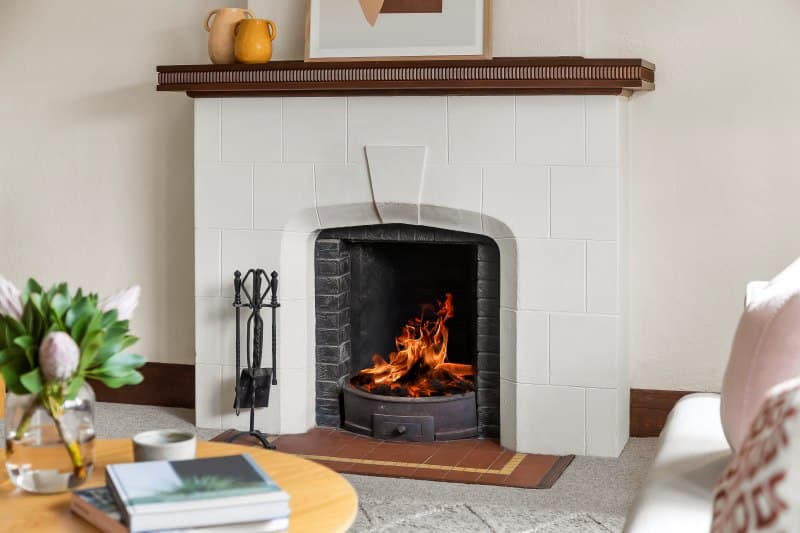
A fireplace is a captivating focal point in any living space, radiating warmth and creating an inviting ambience. Beyond the flickering flames and cosy atmosphere lies a crucial structural component often overlooked: the hearth. This foundational element is essential for your fireplace’s functionality and safety.
Understanding the intricacies of hearths ensures their longevity and your peace of mind as you enjoy the comforting glow of a fire. By comprehensively understanding this vital component, you can appreciate its significance in creating a safe and aesthetically pleasing fireplace experience.
Understanding Your Fireplace Foundation
The hearth is the non-combustible floor area extending in front of and sometimes within the fireplace opening. Its primary function is to protect the surrounding floor and nearby combustible materials from the intense heat and potential sparks or embers that can escape the firebox. Several factors contribute to the construction and suitability of a hearth, including:
- Material Matters – Hearths are typically constructed from non-combustible materials such as brick, stone, tile, concrete, or slate. Each material offers unique aesthetic qualities and varying levels of heat resistance. Brick provides a classic and rustic look, while stone offers natural beauty and durability. Tile allows diverse design options, and concrete provides a sturdy and cost-effective solution. Slate presents a sleek and sophisticated appearance. The choice of material often depends on the overall style of the room and the desired level of heat protection.
- Size and Dimensions – The size of the feature is critical for safety. Building codes often specify minimum dimensions for hearth extensions based on the size of the fireplace opening. Generally, larger fireplaces require larger ones to adequately protect the surrounding floor. The depth of the hearth extension extending outwards from the fireplace and its width are important considerations to contain any stray embers.
- Construction and Installation – Proper construction ensures the hearth effectively performs its protective function. Masonry fireplaces are typically built as part of the overall structure. For prefabricated fireplaces, manufacturers often specify the requirements for the beneath and in front of the unit. Professional installation is recommended to guarantee adherence to safety standards and proper integration with the fireplace.
- Maintenance and Care – While fireplaces are constructed from durable materials, regular maintenance helps preserve their appearance and structural integrity. Cleaning spills and soot promptly prevents staining. Inspecting for cracks or damage is essential, especially after heavy use. Addressing any issues promptly ensures the continued safety and functionality of your fireplace.
A Foundation For Warmth And Security
Though often a silent partner to the flames, the fire hearth plays an indispensable role in the fireplace experience. It provides a vital layer of protection, allowing you to enjoy the comfort and beauty of a fire with greater peace of mind. Recognizing the importance of its material, dimensions, construction, and upkeep ensures your fireplace remains a safe and cherished feature of your home for years.
Investing in a well-designed and properly installed hearth is an investment in both the aesthetic appeal and the safety of your living space. This foundational element deserves careful consideration, as it underpins countless cosy evenings and the enduring charm of a crackling fire. By understanding its significance, you enhance your appreciation for the complete fireplace system and the security it provides.