

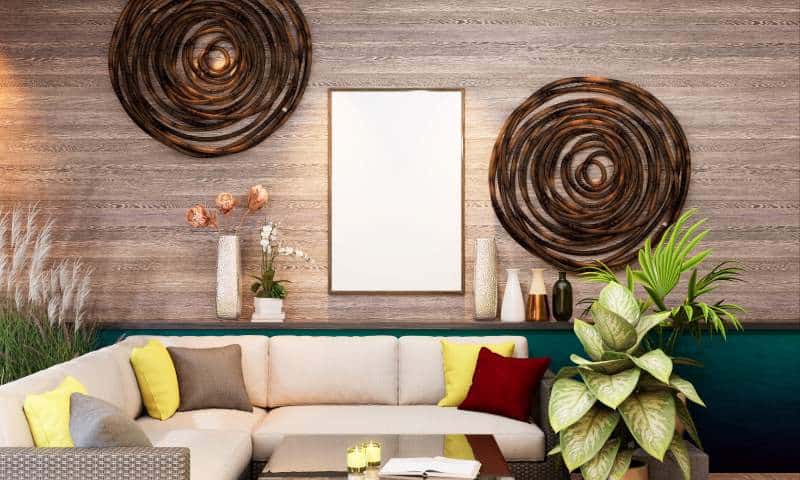
Modern interiors are moving toward quieter, more grounded styles, often guided by natural elements. Valued for their texture, tone, and visual ease, these materials suit a range of aesthetics. Instead of elaborate features, a simpler approach creates balance and calm, with carefully chosen forms and finishes adding harmony without overwhelming the space.
The Role of Materials in Interior Design
Natural home decor choices often influence how a space looks and feels. Elements such as wood, clay, stone, and plant-based fibers offer distinctive qualities supporting this design direction. Wood introduces variation through natural grain patterns. Clay and stone offer visual contrast through tone and surface. Together, these materials contribute to a more layered and complete interior.
Texture and Shape in a Simplified Setting
Visual softness can come from both an object’s shape and its surface. In rooms where clean lines are common, curved shapes or hand-finished textures offer contrast. Furniture with rounded edges or pieces with handwoven finishes may help soften a room’s structure. Objects with visible textures or natural variations serve as quiet focal points. These choices tend to sit comfortably with neutral palettes, especially those drawn from muted greens, browns, or off-whites.
Simple Ways to Add Organic Details
Simple additions can bring an organic feel to a space without the need for major changes. Thoughtful placement and natural materials often matter more than quantity. A wooden stool, bench, or shelf can add warmth and texture, while linen or cotton cushion covers introduce softness. Woven baskets made from jute or seagrass offer both storage and visual interest, and unglazed clay vases or ceramic bowls bring in earthy tones and tactile contrast. Even framed botanical illustrations can add a quiet natural touch. The key lies in consistency and how these pieces are arranged, not in how many are used.
Lighting and Shadow in a Minimal Design
How light moves through a room often influences its tone. Softer, diffused light allows surface finishes to become more visible. When used with textured materials, this can create shifting focal points throughout the day. Lighting fixtures made from untreated wood, paper, or woven materials tend to pair well with spaces designed around simple themes. In the evening, warm-toned bulbs or candles offer another layer of softness.
Textile Choices and Their Subtle Effects
Natural fabrics tend to age and move in ways that align with a quieter interior setting. Many are selected for how they interact with light and touch. Some examples of Textile Options:
- Linen for light drapery or throw covers
- Cotton for frequently used items like pillowcases
- Wool for seasonal rugs or thicker blankets
- Hemp or jute for structured floor pieces
Decorative Elements That Highlight Craft and Texture
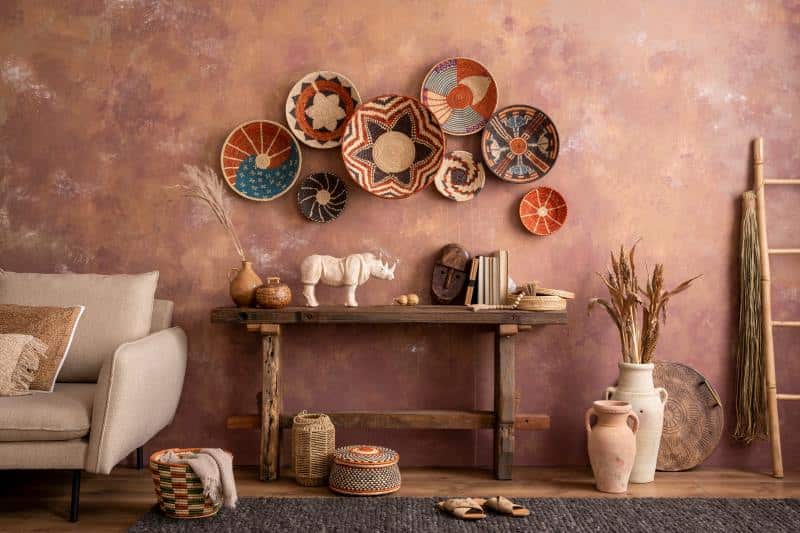
Many decor brands today emphasize natural materials and artisanal techniques. Common choices include wood carvings, hand-molded ceramics, woven baskets, and textured vessels in subdued tones. These pieces focus on form, raw finishes, and material presence rather than intricate detail. Selected for their ability to blend into natural interiors, they enhance a space without dominating it. Visible grain, surface texture, and slight imperfections lend subtle depth to minimalist settings.
Designing a space with natural elements can be a quiet process shaped by material, form, and arrangement. There is no fixed formula, only small decisions made over time. Even a few items can create a strong visual presence when working with neutral palettes and tactile surfaces. When used with care, natural home decor offers opportunities to create a setting where each detail feels part of a larger whole. In such environments, simplicity becomes an active part of the design rather than a limitation.