

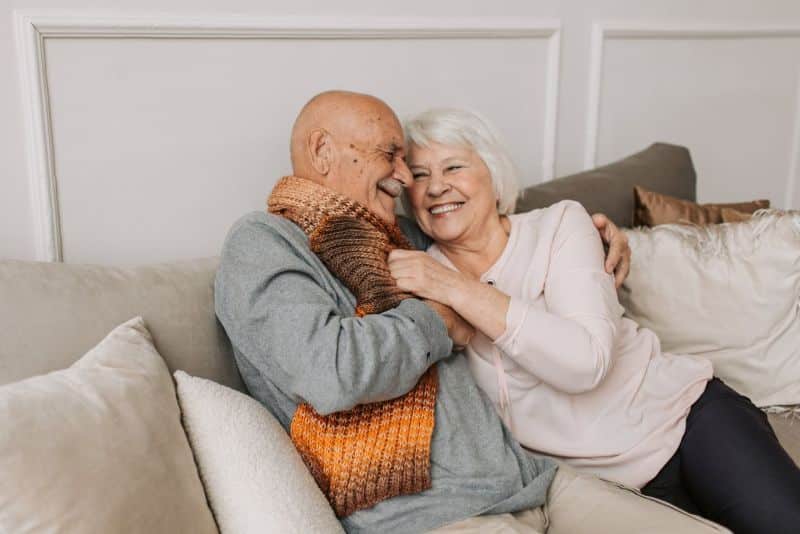
Many people spend most of their time at home. This is the space where they feel most comfortable and safe, and this might begin to change as they age. Eventually, your home might start to feel different, like it isn’t your own, and this can occur as your mobility and needs change. No matter if this is due to age or health conditions, it can be a challenge to overcome.
But there are ways to make your home feel like yours, even as you get older. You could benefit from hiring an in-home care team to help with a range of services, like those covered by Visiting Angels La Mesa – Senior Home Care Services. Whether you need help with meal preparation and other daily tasks or mobility assistance, an in-home carer can be very beneficial.
Alternatively, you might want to consider adapting your home to fit your needs more appropriately. Fortunately, this post outlines three of the main ways that home adaptations can improve your later life.
Allows Easy Access
For some individuals, their quality of life can change as they age. This is why it is essential to ensure accessible homes. There are numerous ways to adjust a home to allow easy access, with the addition of grab bars and ramps, making everyday tasks a lot easier. However, further changes might need to be made, depending on whether you have dexterity or mobility issues.
While those with dexterity problems could benefit from voice-activated controls, older adults with mobility challenges might require stairlifts, walk-in showers, and widened doorways. These adaptations not only make day-to-day activities more manageable, but they can also support aging in place, which allows seniors to stay comfortable in their homes for longer.
Supports Independence
Another aspect of life that people worry about when getting older is the loss of their independence. Home adaptations, like adjustable kitchen counters and walk-in bathtubs, play a significant role in preserving autonomy, allowing seniors to complete daily tasks with little to no assistance. Everyday activities that these simple changes can impact include bathing, cooking, and moving around the house safely.
With smart home technology, there are even more advanced solutions that can further support independence. Automated lighting and temperature control can provide peace of mind, but medical alert systems are often one of the most vital features considered by seniors and their families. This can reduce an individual’s reliance on caregivers at times, although having in-home care staff can be a necessity for some, as previously mentioned.
Enhances Safety and Fall Prevention
Home adaptations can also reduce the risk of falls and injuries. Falls are one of the leading causes of injury among seniors, with more than 25% of older people falling each year. Those who fall might experience long-term health issues and a loss of confidence, and their chances of falling again increase. This is why it is crucial to adjust your home accordingly.
The living environment you have should be tailored to your own needs. Your chance of accidents can be lowered by installing handrails in key areas, like bathrooms, lighting in hallways, and non-slip flooring. Bathrooms are often the setting for falls and trips, so you should make the necessary modifications, such as walk-in showers with grab bars and built-in seating. You should also be on the lookout for trip hazards and remove any that are found.
To conclude, living at home might seem like a challenge as a senior, but it is entirely possible. The points explained in this post should provide you with the knowledge of why household adaptations are important to improve your later life.