

KeyPoints:
- Small wall and ceiling changes often signal hidden moisture inside the structure
- Floors and carpets can show subtle shifts long before larger damage appears
- Odours are a strong early warning that mould may be present in damp spaces
- Rising water bills can point to leaks that aren’t yet visible in the home
Once water gets into areas where it is not supposed to be, the damage may accumulate silently over time. When a burst pipe or heavy rain occurs, it is normally noticed immediately, but the smaller hidden leaks are the ones that are often overlooked. The problem can be spreading behind walls or underneath floors before you realize the surface effects. Being aware of what to watch out for can help you avoid expensive repairs and make your home comfortable and safe.
Observing Indistinguishable Change in Walls and Ceilings
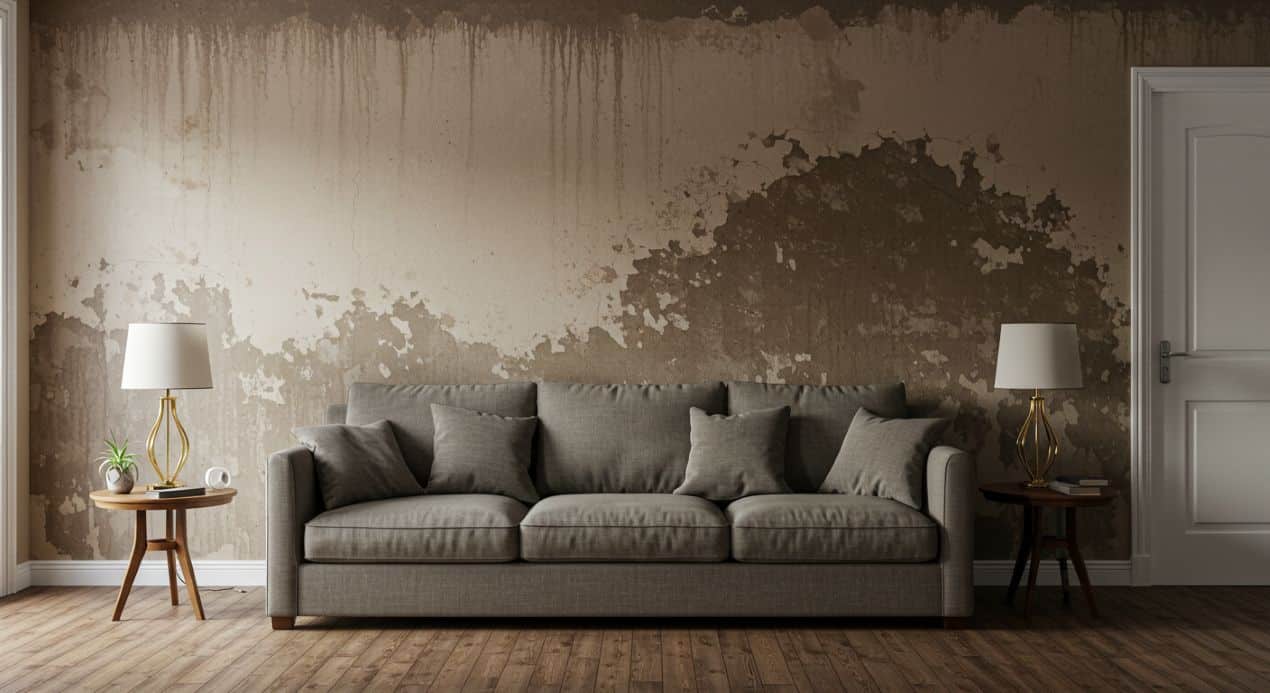
The first story of water damage is often found in your walls and ceilings. The signs may appear trivial at a glance, such as a small ring on the plaster or a spot of paint beginning to bubble. These spots may appear innocent initially, but they are normally an indication that there is moisture retained within. The dampness may soften plasterboard over time and crack it or even cause mould to grow behind the scenes.
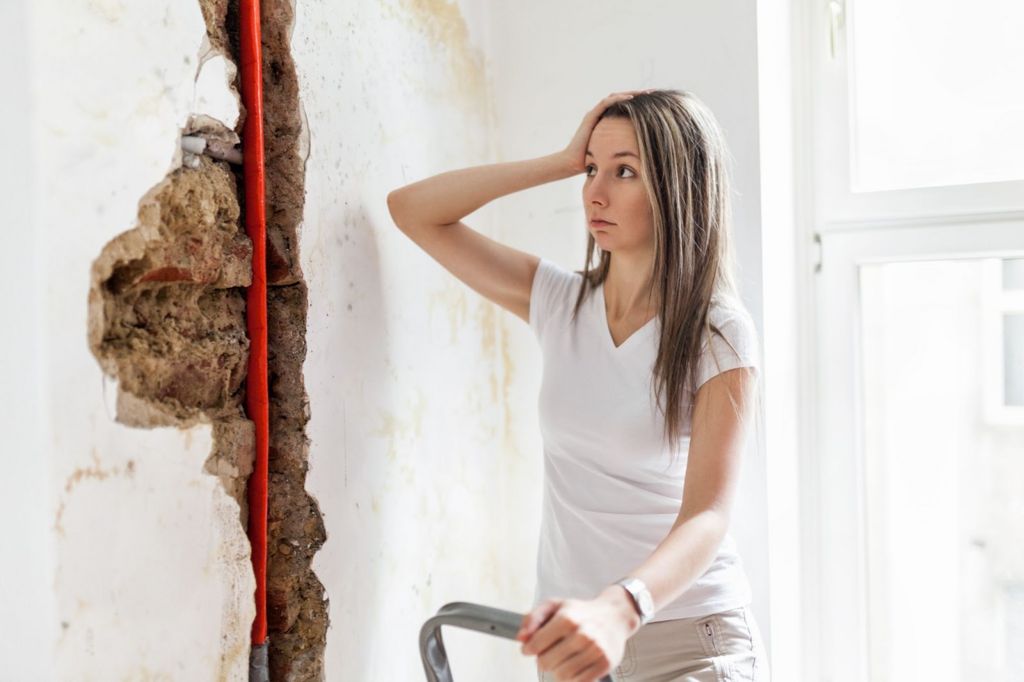
Ceilings in a few houses can also be a bit sunken when water accumulates over the ceiling. This is especially prevalent beneath bathrooms or kitchens with pipes that run through the upper levels. Although the surface may appear smooth, by rubbing your hand lightly on a wall, one can detect soft or rough areas that indicate a leakage somewhere. Such little things are simple to ignore, yet they are usually the first indication that something is amiss.
Flooring and Carpets Telling Their Own Story
Water damage does not only creep upwards, but it also leaves its footprints. Timber floors may begin to bow or rise when water leaks under them leaving uneven areas where the boards do not lie flat. A spongy feel in the carpeted areas may indicate moisture trapped beneath the surface. Even tiles can betray themselves by becoming loose with time, the adhesive becomes weak due to constant exposure to moisture.
Most homeowners do not pay much attention to these initial clues since flooring modifications are often gradual. A tiny area close to the laundry or beneath a sink may be different much earlier than the rest of the floor is noticeably so. It is important to note such small changes, as they can slip past unnoticed, and when the leak reaches subflooring, the fix becomes much more invasive and costly.
Smell as a Sensor of Water Problems
There are times when your nose will detect water damage earlier than your eyes. A damp odour is usually a sign that mould or mildew is gaining a foothold in damp places. The most common offenders are bathrooms, laundries, and basements, although odours may also escape behind cupboards, under sinks, or inside wardrobes when there is moisture.
Smell is an excellent early warning sign since mould spores can grow in places where there is a consistent dampness, despite the area appearing clean on the surface. When you find that the odor is more pronounced after a bath or on a wet day, it is worth the inquiry. By not paying attention to these odours, you may be letting mould spread silently, which not only destroys your property but may also impact the air quality in your home.
Appliances, Pipes, and the Silent Leaks Behind Them
Not all the most frequent leaks are caused by storms or roof damage, but by household appliances. Even refrigerators that have ice makers, washing machines and dishwashers all depend on constant water supply. Hoses may become worn over time or fittings may become loose to cause small leaks that drip unnoticed into cupboards or onto the floor below.
Aging plumbing systems are equally elusive. Pipes that are covered by walls or floors can have slow leaks, which will not be noticed until the water has already caused damage. Many homeowners turn to plumbers when they suspect these kinds of issues, since reaching the source usually means working in tight or inaccessible spaces. A drip at the back of an appliance might not be a big deal, but when unattended, it can lead to a lot of structural damage.
Monitoring Your Utility Bills to See What
Not every water damage is physical. In some cases the red flag appears in your utility bills. The gradual increase in water consumption without alteration in your household habit can be a sign of an unknown leak somewhere in the system. Since these increments are usually minimal in the beginning, most people tend to ignore them as an error or just pay the increased bill without investigating the reason.
Monitoring monthly statements will enable you to identify trends that do not make sense. When you realize your consumption increases despite not changing your water habits, it is worth considering dripping taps, running toilets, or other hidden sources of leakage within the walls. What appears as a trivial inconvenience, a small spike in the bill, can indicate water wasting away in the background.
Why Immediate Action Safeguards the Value of Your Home
The problems are multiplied when water damage persists. What begins as a damp spot or a stifling smell may become extensive structural deterioration, moulds, and health hazards to all occupants of the house. Unaddressed, these problems make the property less comfortable, more expensive to repair in the long term, and even decrease the overall value of the property.
The damage can be limited by acting promptly. Even minor repairs, when performed in time, are much less disruptive than massive restoration efforts that have to be undertaken after the damage has expanded. Listening to the early signs is not only about saving money, but also about maintaining your living conditions in a safe and stable state.
Warped Walls or Ceilings
If you’ve discovered water damage in your home, addressing it quickly is crucial to prevent structural issues from getting worse. In many cases, what starts as a small water stain can eventually lead to the need for larger repairs or even a full remodel. Partnering with experienced professionals like GVD Renovations Inc. can help homeowners not only repair the damage but also upgrade their spaces through expert home remodeling, siding, and kitchen or bathroom renovation services.
Conclusion
Water damage is usually silent and manifests itself in small, daily changes that are difficult to notice. Through observing those initial indicators, you will be able to avoid small leaks that will develop into severe structural issues. The faster you do it, the better and safer your house will be.