

If you’ve decided to secure a home in one of the most booming economies of Texas, Dallas-Fort Worth (DFW), you’ve made a smart decision. With steady job growth, expanding infrastructure, and thriving communities, the region offers incredible long-term potential for homeowners. However, buying a house is only the beginning. Turning it into a space that truly feels like home is an entirely different journey—one filled with planning, personalization, and care.
This article will walk you through essential steps every new homeowner should take—from selecting the right property to creating lasting comfort for your family.
Understanding the True Cost of Homeownership
Many new homeowners focus on the purchase price and mortgage, but overlook the additional expenses that come with owning a property. It’s important to plan for recurring costs such as property taxes, home insurance, utilities, and maintenance. Unexpected repairs can also arise at any time, from plumbing leaks to appliance replacements.
Setting aside an emergency fund specifically for home-related costs helps you stay financially secure. By preparing ahead, you can handle expenses without financial strain and keep your home in great condition throughout the year.
Choosing the Right Home for Comfort and Durability
While it’s easy to be drawn to curb appeal and stylish interiors, selecting the right home involves looking beyond aesthetics. In DFW, the weather can be extreme—summers are hot, and the area sometimes experiences severe storms. That’s why it’s important to find a sturdy home that can handle both heat and unexpected weather conditions. Homes with energy-efficient insulation, durable roofing, and solid foundations are worth prioritizing.
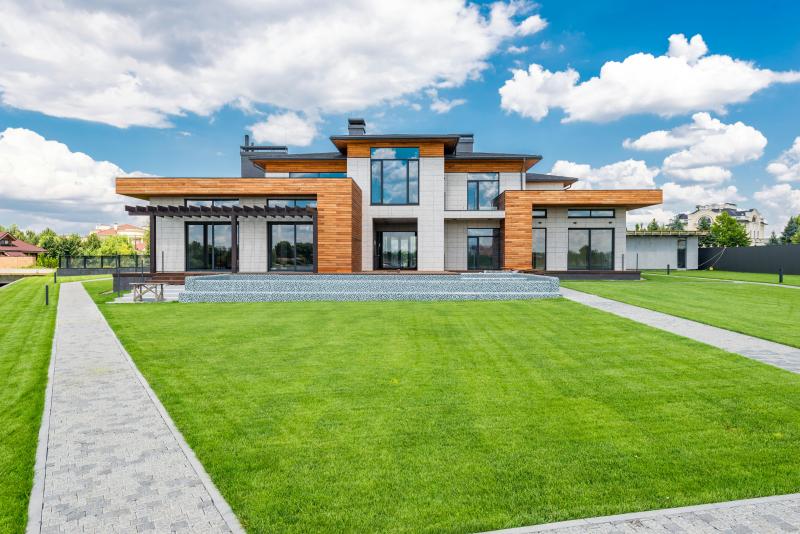
If you’re exploring new homes near DFW, Myrtle Creek offers well-designed properties built with quality materials and modern layouts. Their homes combine comfort with resilience, featuring energy-efficient systems, spacious floor plans, and designs suited to both the climate and lifestyle of the region. Choosing a home that’s both attractive and practical ensures that you’ll be able to enjoy it for years without worrying about structural or maintenance issues caused by the weather.
Handling the Paperwork and Closing Process Smoothly
Closing on a home is often the most stressful part of the buying process. There are multiple documents to review, signatures to finalize, and financial details to confirm. Make sure you understand the terms of your mortgage, any potential fees, and the timeline for payment.
A reliable real estate agent and an experienced closing attorney can help ensure every document is accurate, explain anything unclear, and protect your interests during the final transaction. Taking the time to review all paperwork before signing prevents misunderstandings and helps you start your homeownership journey on the right foot.
Making Essential Repairs and Safety Checks
Before unpacking boxes and decorating, focus on the essentials. Conduct a thorough inspection of the property to ensure everything functions properly. Check the electrical system, plumbing, and roof for signs of wear or leaks. Confirm that insulation and windows are secure, especially if you want to maintain efficient heating and cooling.
It’s also a good time to test smoke detectors, carbon monoxide alarms, and all door locks. A home that’s both safe and functional allows you to settle in with confidence and peace of mind.
Designing Spaces That Reflect You
Once the basics are taken care of, it’s time to make the space feel like yours. Interior design doesn’t have to be expensive or overwhelming. Start with the rooms you spend the most time in and choose colors, furniture, and décor that bring comfort and reflect your personality.
Natural light, cozy textures, and a clean layout can transform even a simple space. Adding small details like plants, family photos, or art pieces helps create warmth and individuality. Over time, your home will begin to mirror your style and story.
Building a Maintenance Routine
A home that’s cared for consistently will always feel safer and more inviting. Regular maintenance prevents small problems from turning into expensive repairs. The best approach is to create a simple schedule—monthly, seasonal, and annual tasks that keep everything running smoothly.
For instance, changing air filters every few months improves indoor air quality and keeps your HVAC system efficient. Cleaning gutters in spring and fall prevents water damage and foundation issues. Checking for leaks, testing safety alarms, and servicing major appliances are also essential parts of a routine.
Having a trusted list of professionals, like electricians, plumbers, and landscapers, makes it easier to manage upkeep when issues arise. With steady attention, you can preserve your home’s condition and avoid unexpected breakdowns.
Creating Comfortable Outdoor Spaces
The exterior of your home can really improve your lifestyle. Whether it’s a cozy patio for morning coffee or a backyard perfect for evening gatherings, your outdoor area can become one of your favorite spaces.
Begin with the furniture. Choose pieces that are weather-resistant and easy to maintain. Add string lights or solar-powered fixtures for ambiance, and consider low-maintenance landscaping with native plants that thrive naturally in your climate. If you enjoy hosting, adding a small grill or fire pit can create a welcoming atmosphere for family and friends.
Spending time outside not only adds enjoyment to your home life but also enhances its value and curb appeal.
Getting to Know Your Neighborhood
A home is more than the space inside its walls; it’s part of a community. Getting to know your neighbors and local surroundings builds a stronger sense of belonging. Take walks around the area, visit nearby shops, and attend community events or farmers’ markets. These activities connect you with the people who share your environment and can lead to lasting friendships.
It’s also a good idea to stay informed about local services, schools, and recreational areas. Joining neighborhood groups or online forums helps you stay updated on events, safety alerts, and opportunities to get involved. A supportive community makes daily life more enjoyable and creates a layer of security that makes you feel at home beyond your doorstep.
Planning for the Future
Homeownership doesn’t end when you move in; it evolves with your needs and goals. Thinking ahead helps you make smart choices about upgrades, renovations, and investments. Whether it’s adding a home office, updating your kitchen, or planning for energy-efficient installations, each improvement can enhance comfort and increase value.
Keeping track of market trends also helps you understand your property’s growth potential. Home equity can open opportunities for future investments, renovations, or refinancing.
A house becomes a home through intention, care, and connection. Each improvement, repair, and thoughtful design choice brings you closer to a living space that reflects who you are. But beyond physical comfort, true homeownership means cultivating a sense of belonging—a place where you can grow, rest, and create memories that last. It’s about building not only walls and rooms but a foundation for your life. With patience and effort, your home becomes more than property—it becomes a reflection of everything you’ve worked for and the life you’re continuing to build.