

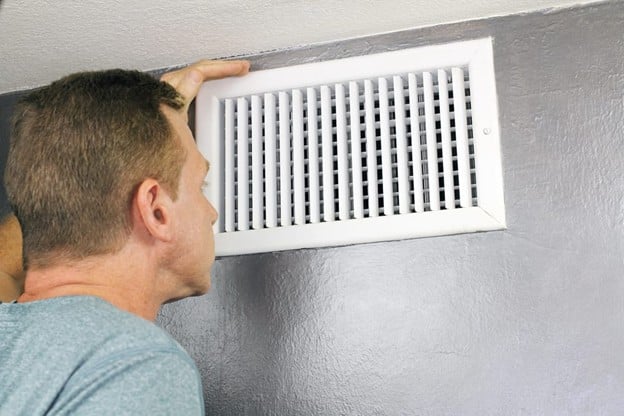
When homeowners in San Antonio call professionals for Furnace Maintenance San Antonio, TX, one often overlooked indicator of system health is odor. Strange or persistent smells coming from the furnace or vents can signal airflow issues, combustion problems, or even safety hazards. This blog explores the most common furnace smells, their causes, and how proactive professional service and a solid maintenance plan can help protect comfort, safety, and efficiency.
What odor mean my furnace needs professional attention for Furnace Maintenance San Antonio, TX?
When investigating furnace problems under the umbrella of Furnace Maintenance San Antonio, TX, the question “What smells from my furnace should I not ignore?” often arises. Knowing the difference between harmless seasonal smells and warning signs is essential.
A burning dust smell, for example, may be benign when a system is turned on for the first time after summer—it is often simply dust settling on heating elements. However, a persistent chemical odor, sulfur smell, or burning plastic scent can point to serious issues such as wiring faults, cracked heat exchangers, or even natural gas leaks. According to an HVAC guide, some furnace smells should trigger immediate service calls.
By including Furnace Maintenance San Antonio, TX as the framework here, homeowners gain a clearer understanding of how regular service, proper installation, and professional diagnostics combine to address odors and maintain system health. Recognizing and responding to warning smells early can prevent damage, reduce ris,k and improve heating efficiency.
Why Burning Dust Is Often Harmless—but Persistence Matters
One of the most common furnace odors is the smell of burning dust when the system runs for the first time in the season. After months of inactivity, dust, pet dander, or debris can accumulate on the burners, heat-exchanger surfaces or other internal components. When the heating cycle begins, this material may burn off, producing a transient mild odor.
In the context of Furnace Maintenance San Antonio, TX, professional technicians incorporate pre-season cleaning to remove this debris before first use. If the smell lingers beyond the first few hours of operation, it can indicate that airflow is restricted or a component is overheating. Homes in the San Antonio region may also deal with pollen and outdoor dust that exacerbate this initial effect. A thorough inspection ensures that what was once benign doesn’t become a performance or safety issue.
What a Sulfur or Rotten-Egg Odor Means—and Why It’s Urgent
Among the most alarming furnace smells is the scent of rotten eggs or sulfur. Since natural gas is odorless, the chemical mercaptan is added as a safety odorant to signal gas leaks. If the furnace or nearby area emits this smell, it may point to a serious gas leak requiring immediate evacuation and contact with the utility provider.
In a professional service plan for Furnace Maintenance San Antonio, TX, technicians check gas lines, burners, venting systems, and carbon-monoxide detectors. A lingering sulfur smell can accompany incomplete combustion, a cracked heat exchanger, or vent blockage. Since San Antonio homes rely heavily on HVAC systems for heating and cooling, ensuring combustion safety is especially important.
Burning Plastic, Electrical Odors, or Hot-metal Scents: Hidden Hazards
When a heating system emits odors reminiscent of burning plastic, rubber, hot metal, or ozone, it often signals electrical or mechanical stress. For example, a blower motor may be overheating, insulation may be melting, or wiring connections may be under strain. These conditions can escalate into fire hazards if untreated.
Professional service under Furnace Maintenance San Antonio, TX includes checking blower bearings, motor operation, wiring integrity, belt condition (if present), and inspecting for signs of overheating or insulation damage. Early detection helps prevent costly repairs and protects both the system and the home. Homeowners should reserve use or shut down the furnace immediately if these smells appear and await inspection.
Musty, Mildew, or Chemical Smells: Ductwork and Indoor-air-quality Implications
Furnace smells may also originate from the airflow system rather than the furnace cabinet itself. A musty or mildew odor often results from mold or moisture in ductwork, a clogged condensate line, or stagnant air in parts of the system.
In the framework of Furnace Maintenance San Antonio, TX, technicians evaluate ductwork for moisture intrusion, inspect condensate pans, and check air filters and return vents. The link between indoor-air quality, airflow, and heating system performance becomes clear in homes where filtration, humidity control, and airflow balance were previously neglected.
How Professional Maintenance Improves Heating Efficiency and Prevents Odor-related Issues
Improved System Airflow and Cleaner Combustion
When a furnace functions with proper airflow and clean internal components, it runs more efficiently and produces fewer odors. During a professional service, the technician replaces or cleans filters, inspects blower motors, lubricates moving parts, and tests airflow across the system. This helps prevent the conditions that lead to odor production—such as overheating or restricted combustion.
Combustion Efficiency and Safety
Service includes burner cleaning, ignition sequence inspection, heat-exchanger check, and vent exhaust verification. With Furnace Maintenance San Antonio, TX, homeowners benefit from improved fuel use, fewer incomplete-combustion events, and lower risk of carbon-monoxide intrusion or odor symptoms tied to malfunctioning equipment.
Duct and Return-air Balance
Even the best furnace will underperform if ductwork is leaky, poorly insulated, or contaminated. Professional service identifies leaks, sealing opportunities, and return-air obstructions. Homes in the San Antonio region particularly benefit when airflow disruption leads to smell development—once airflow is optimized, lingering odors often resolve.
Extended Equipment Life and Fewer Emergency Repairs
Odors often hint at strain, wear, or early failure. A furnace that runs cleanly and efficiently undergoes less stress on components, thereby extending its lifespan. Regular professional attention as part of a Furnace Maintenance San Antonio, TX program reduces breakdown risk and supports full-life performance of the heating system.
What Homeowners Can Do Right Now to Address Furnace Smells?
While professional service is essential, homeowners can take immediate action when a furnace smells unusual. First, replace the air filter and run the system for a short period—if the smell is dust burning off and clears in an hour or so, the issue may be minor. If the odor persists or is sulfur, chemical, plastic, or mildew-like, shut down the furnace and schedule service.
Clear the supply and return vents of furniture or storage that may block airflow. Ensure the area around the furnace cabinet is free of debris, combustible material, or clutter. Monitor the furnace’s performance and any associated symptoms such as short‐cycling, uneven heating, or unusual noise—these often accompany odor issues.
Frequently Asked Questions
Q1: What Does a Burning‐dust Smell Mean When I First Start the Furnace for the Season?
A: Usually, dust settled on heating components burns off during the first few uses. If the smell fades within a couple of hours and there are no other symptoms, it’s typically harmless. Persistent smell warrants inspection.
Q2: Should I Ignore a Musty or Mildew Smell from My Furnace Vents?
A: No. A musty odor often indicates moisture buildup, mold, or mildew in ductwork or the furnace cabinet—this impacts indoor air quality and system performance. Professional evaluation is recommended.
Q3: Is a Sulfur or Rotten‐egg Odor a Sign of a Gas Leak?
A: Yes. Natural gas leaks are indicated by sulfur/mercaptan scent. If detected, stop using the furnace, evacuate the home, shut off the gas if safe, and call your utility and HVAC professional immediately.
Q4: What Steps Should I Take If I Smell Burning Plastic or an Electrical Odor from the Furnace?
A: Turn off the furnace and power to it. Do not attempt to run. Such smells often indicate overheating components, wire insulation damage or blower faults—a professional inspection is necessary.
Q5: Can Professional Maintenance Reduce or Eliminate Furnace Smells Over Time?
A: Yes. Regular inspection, cleaning, and performance tuning under a Furnace Maintenance San Antonio, TX program significantly reduces the likelihood of odor‐related issues. Clean airflow, proper combustion, and well-sealing ducts all contribute.
Conclusion
Smells from a furnace are more than just inconvenient—they often provide the first clue to deeper issues involving airflow, combustion safety, component wear, or indoor-air-quality threats. By implementing a structured approach to Furnace Maintenance in San Antonio, TX, homeowners can enhance efficiency, extend system longevity, and avoid unexpected breakdowns. When you need a reliable partner for furnace inspections, odor diagnosis, servicing, or replacement under a professional maintenance plan, the name to remember is Apollo Air Heating & Cooling—dedicated to comfort, safety, and performance for San Antonio homes.