

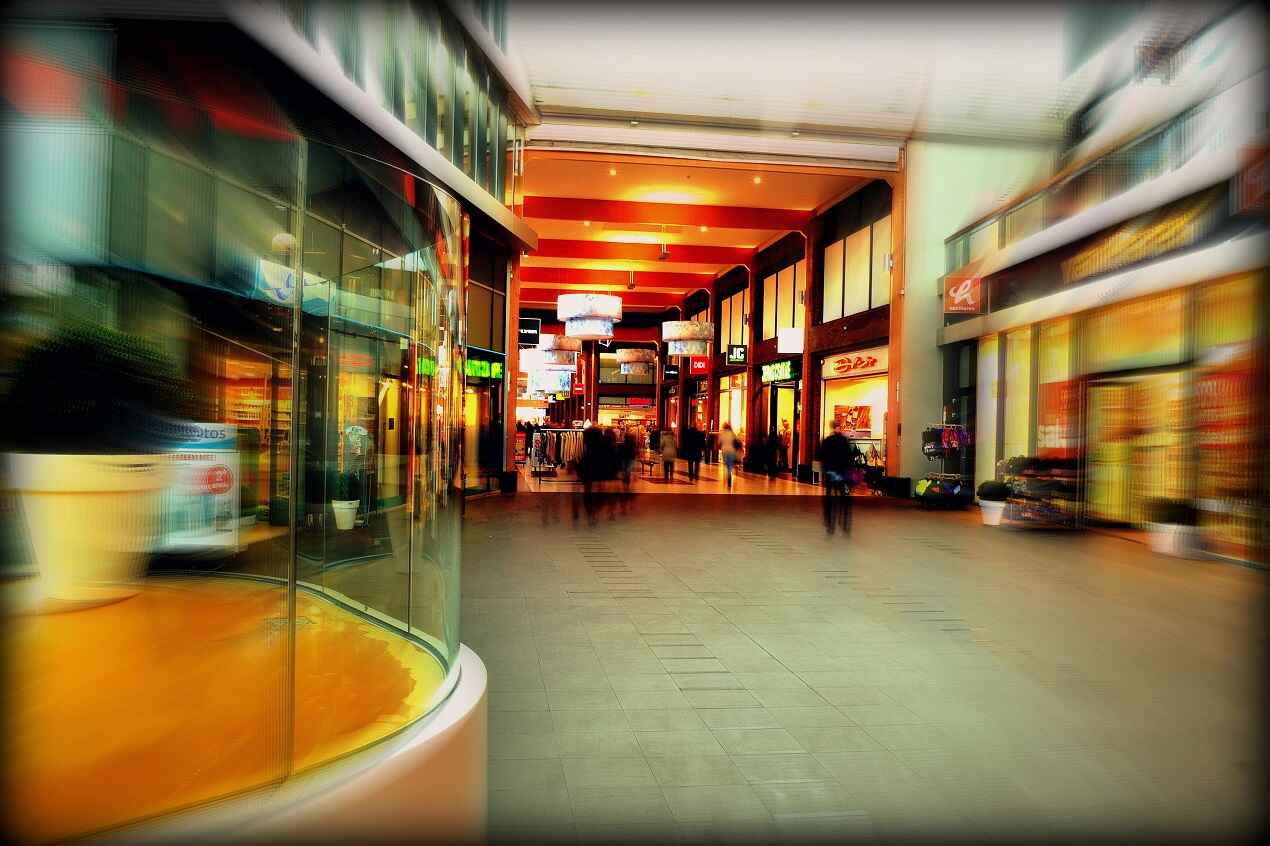
A high-volume commercial space depends on more than just a good location. You can have a busy street and a sharp-looking building, but if people struggle to move around inside, the experience falls apart fast. Customers notice how easy a space feels before they notice the decor. Good design supports the flow of people, and it shapes how they experience the entire building. Here are six design features that help high-volume commercial buildings work at their best.
1. Strategic Customer Flow Pathways
High-volume spaces fall apart when traffic forms at entrances, service areas, and narrow corridors. It slows visitors. It also hurts the overall experience. Overlooking space functionality is one of the biggest mistakes you can make in office build-outs and other commercial projects. So, use that space to create strategic pathways that guide people through it.
When pathways are carefully planned, the entire space feels easier to navigate and performs better at peak hours. Start with wide walkways. Make clear routes from entry to service points, and design layouts that avoid tight corners. If you’re planning a large entertainment or hospitality space, work with a firm like I-5 Design Build. Their designs are crafted to handle constant foot traffic with smooth, intuitive flow in places like casinos and restaurants.
2. Durable, Scratch-Resistant Flooring
High-volume buildings face daily wear from shoes, carts, and equipment. Flooring that dents and cracks easily becomes a maintenance problem. Durable and scratch-resistant materials hold up longer. They also keep the space looking clean.
Select flooring options like polished concrete and commercial vinyl. Basically, look for floors rated for heavy use. Keep color and texture in mind, too, since they impact long-term appearance. Good flooring cuts down on repairs and keeps operational downtime low.
3. Layered Lighting Indoors and Outdoors
Lighting does more than brighten a room. It directs attention. It enhances safety. It influences how customers feel inside your building. A layered lighting plan combines ambient, task, and accent lighting so every zone is properly illuminated.
Pay attention to the exterior as well. Commercial outdoor lighting plays a key role in safety and visibility, especially after dark. Use a mix of overhead fixtures, wall lights, and focused spotlights outside your space. Ensure parking lots are well-lit. A space illuminated inside and out feels inviting and keeps people moving confidently from one area to the next.
4. Clear Signage and Wayfinding
A commercial space becomes frustrating for visitors when they don’t know where to go. Wayfinding should guide them from the entrance to key points without hesitation. This includes your main building signage, directional signs, bathroom indicators, and more.
Use easy-to-read fonts and consistent colors across the signs. Make sure it’s easy to understand so that customers navigate the space without slowing down or blocking traffic. Clear signs reduce confusion and make the entire experience smoother.
5. Noise Control Features
Busy commercial spaces get loud. High ceilings, hard surfaces, and open layouts amplify the noise from conversations and foot traffic. Noise control features can help reduce echo. Add acoustic panels to walls or ceilings, and use sound-absorbing materials in high-activity areas. Choose flooring that softens impact noise. A quieter environment improves the customer experience and helps staff stay focused.
Endnote
Strong design features guide traffic. They improve comfort. They help the space work under pressure. When these elements are in place, everything runs smoothly for customers and staff. By building with ease and comfort in mind so your commercial space delivers the kind of experience people enjoy and remember.