

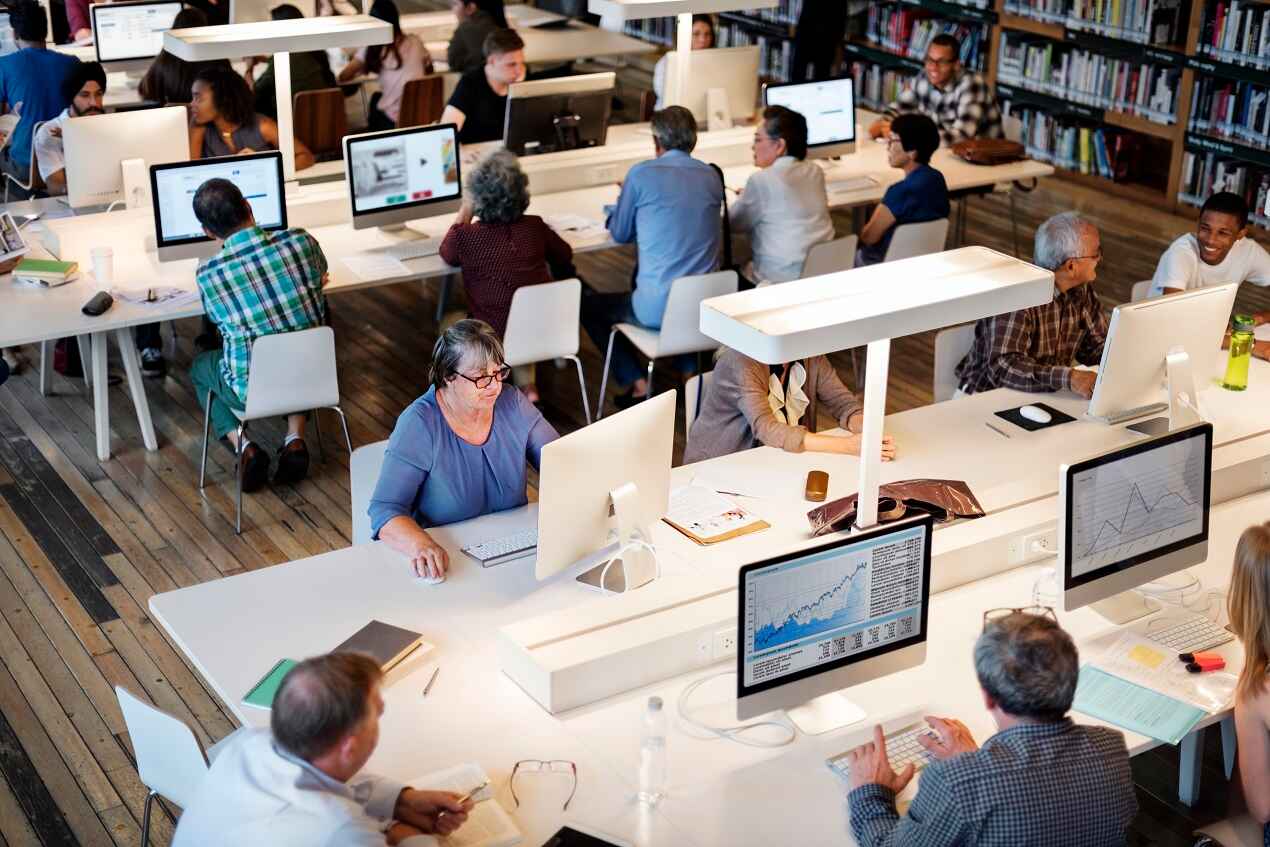
High traffic environments place constant pressure on design decisions that influence movement, comfort, and safety. These spaces serve broad groups of people with different needs, expectations, and mobility levels. When the layout fails to support inclusive access, users face unnecessary friction that weakens their experience and slows the flow of activity. Businesses that manage busy facilities must therefore treat accessibility as a practical investment that improves engagement, supports stronger navigation, and reduces avoidable risks. A balanced approach helps organizations create environments that welcome steady movement without forcing visitors to struggle with obstacles, confusing paths, or limited visibility.
Understanding the demands of high traffic environments
High traffic spaces experience repetitive stress from continuous movement, which means every design choice influences user efficiency. People want clear pathways, predictable routes, and consistent visual cues that simplify their decisions. When these elements work together, the environment feels manageable even during peak periods. Inclusive design supports this goal because it removes unnecessary barriers and reduces challenges that often slow or frustrate visitors with different mobility levels.
High traffic areas must also support people who rely on assistive devices, who move at slower speeds, or who require additional space to maintain personal comfort. These requirements affect corridor width, door placement, lighting quality, and seating availability. Businesses that understand these needs can design spaces that feel open, intuitive, and safe for everyone who enters.
Improving navigation through structured pathways and visual cues
Clear pathways help users move with confidence through busy facilities. Predictable routes reduce stress, strengthen flow, and limit confusion that often affects people with limited vision or reduced mobility. Designers should maintain consistent placement of key features such as directional signage, information counters, and accessible entry points. These details help visitors make faster decisions without feeling disoriented.
Visual cues also support inclusive access by reinforcing movement patterns. High contrast markings, large readable signage, and simple icons make navigation easier for users of different ages and visual abilities. These cues reduce the effort required to interpret the environment, which helps maintain steady movement during periods of heavy use. When a facility commits to structured pathways that remain clear of obstructions, the experience feels smoother for every group that relies on the space.
Promoting stability and safety with thoughtful material choices
Material selection influences user comfort in high traffic environments because durable surfaces reduce maintenance needs and limit disruptions. Flooring must support traction, resist wear, and maintain visual clarity under heavy use. Wall finishes, handrails, and door hardware must deliver consistent performance for people who rely on them for support and balance. The right materials contribute to a safe experience that accommodates different mobility devices and different stride patterns.
Structural features also matter when users enter elevated areas or transition between floors. A well-designed facility will integrate strong, reliable elements such as the metal staircases often used in commercial buildings. These structures provide sound footing, consistent steps, and stable handrails that support users who need additional guidance. Accessible ramps and gradual slopes should accompany elevated areas to ensure that people who use wheelchairs or strollers can move without difficulty.
Supporting privacy and accessibility in essential facility areas
High-traffic environments depend on functional support spaces that handle frequent use without compromising user comfort. Many buildings partner with Metpar Partitions to create stable and reliable restroom partitions that strengthen privacy while supporting accessibility requirements. These partitions serve essential roles in public facilities where visitors expect secure and comfortable spaces that remain easy to navigate.
When businesses select partition systems that support accessibility guidelines, they improve user satisfaction and reduce delays caused by poorly designed facilities. Strong partition systems also support long-term durability, which protects operational schedules and limits the need for disruptive repairs. Inclusive access depends on consistent structural support that maintains privacy, safety, and comfort in areas that experience heavy daily use.
Enhancing comfort with strategic seating and waiting zones
People in high-traffic spaces often need short rest periods, especially those who move slowly or rely on supportive devices. Effective seating zones provide predictable spaces for rest without blocking main pathways. Chairs should offer stability, appropriate height, and supportive armrests that help users transition between standing and sitting with confidence.
Waiting zones should remain visible, comfortable, and easy to reach from all major routes. Clear separation between seating and movement corridors prevents congestion and protects users who require quiet or stable areas during busy times. Businesses that design these zones carefully support both comfort and flow, which strengthens the entire facility experience.
Using lighting and acoustics to support awareness and comfort
Appropriate lighting helps users navigate complex environments by reinforcing visual clarity. High traffic spaces depend on balanced lighting that reduces shadows, highlights essential features, and supports users with limited vision. Lighting consistency helps people move confidently across different zones without adjusting to sudden brightness changes that create momentary disorientation.
Acoustic comfort also influences the sense of accessibility. Excessive noise creates confusion because users struggle to hear announcements, instructions, or environmental cues. Thoughtful acoustic design supports communication by absorbing harsh sounds and limiting echoes that distort user awareness. Inclusive environments maintain a controlled soundscape that helps people understand instructions and interact with staff without unnecessary strain.
Strengthening access with technology and automation
Technology helps maintain inclusive access by reducing physical demands on visitors. Automatic doors, sensor-based lighting, and clear digital signage all reduce barriers that slow movement. These features help users who carry heavy items, manage mobility devices, or navigate unfamiliar layouts. Automation improves consistency across peak and low traffic periods, which protects ease of access for every group that enters the facility.
Digital systems also support high-volume environments by providing real-time information. Visitor flow data helps staff respond to congestion before it becomes a barrier. Automated alerts support staff communication and improve response times during busy periods. These systems help facilities adapt to daily pressures without compromising accessibility or safety.
Applying insights from modern high-volume design standards
Many of the most effective features in modern facilities take inspiration from high-volume environments where user needs shift quickly throughout the day. Successful commercial spaces combine consistent sightlines, broad movement paths, and durable materials that support stability under constant stress. Guidance from resources that focus on high-volume spaces helps designers understand which features contribute to a smoother visitor experience.
When these principles guide decision-making, facilities operate more efficiently and support diverse users with fewer disruptions. High volume design emphasizes clarity, predictability, and strength, which align naturally with accessibility goals that help every person move without unnecessary challenges.
Supporting security and continuity by reducing operational friction
Accessible facilities create safer environments because clear pathways and predictable layouts reduce risk. People who struggle to navigate complex spaces often face higher chances of slips, falls, or collisions. Inclusive access reduces these risks by simplifying movement and improving environmental awareness.
High traffic environments that maintain stable, organized layouts also support stronger emergency preparedness. People can evacuate more effectively when pathways remain clear and signage remains visible. Security teams can respond faster when the environment supports coordinated navigation. These strengths help facilities maintain continuity and deliver better service during both routine and challenging periods.
Maintaining long-term performance with consistent review and updates
Inclusive access requires ongoing review because user needs evolve and facility conditions change over time. Regular assessments help organizations identify emerging obstacles and plan improvements before they affect daily operations. Staff observations, visitor feedback, and usage data all contribute to a clearer understanding of how people interact with the space.
Businesses that take this approach maintain a stable environment that supports high quality access year after year. Continuous improvement preserves user trust and strengthens the facility’s ability to handle busy schedules with reduced friction.
Conclusion
High traffic spaces require thoughtful planning because they serve diverse groups who rely on efficient, clear, and comfortable environments. Inclusive access strengthens movement, reduces strain, and supports users who depend on predictable layouts and stable structural features. When businesses commit to strong design principles that protect comfort and accessibility, they build spaces that remain functional and welcoming even during the busiest periods.