

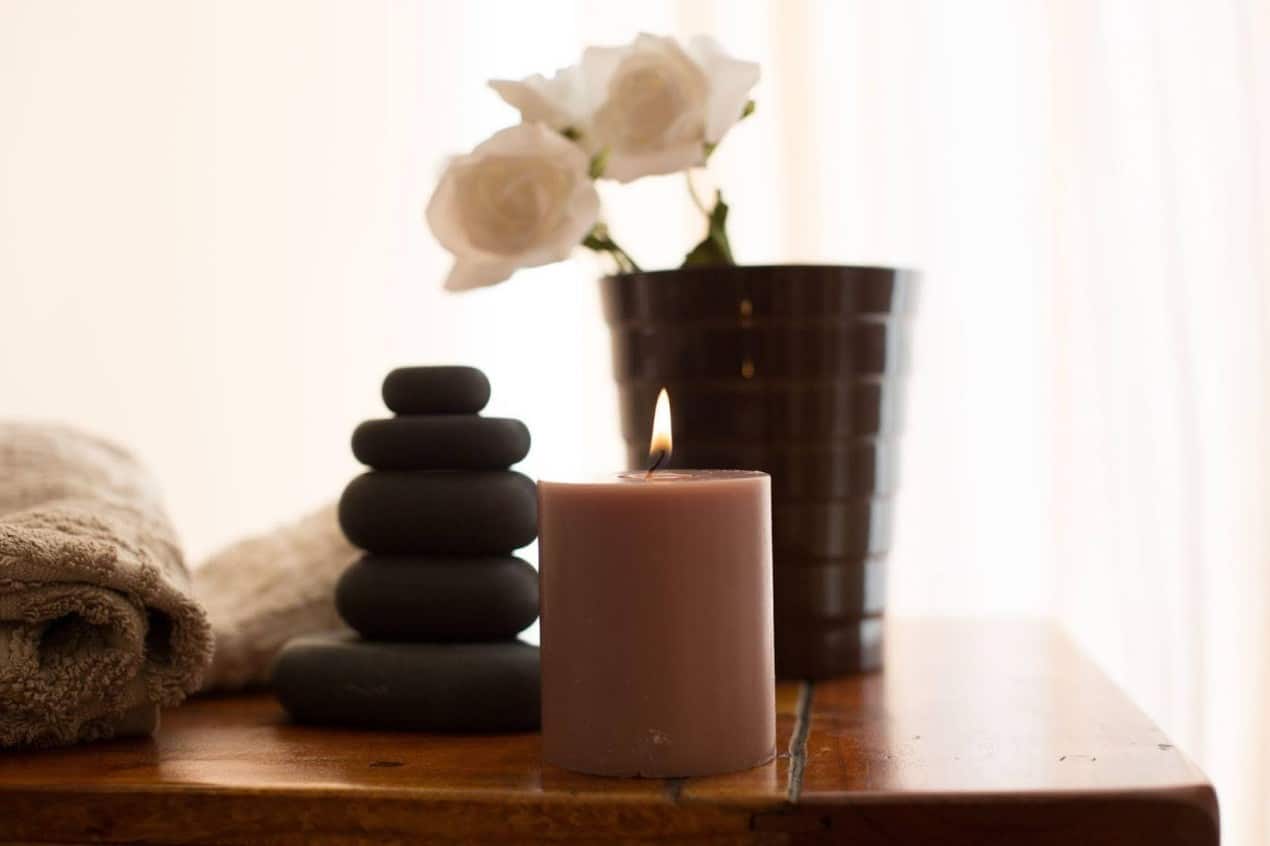
Our homes are more than shelters; they are the environments where we work, rest, recharge, and connect. As more people look for ways to enhance well-being in everyday life, interior design has taken on a deeper role. Beyond appearance, a thoughtfully designed space can influence mood, focus, and overall health. This growing awareness has led homeowners and designers alike to approach interiors with wellness in mind.
Working with a professional who understands the connection between layout, materials, and lifestyle can make a big difference. A seasoned Park City interior designer knows how to shape a home that supports balance and well-being while maintaining aesthetic harmony.
Letting in the Light
One of the first design elements that supports wellness is natural light. Spaces filled with daylight feel more open, calm, and energizing. Whether it’s through large windows, glass doors, or light-reflective surfaces, enhancing light exposure during the day can improve mood and help regulate sleep patterns.
Designers often recommend orienting living spaces to capture the best daylight, using window treatments that allow flexible light control, and using color schemes that amplify brightness. Even in rooms with limited natural light, smart use of mirrors and soft artificial lighting can help simulate a more uplifting atmosphere.
Creating Easy Flow
In addition to light, many designers emphasize the importance of spatial flow. How rooms connect, how furniture is arranged, and how easily people can move through a home all contribute to mental clarity and comfort. Homes that feel cramped or disjointed often lead to stress and restlessness. An open layout, gentle transitions between spaces, and uncluttered zones can bring a greater sense of ease.
Open-plan living is not always necessary, but thoughtful zoning can make all the difference. Sliding doors, room dividers, and consistent flooring materials help create the feeling of unity and openness, even in smaller homes.
Using Natural Materials for Grounding
Materials also play a vital role. Natural elements such as wood, stone, clay, and organic textiles have both visual and tactile benefits. These materials are not only pleasing to the eye but also create a sense of grounding and warmth. When paired with soft lighting and neutral colors, they help set a restful atmosphere.
Homeowners are increasingly seeking materials that are non-toxic and sustainably sourced. Cork flooring, bamboo, wool textiles, and reclaimed wood offer beauty along with environmental responsibility. These choices speak to a deeper lifestyle philosophy that values health and harmony with nature.
Tuning the Senses: Sound and Texture
Texture and sound matter as well. Soft furnishings, thick rugs, and curtains can dampen unwanted noise, which is especially important in busy households or urban areas. Acoustic comfort often goes unnoticed until it’s missing, yet it’s essential for deep relaxation and concentration.
Even small additions like padded headboards, velvet cushions, or thick drapes can significantly affect the acoustic quality of a room. A quiet space naturally invites calm and enhances focus, making it ideal for activities like reading, meditating, or working from home.
Biophilic Touches with Greenery
Plants are another popular and effective design choice. Bringing greenery indoors is not only decorative but also beneficial for air quality and emotional balance. Even a few potted herbs in the kitchen or a single leafy plant by the window can shift a room’s feeling from cold to inviting.
Larger design integrations, like green walls, vertical gardens, or built-in planters, are gaining traction in wellness-focused homes. They provide ongoing interaction with nature, which studies show can reduce anxiety and increase happiness.
Designing for Daily Rituals
In wellness-focused interiors, personalization is key. Design isn’t one-size-fits-all. It reflects how people live and what brings them peace. For some, that might be a quiet reading corner; for others, a meditation nook or a warm, welcoming kitchen. Purposeful spaces that support daily rituals can make home life feel more intentional and nourishing.
Designers often begin with lifestyle assessments, asking how people use their home hour to hour, to develop tailored layouts. These designs may include spa-inspired bathrooms, yoga alcoves, or hobby-friendly rooms that nurture creativity and rest.
The Role of Color and Air Quality
Color also affects how a space feels. Soft, muted tones can promote calmness and clarity, while bold, saturated colors might energize or stimulate. Thoughtful color choices, especially when aligned with natural light sources and purpose of a room, help create a soothing ambiance.
Air quality is another overlooked but critical factor. Using non-toxic paints, avoiding synthetic materials, and ensuring good ventilation can support healthier indoor environments. Designers focused on wellness often recommend houseplants that naturally filter air, or open layouts that allow for better circulation.
Subtle Sensory Layers
Aromatherapy can also be subtly woven into interior design. Scented candles, essential oil diffusers, or dried herbs placed throughout a home can add an invisible layer of comfort and familiarity. Smell is a powerful sense tied to memory and emotion, and using scent intentionally can make a space feel more personal.
Another trend in wellness interiors is technology that supports well-being. From circadian lighting systems that shift tones throughout the day to sound systems that play ambient nature sounds, integrating smart features thoughtfully can add convenience without clutter.
Small Shifts, Lasting Benefits
A successful wellness interior doesn’t require major renovations. Often, small changes—better lighting, rearranged furniture, or choosing healthier materials—can create meaningful impact. Working with professionals who understand this, especially those who specialize in wellness-driven design, helps bring vision into form in a calm, informed way.
These subtle enhancements can support better sleep, more focused work, deeper relaxation, and stronger connections among household members. When a space is aligned with a person’s daily rhythm and emotional needs, it becomes more than just beautiful—it becomes truly supportive.
Homes That Heal
Ultimately, a well-designed home is one that makes people feel good. It’s not about trends or square footage, but how the space functions in harmony with the people inside it. As the desire for balance and simplicity continues to grow, wellness interior design offers a gentle, grounded path forward.
From letting in light to choosing natural textures, from calming soundscapes to purposeful color schemes, these principles offer both immediate and lasting benefits. In every room, there’s an opportunity to support health, happiness, and a better way to live.