

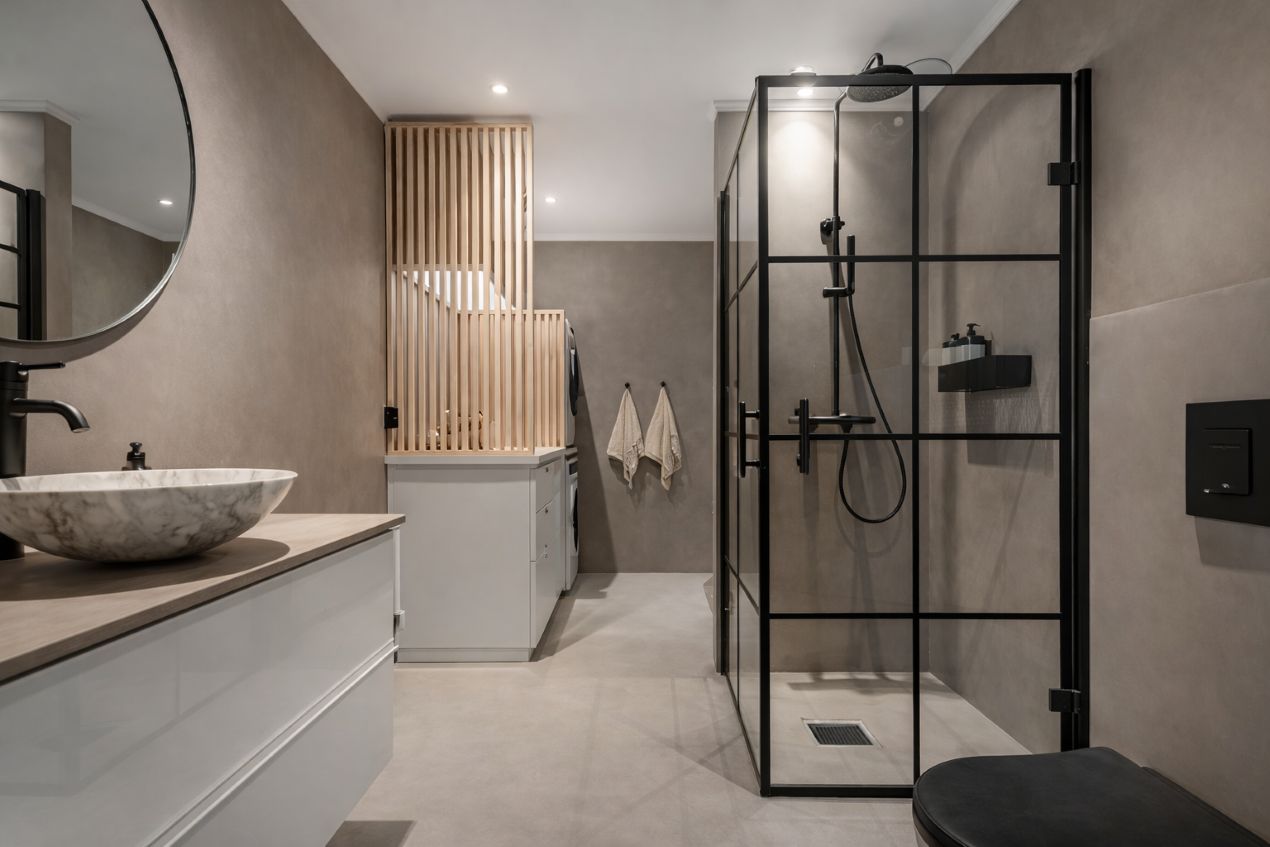
When most homeowners start planning a bathroom remodel, their minds go straight to tiles, vanities, faucets, and finishes. That’s the exciting part. But there’s another side of remodeling that doesn’t show up in Pinterest boards or showroom displays and it can quietly consume a surprising portion of your budget. These are the soft costs: permits, plans, and professional services that make sure your remodel is legal, safe, and built to last.
Ignoring soft costs is one of the most common reasons bathroom remodel budgets spiral out of control. Accounting for them early, on the other hand, gives you clarity, confidence, and leverage when making design and contractor decisions. Let’s break down what these costs really include, why they matter, and how to plan for them like someone who’s done this before.
Permits: The Unseen Checkpoints
Permits feel like a nuisance, but they’re often essential. Depending on your city, almost any plumbing or electrical change requires a permit. Moving a shower drain, adding an outlet, or upgrading a water heater can all trigger inspections. If you skip this to save a few hundred dollars, you might end up paying fines or worse, facing issues when selling the house.
I’ve seen homeowners tear out their old bathroom without permits and then get slapped with a stop-work order. The project grinds to a halt, and suddenly what seemed like a weekend remodel stretches into weeks. Waiting for approvals is frustrating, but it’s almost always cheaper and safer than dealing with penalties or redoing work.
Plans: Avoiding Costly Missteps
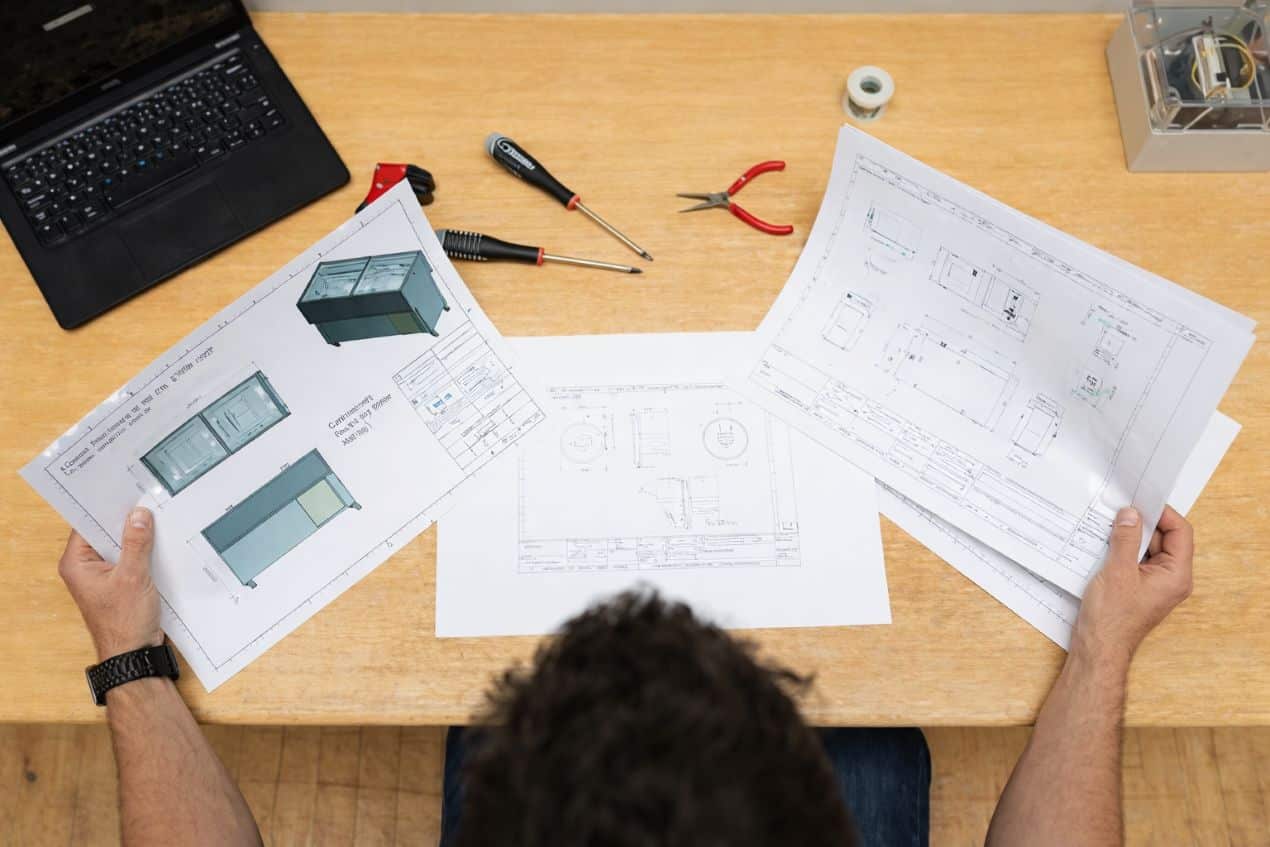
Accurate plans aren’t just for large projects. Even a small bathroom needs measurements, layouts, and sometimes diagrams for plumbing and electrical work. Half an inch can make the difference between a vanity that fits and one that blocks the door swing. I’ve spent mornings adjusting the plumbing because the shower pan didn’t line up with the drain in the plans.
Plans also help with trade-offs. Maybe the room feels cramped, and you’re debating whether to move the toilet a few inches or shrink the vanity. Seeing the layout drawn out clearly makes these decisions less guesswork and saves you from surprise problems mid-install.
Professionals: Knowing Where to Draw the Line
Hiring the right people matters. Licensed plumbers and electricians cost more than a handyman, but they prevent hidden problems that can become expensive disasters, leaks, mold, or faulty wiring. On the other hand, some work is perfectly reasonable for a homeowner to handle: painting, tiling small areas, installing mirrors. It’s about understanding your limits and knowing when cutting corners risks more than it saves.
Design Fees: Paying for Expertise, Not Just Aesthetic Taste
Design is one of the most misunderstood soft costs in a bathroom remodel. Many people assume designers only choose colors and finishes. In reality, good design solves problems before they become expensive.
What Designers Actually Do
An experienced bathroom designer considers:
- Ergonomic layouts that fit real human use
- Moisture-resistant material selection
- Lighting layers that work for grooming and ambiance
- Storage solutions that prevent clutter
- Long-term durability and maintenance
They also help you avoid costly mistakes, like choosing materials that don’t perform well in humid environments.
How Designers Charge
Design fees may be:
- Hourly
- Flat-rate per project
- Percentage of total remodel cost
While it’s an upfront expense, professional design often pays for itself by preventing overspending on wrong or redundant purchases.
Budgeting Soft Costs: More Than Just Materials
It’s easy to budget for tiles, fixtures, and paint and forget these soft costs. Permits, plans, and professional labor can easily add 10–20% to a remodel, sometimes more if unexpected issues come up. For example, discovering water damage behind old tiles can suddenly double the plumbing cost. Having a cushion in your budget for these soft costs is essential without it, you’re constantly scrambling.
Common Soft Cost Mistakes Homeowners Make
Even experienced homeowners fall into these traps:
- Assuming permits are optional
- Underestimating design time
- Hiring unlicensed professionals
- Skipping documentation to “save money”
- Forgetting inspection-related delays
Each mistake can cost far more than the original soft cost would have.
Space Constraints and Compromises
Bathrooms are small, and every inch counts. Trade-offs are inevitable: a larger shower might mean a smaller vanity, or a freestanding tub might force a tighter layout. Soft costs often influence these decisions. A plumber might advise against moving the toilet too far because rerouting drains is expensive. An electrician might point out that adding outlets in certain spots will require new circuits. Understanding these constraints early saves headaches later.
Final Thoughts: Why Soft Costs Are Worth Every Dollar
Soft costs may not be glamorous, but they are foundational. They turn a bathroom remodel from a risky renovation into a well-executed investment. Permits protect you legally, plans prevent mistakes, and professionals bring expertise that materials alone can’t provide. When you budget for soft costs intentionally, you remodel with clarity instead of anxiety. You make informed decisions instead of reactive ones. And most importantly, you end up with a bathroom that isn’t just beautiful but built right. If you’re planning a bathroom remodel, don’t ask how to avoid soft costs. Ask how to use them strategically. That mindset is what separates stressful renovations from successful ones.