

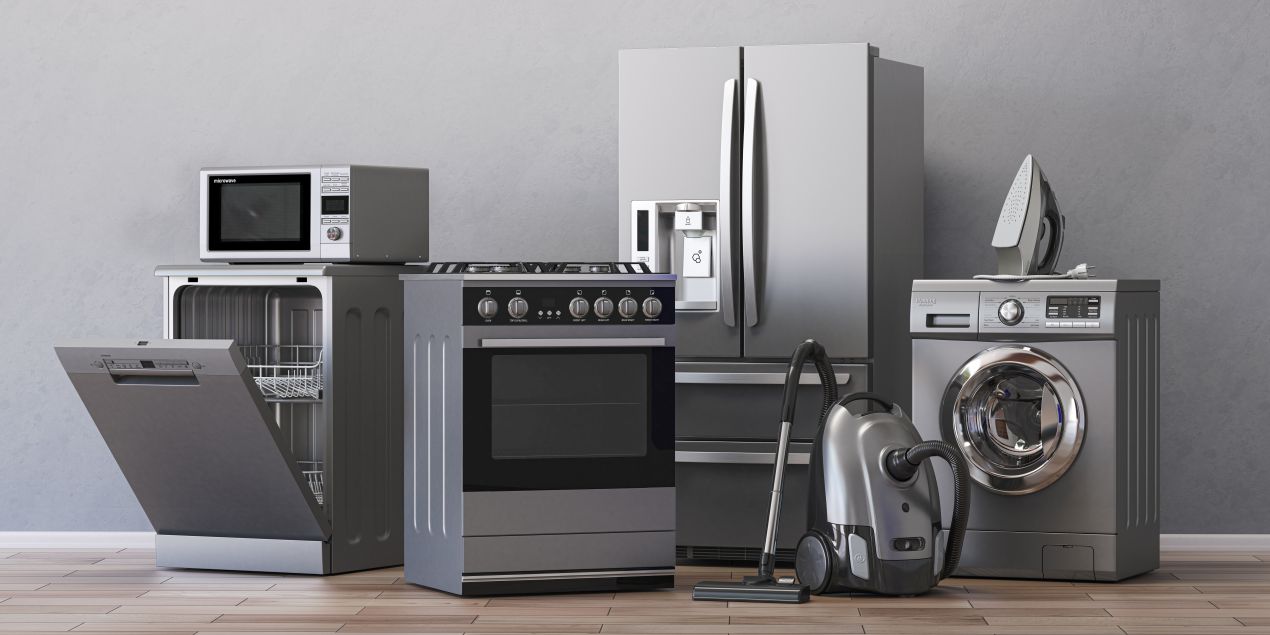
Living in areas like Coquitlam, Port Coquitlam, and Port Moody, we’ve all experienced our fair share of unpredictable weather—from scorching summer heatwaves to heavy rains and even the occasional winter freeze. These conditions can wreak havoc on your household appliances, leading to unexpected breakdowns or reduced efficiency. That’s why it’s crucial to take proactive steps to safeguard them. If you’re dealing with issues already, consider reaching out to a reliable coquitlam appliance repair service to get things back on track. In this article, we’ll dive into practical ways to prepare your appliances for extreme weather, drawing from years of experience helping folks in the Tri-Cities area keep their homes running smoothly.
Extreme weather isn’t just about discomfort; it can cause real damage to appliances that we rely on daily. Think about your refrigerator struggling in a heatwave or your washing machine freezing up in a cold snap. By preparing ahead, you can extend the life of these machines, save on energy bills, and avoid costly repairs. We’ll cover everything from basic maintenance to specific strategies for different weather scenarios. Remember, while DIY tips are great, sometimes professional help is the best route—especially if you’re in our service area and need quick assistance at (604) 359 5952.
Understanding How Extreme Weather Affects Appliances
Before we get into the nitty-gritty, it’s worth understanding why weather matters so much for your appliances. Heat, cold, humidity, and power fluctuations can all play a role. For instance, high temperatures force cooling systems like air conditioners and fridges to work overtime, leading to wear and tear on compressors and fans. On the flip side, freezing conditions can cause pipes in dishwashers or water heaters to crack, resulting in leaks.
Humidity from storms is another culprit—it promotes mold growth in washers and dryers, and can short-circuit electrical components. Power surges during lightning storms? Those can fry circuit boards in everything from ovens to microwaves. In our experience at tricityrepairs.ca, we’ve seen a spike in calls during weather events, often because simple preparations were overlooked.
To start, conduct a general audit of your appliances. Walk through your home and note their ages, models, and any existing issues. Older units are more vulnerable, so prioritize them. Also, check your home’s infrastructure: Is your electrical system up to code? Are vents clear? These basics set the stage for weather-specific prep.
Preparing for Heatwaves: Keeping Cool Under Pressure
Summer in the Tri-Cities can bring sweltering days, pushing your cooling appliances to their limits. Heatwaves not only make your AC unit labor harder but can also affect refrigerators, freezers, and even ovens if they’re in poorly ventilated spaces.
Start with your air conditioner. Clean or replace filters monthly during hot spells to ensure efficient airflow. A clogged filter can increase energy use by up to 15%, according to energy experts. Also, shade the outdoor unit from direct sun—use a cover or plant some bushes nearby, but keep at least two feet of clearance for ventilation.
For refrigerators and freezers:
- Set the fridge to 37°F and freezer to 0°F for optimal performance without overworking the unit.
- Vacuum the coils at the back or bottom every six months to remove dust buildup, which acts like insulation and makes the compressor run hotter.
- Avoid overloading—leave space for air circulation to prevent uneven cooling.
Don’t forget about smaller appliances. Fans and dehumidifiers should be checked for loose parts. If your dehumidifier’s bucket fills quickly in humid heat, empty it regularly to avoid overflow and mold.
In one case we handled last summer, a Port Moody family had their fridge fail during a heatwave because the door seals were worn out, letting hot air seep in. A quick inspection could have prevented that. If you notice unusual noises or inefficiency, it’s time to call in pros like us at tricityrepairs.ca.
Expanding on this, consider the broader impact. Heat can degrade lubricants in motors, leading to seizures. Regularly lubricating moving parts (if your manual allows) or scheduling professional tune-ups can mitigate this. Also, think about smart thermostats—they adjust automatically to weather forecasts, easing the load on your systems.
Bracing for Cold Snaps: Winter-Proofing Your Home Essentials
Winter might not be as brutal here as in other parts of Canada, but cold snaps can still dip below freezing, affecting appliances with water lines or exposed components. In Coquitlam, we’ve repaired countless frozen pipes in washers and dishwashers.
First, insulate exposed pipes. Use foam sleeves on any water lines connected to appliances like your washing machine or ice maker. This prevents freezing and bursting, which could flood your laundry room.
For heating appliances:
- Furnaces and space heaters need clean filters and unobstructed vents. Test them before the cold hits.
- Water heaters should be set to 120°F—higher settings waste energy and risk scalding, while lower ones might not combat the cold effectively.
- Drain outdoor hoses and shut off exterior faucets to avoid backflow into indoor appliances.
Refrigerators in garages or unheated spaces are particularly at risk. Cold air can trick the thermostat into thinking it’s warm enough, causing the compressor to shut off and food to spoil. Move them indoors if possible, or use a garage fridge kit.
We’ve seen dryers struggle in cold weather too—condensation in vents can freeze, blocking airflow. Install insulated vent covers and run the dryer with a load of towels first to warm it up.
On a personal note, I remember a client in Port Coquitlam whose dishwasher froze mid-cycle during a rare deep freeze. The fix was straightforward, but the water damage wasn’t. Preventive measures like letting faucets drip slightly can make all the difference.
Moreover, cold weather increases energy demands. Appliances like ovens might cycle more frequently to maintain heat, so check seals and insulation around doors. For electric models, ensure wiring isn’t brittle from the cold.
Storm and Flood Preparations: Safeguarding Against Water and Wind
Storms bring rain, wind, and potential flooding, which are nightmares for appliances. High winds can down power lines, causing outages, while floods ruin anything on the ground floor.
Elevate appliances if you’re in a flood-prone area. Use risers for washers, dryers, and water heaters to keep them above potential water levels. In our service calls, we’ve noted that even a few inches of water can corrode electrical parts irreparably.
During storms:
- Unplug non-essential appliances to protect against surges—use surge protectors for the rest.
- Secure outdoor units like AC condensers with straps to prevent wind damage.
- For generators, if you have one, test it monthly and keep fuel handy, but never run it indoors.
Post-storm, inspect for water intrusion. Dry out any wet areas immediately to prevent mold. If an appliance was submerged, don’t turn it on—call professionals right away.
Humidity from rains affects microwaves and toasters too. Store them in dry cabinets and use silica packets if needed.
In the Tri-Cities, with our proximity to rivers, flooding isn’t uncommon. One tip: Install sump pumps with battery backups to handle basement appliances during power outages.
Expanding further, consider wind’s indirect effects. Debris can clog vents, so clear your yard before storms. For rooftop units, ensure they’re anchored properly.
Protecting Against Power Surges and Outages
No matter the weather, power issues are a common thread. Surges can spike voltage, damaging sensitive electronics in appliances.
Invest in whole-home surge protectors installed at your electrical panel. For individual items, use power strips with built-in protection.
During outages:
- Keep fridge and freezer doors closed— a full freezer can hold cold for 48 hours.
- Use battery-powered lights instead of generators for short outages.
- Once power returns, wait a few minutes before plugging everything back in to avoid simultaneous loads.
We’ve repaired many surge-damaged control boards—simple protectors could have saved hundreds.
General Maintenance Tips for Year-Round Resilience
Beyond weather-specific prep, routine care is key.
- Clean vents and filters quarterly.
- Check seals and gaskets for wear.
- Schedule annual professional inspections.
Use energy-efficient models if replacing old ones—they handle extremes better.
When to Call the Professionals
If prep fails or issues arise, don’t hesitate. Signs like strange noises, leaks, or inefficiency warrant a call. At tricityrepairs.ca, serving Coquitlam, Port Coquitlam, and Port Moody.
Conclusion: Stay Ahead of the Weather
Preparing appliances for extreme weather saves time, money, and stress. By following these tips, you’ll keep your home humming through any condition. Remember, for expert help, reach out to us—we’re your local pros.