

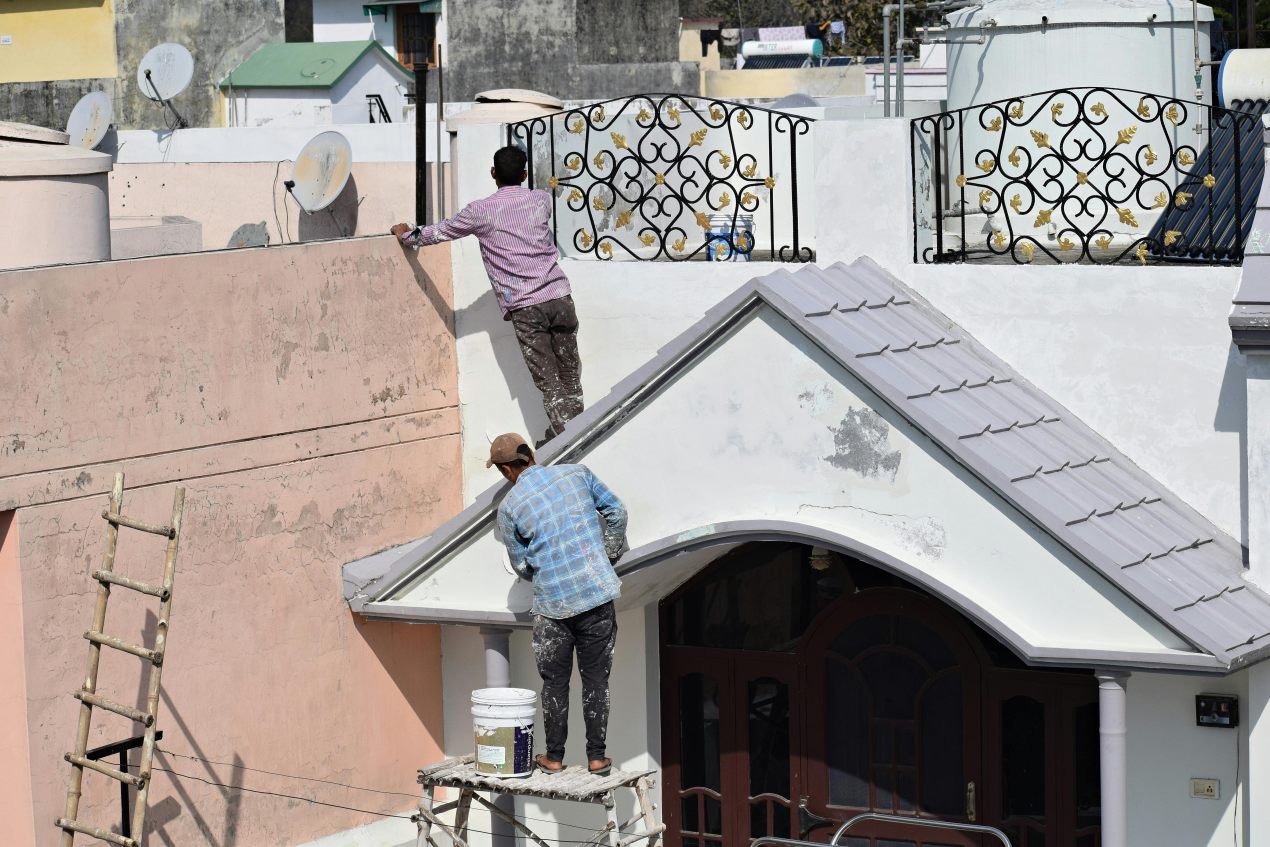
Taking care of your home’s roof and exterior paint doesn’t have to be hard or expensive. Small, regular efforts can keep your house safe, comfortable, and protected for the whole family. Many families turn to experienced Sydney roofing and painting professionals like TQN Construct for guidance and support, but it’s also helpful to learn the basics of roofing and painting care yourself.
In this guide, we share practical roofing and painting maintenance tips that every family should know. We focus on safety, comfort, and long-term protection without using complex terms.
Understanding Your Roof: Your Home’s Primary Protection
Your roof is your home’s first defense against weather. Understanding how it works and what it needs helps you protect your family and investment.
Simple Roof Checks You Can Do
Basic roof maintenance prevents big problems later. Walk around your property every few months and look up at your roofline. Check for:
- Missing, cracked, or displaced tiles
- Rust spots on metal roofing
- Sagging sections or uneven areas
- Debris accumulation in valleys
- Water stains on ceilings inside your home
These signs point to early problems that are easier and cheaper to fix when caught early.
Gutter Care Prevents Roof Damage
Clean gutters are essential for roof protection. Clogged gutters cause water backup that damages roofs, fascia, and walls.
Seasonal gutter maintenance:
- Clear leaves and debris twice yearly (autumn and spring)
- Check that downpipes drain away from your house
- Look for rust or deterioration
- Ensure gutters are securely attached
Blocked gutters are one of the most common causes of roof leaks and water damage in family homes.
When DIY Roof Work Becomes Dangerous
Some roof tasks are safe to handle yourself:
- Visual inspections from ground level
- Cleaning accessible gutters
- Documenting damage with photos
- Removing branches near your roof
However, some repairs should be handled by trained experts. Working on roofs, replacing tiles, fixing flashing, and investigating leaks can be risky. Trusted roof restoration and exterior painting specialists have proper safety equipment and insurance. Doing roof work without proper knowledge may cause injury or additional damage.
A good rule is simple: if a repair involves heights, structural elements, or you’re unsure, get expert help.
Exterior Painting: Your Home’s Protective Barrier
Exterior paint isn’t just about appearance—it’s a protective system that shields your home from moisture, UV damage, and deterioration.
Why Paint Maintenance Matters
Quality exterior paint protects:
- Timber from rot and decay
- Metal from rust and corrosion
- Walls from moisture penetration
- Your home’s structure from UV damage
When paint fails, these materials deteriorate rapidly, leading to expensive repairs.
Paint Warning Signs Every Family Should Know
Look for these signs during seasonal checks:
- Peeling or bubbling: Paint lifting from surfaces means moisture is getting behind it.
- Chalking: White residue on your fingers when you touch painted surfaces shows paint breakdown.
- Cracking: Small cracks around windows, doors, and trim let water into vulnerable areas.
- Fading: Severe color loss indicates UV damage has compromised the paint’s protective qualities.
- Mould growth: Green or black spots on painted surfaces signal moisture problems underneath.
Catching these problems early prevents structural damage and reduces repainting costs.
Seasonal Paint Checks
Each season creates different challenges for exterior paint:
- Summer: Check south and west-facing walls where sun exposure is strongest. Look for rapid fading and heat-related cracking.
- Autumn: Seal any cracks before winter moisture arrives. Touch up small damaged areas before they expand.
- Winter: After heavy rain, look for bubbling paint or water stains indicating moisture behind surfaces.
- Spring: Assess winter damage and plan any repainting projects for mild weather.
Seasonal awareness helps you catch problems before they become major issues.
Roofing and Painting Working Together
Your roof and exterior paint work as an integrated protection system. Problems with one often affect the other.
- Roof leaks damage paint: Water from failed roofing runs down walls, destroying paint and causing rot behind exterior surfaces.
- Paint failure exposes roofing connections: Deteriorating paint on eaves and fascia leaves timber vulnerable, which can compromise roof structure.
- Coordinated maintenance saves money: Addressing both systems together means single scaffolding setup and comprehensive protection.
Companies like TQN Construct emphasise that homeowners who maintain both roofing and painting together spend less over time and avoid cascading damage.
Family-Focused Safety Around Roofing and Painting
Homes with children need extra care around roofing and painting maintenance.
Roof Safety for Families
- Never let children climb on roofs or in roof spaces
- Keep ladders stored securely when not in use
- Check roof access points are secure
- Address roof leaks immediately—they create slip hazards and mould
- Ensure gutters don’t overflow near pathways where children play
Paint Safety for Families
- Don’t let children touch peeling paint (older paint may contain lead)
- Address mould growth on painted surfaces promptly
- Ensure painted surfaces are smooth and splinter-free
- Keep painting supplies stored safely away from children
- Ventilate rooms well during any interior painting
Tools for Basic Roofing and Painting Checks
You don’t need professional equipment for basic maintenance checks. Keep these items handy:
For roof inspections:
- Binoculars for ground-level roof viewing
- Camera or phone for documenting problems
- Sturdy gloves for gutter cleaning
- Safe ladder for accessible areas only
For paint checks:
- Screwdriver for testing soft spots
- Caulking gun for minor seal repairs
- Quality exterior caulk
- Touch-up paint in your home’s colors
Having these tools ready makes regular checks easier and safer.
Building Good Maintenance Habits
Good roofing and painting care is about consistency. Small practices done regularly prevent major problems.
Monthly habits:
- Quick visual check of roof and exterior paint from ground level
- Note any changes or new damage
- Check gutters after storms
Seasonal habits:
- Detailed walk-around inspection
- Clean gutters twice yearly
- Check paint around windows and doors
- Document condition with photos
Annual habits:
- Professional inspection of roofing system
- Assessment of exterior paint condition
- Plan any needed repairs or repainting
Over time, these habits become routine and protect your home from expensive damage.
When to Call Professionals
Knowing when to call a roofing company in Charlotte prevents costly mistakes:
Call roofing professionals for:
- Active leaks or ceiling stains
- Missing or damaged tiles
- Storm damage assessment
- Flashing repairs
- Any work requiring climbing on the roof
Call painting professionals for:
- Complete exterior repainting
- Extensive peeling or damage
- Two-storey painting work
- Areas showing rot or structural issues
- Large-scale prep work
Professional work includes warranties and insurance protection that DIY efforts don’t provide.
Conclusion
Roofing and painting care doesn’t require fancy equipment or large budgets. With consistent attention, basic checks, and prompt professional help when needed, you can protect your home and family for decades.
Start with simple monthly visual checks. Build seasonal habits. Address small problems before they become major repairs. Your roof and exterior paint are your home’s primary defenses—treat them with the care they deserve.
Good maintenance prevents stress, protects your investment, and keeps your family safe and comfortable. By learning these basics and knowing when to call experts, you’re taking important steps toward responsible homeownership that benefits your whole family.