

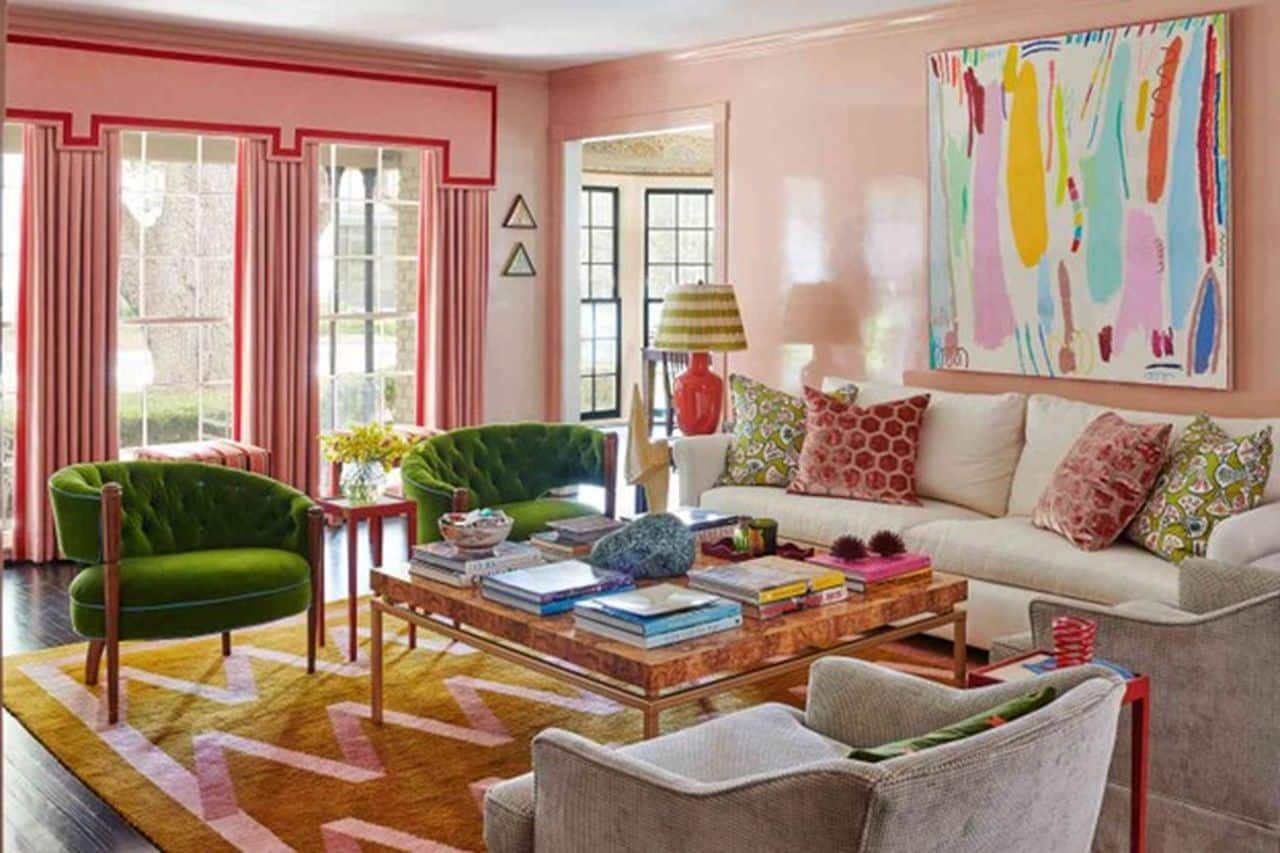
In a world obsessed with sleek lines, spotless finishes, and polished perfection, a quiet rebellion is brewing among interior designers. Increasingly, the allure of flawless surfaces is losing its charm, and designers are gravitating toward materials that embrace texture, imperfection, and the natural signs of aging.
The Emotional Pull of Imperfection
Studies show that humans are naturally drawn to things with character and depth. A 2023 survey by the Design Institute found that 68% of homeowners preferred materials that felt “authentic” over those that looked factory-perfect. Designers are picking up on this preference, understanding that surfaces that show natural variation—like a slightly uneven Silver Travertine Stone countertop sourced from trusted suppliers or weathered wood flooring—create a sense of warmth and personality in a space.
Imperfection conveys a story. It hints at time, history, and the human touch. That’s why textures like raw plaster, hand-finished tiles, and natural stone have made a strong comeback. Unlike polished surfaces that feel cold and uniform, these materials invite touch and interaction.
Texture Over Gloss
Texture has become the star of modern interiors. From rough-hewn stone walls to tactile fabrics, designers are finding that texture adds depth, contrast, and visual intrigue to rooms. A plain glossy surface may reflect light, but it rarely evokes emotion. In contrast, materials like limestone, reclaimed wood, or matte ceramics bring a multi-sensory experience that engages both sight and touch.
Stone countertops, for instance, have seen a resurgence not just for their durability but for their character. High-quality suppliers, including stonecenters.com, offer limestone and other natural stones that feature subtle veining and surface variations, adding a bespoke touch to kitchens and bathrooms without feeling overly engineered.
Aging Gracefully
The idea of “aging gracefully” has migrated from fashion to interiors. Designers now celebrate patina, rust, and weathered finishes as assets rather than flaws. A copper light fixture that develops verdigris, a wooden tabletop with faint scratches, or stone tiles with slight irregularities all signal authenticity. In effect, these materials age like fine wine, enhancing the space rather than degrading it.
Practical Tips for Embracing Imperfection
- Mix textures: Pair smooth and rough materials to create contrast and depth. A rough stone wall with soft linen furniture, for example, balances tactile interest with comfort.
- Layer natural materials: Wood, stone, and metals in varying tones can prevent a room from feeling sterile.
- Focus on function: Imperfections should feel intentional. Choose materials that are durable yet visually expressive.
- Highlight uniqueness: Instead of covering marks or veining, use lighting and layout to accentuate these features.
Real-World Applications
Restaurants and boutique hotels are leading the way in this trend. Exposed stone walls, reclaimed wooden bars, and artisanal ceramics are not just aesthetic choices—they are experiential. Visitors often comment on the “human feel” of such spaces, proving that imperfection resonates on a deeper level.
Even residential projects are embracing this philosophy, mirroring trends seen across larger architectural projects. Kitchens now feature natural stone countertops with subtle color shifts rather than uniform quartz slabs. Living rooms favor furniture that shows hand craftsmanship over mass-produced perfection. These choices not only create a signature look but also make spaces feel lived-in and inviting.
Conclusion
The era of spotless, uniform surfaces is fading. Designers and homeowners alike are realizing that perfection can be impersonal, whereas natural textures, visible craftsmanship, and aging materials bring emotion and authenticity. By welcoming imperfections, interiors become richer, more tactile, and more engaging. The shift is subtle yet powerful, proving that sometimes, beauty lies in the flaws.