

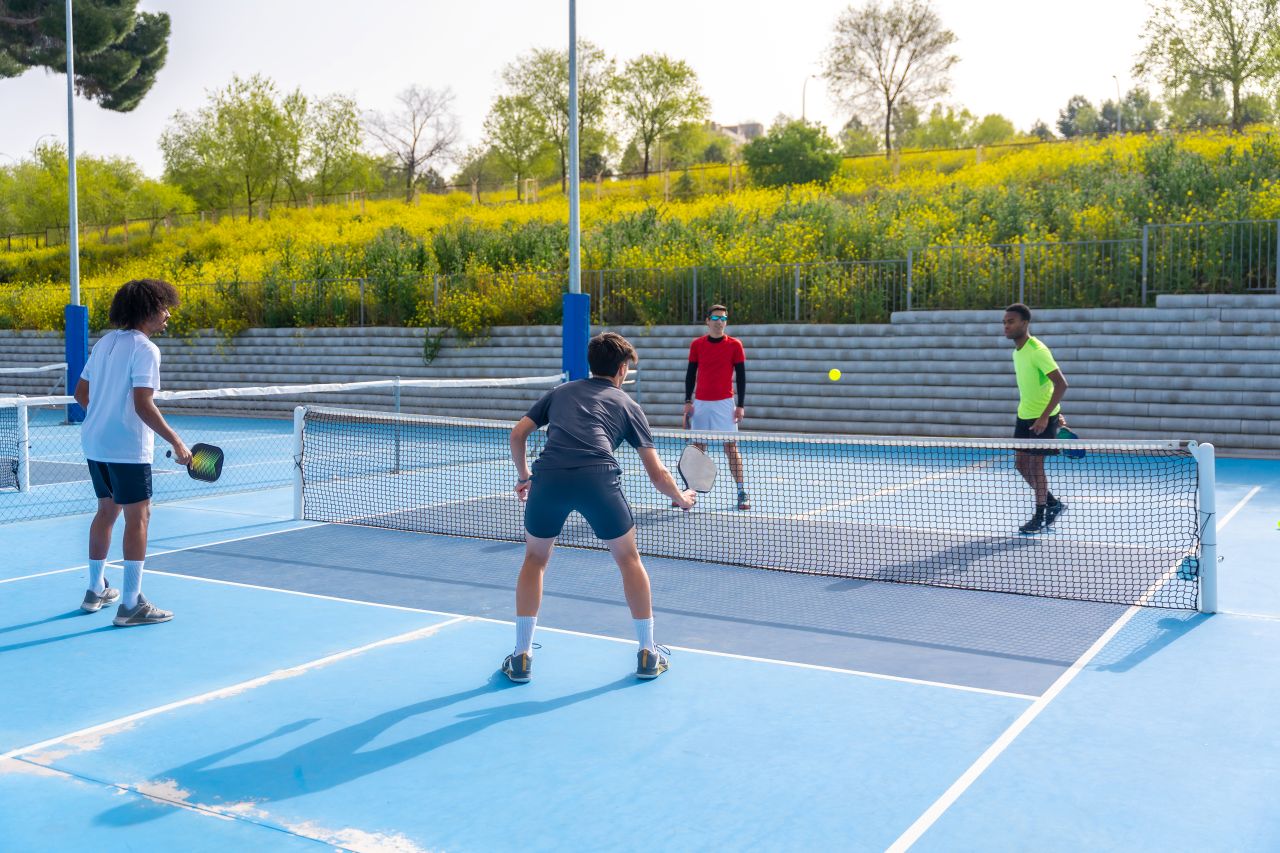
Pickleball has become one of the most rapidly adopted recreational sports in the United States, especially at the neighborhood and community level. Its growth is not driven by elite competition or media coverage, but by everyday players looking for an activity that is social, low-barrier, and easy to sustain over time. As more people integrate pickleball into their weekly routines, the relationship between the sport and the gear used to play it has become more personal and more meaningful.
This shift is also why interest in custom pickleball gifts has emerged naturally within pickleball communities. These items are rarely about novelty. Instead, they reflect how deeply the sport is woven into people’s social lives, routines, and shared spaces. Customization appears where the sport intersects with identity, memory, and belonging, not where performance needs to be maximized.
Why is Pickleball Expanding So Quickly?
Pickleball grows because it removes many of the friction points found in other sports. The learning curve is short, the court is compact, and the pace of play is adjustable. New players can participate almost immediately without extensive instruction or conditioning, which reduces drop-off and increases retention.
Another factor is infrastructure compatibility. Pickleball fits into existing recreational layouts, making it easier for municipalities and neighborhoods to support. Standards promoted by USA Pickleball help communities create consistent courts without overhauling entire facilities. This combination of ease, adaptability, and standardization explains why pickleball spreads quickly once introduced.
How Does Community Shape the Pickleball Experience?
Pickleball is structured around shared play. Rotational formats, short games, and mixed-skill participation encourage interaction rather than isolation. Unlike sports that prioritize fixed teams or long matches, pickleball constantly reshuffles players, which naturally builds familiarity and trust.
This structure makes pickleball more than exercise. It becomes a social anchor. Players associate specific courts with friendships, routines, and milestones. Because the game is played in close proximity and often in shared public spaces, the social environment directly influences how players think about their equipment and how it represents them within the group.
Why Does Pickleball Gear Feel More Noticeable?
Pickleball equipment is minimal by design. A paddle, a ball, and a net are enough to play. Because there are so few items involved, each one carries more functional and psychological weight. Players quickly notice differences in grip comfort, paddle balance, surface texture, and even sound.
As players gain experience, they stop thinking about gear as interchangeable. Familiar equipment reduces mental load during play. This is why personalization often appears after a player feels socially settled in the game. Custom elements help reinforce comfort and recognition in shared environments where many players bring similar gear.
Where Does Customization Actually Add Value?
Customization in pickleball tends to solve practical problems before aesthetic ones. On busy courts, clearly identifiable paddles and bags reduce confusion. In shared storage areas, labeled gear prevents accidental swaps. These are small adjustments, but they support smoother play and fewer interruptions.
Beyond logistics, customization supports identity within a group. Players often associate certain designs or markings with specific clubs, neighborhoods, or weekly games. These signals help players feel grounded in a community rather than anonymous within it.
How Does Pickleball Culture Influence Custom Gear Choices?
Pickleball culture emphasizes approachability and inclusion. Custom gear reflects this by avoiding exclusivity. Most players are not trying to stand out as elite. They are signaling participation and belonging.
This cultural tone explains why customization in pickleball often centers on shared experiences rather than individual achievement. A personalized item might reference a local league, a recurring open-play group, or a community event. These choices reinforce social bonds rather than competitive hierarchy.
Can Personalization Affect How People Play?
Personalization rarely changes technique or outcomes, but it can change how players feel on the court. Familiar, clearly identifiable gear reduces uncertainty and distraction. When players are not worrying about whether they grabbed the right paddle or misplaced a bag, they stay focused on play and interaction.
In community settings, this has a compounding effect. Fewer interruptions mean smoother rotations and better energy overall. Customization supports flow rather than performance optimization.
What Should Guide Thoughtful Customization?
The most effective customization aligns with how often and where someone plays. Regular community players benefit from practical personalization that supports shared use. Casual players often prefer subtle adjustments that do not require extra maintenance or explanation.
It is also important to respect the simplicity of the sport. Pickleball thrives because it is easy to show up and play. Custom gear should reduce friction, not add complexity. When personalization feels seamless, it enhances rather than distracts.
How Does Pickleball Gear Reflect Long-term Engagement?
Over time, players associate equipment with specific stages of their pickleball journey. Early paddles remind them of learning phases. Later gear reflects settled routines and social attachment. Custom elements often mark this transition from experimentation to belonging.
In this way, gear becomes a record of participation. It reflects where someone plays, who they play with, and how the sport fits into their life. This emotional layer explains why customization holds meaning beyond aesthetics.
What Does the Future Look Like for Pickleball and Custom Gear?
As pickleball continues to expand, customization will likely grow alongside it without overwhelming the sport. Because pickleball prioritizes accessibility, personalization will remain understated and functional.
More community courts, school programs, and neighborhood leagues will create shared experiences worth marking. Custom gear will continue to reflect those moments rather than redefine the sport itself.
Final Thoughts
Pickleball’s rapid rise is rooted in its simplicity, social structure, and adaptability. Customization fits into this ecosystem when it supports recognition, comfort, and shared identity. Rather than changing how the game is played, thoughtful personalization reflects how deeply the sport has become part of everyday community life.
As pickleball continues to connect people across ages and backgrounds, custom gear will remain a quiet signal of belonging, routine, and shared enjoyment rather than competition or status.