

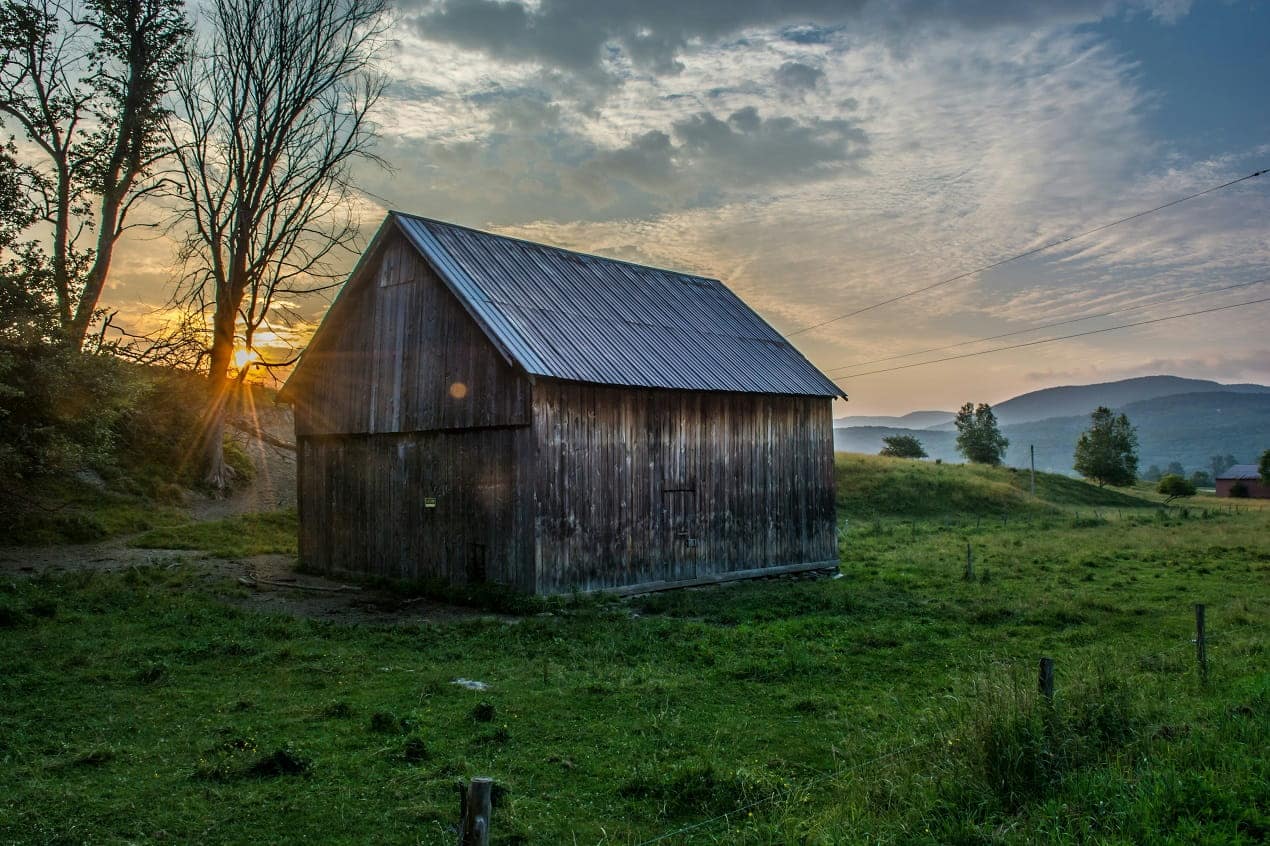
When it comes to adding backyard storage, most homeowners assume a shed is a shed. But once you start comparing designs, you quickly realize there are meaningful differences that impact functionality, durability, and long-term value. One of the most common comparisons is between traditional utility sheds and barn-style sheds.
If you’ve been browsing options like professionally built barn-style sheds, you’ve probably noticed the distinct roof shape and added height. That design isn’t just for looks. It plays a major role in how the shed performs and how much usable space you actually get.
Before you commit to a backyard structure, here’s what you should know about how barn-style sheds stack up against standard storage models.
The Key Structural Difference
The most noticeable difference between a barn-style shed and a standard utility shed is the roofline.
Utility sheds typically feature:
- A simple gable roof
- Even wall height on all sides
- A straightforward rectangular interior
Barn-style sheds, on the other hand, use a gambrel roof design. This creates:
- More vertical clearance
- Optional loft space
- Increased overhead storage potential
That extra roof height translates into more flexibility inside the structure.
Why Vertical Space Matters More Than You Think
Many homeowners underestimate how quickly floor space disappears. Large items such as:
- Lawn tractors
- Snow blowers
- Wheelbarrows
- Workbenches
can take up most of the ground-level area in a standard shed.
With barn-style sheds, the higher center ceiling allows for overhead storage or loft integration. This means seasonal items and smaller gear can move upward instead of competing for floor space.
The result is a cleaner, more usable main level.
Storage Efficiency Over Time
Standard sheds work fine for light storage needs. But as families accumulate tools, outdoor equipment, and recreational gear, storage demands grow.
Barn-style sheds provide long-term adaptability. You can:
- Add shelving along higher walls
- Install a partial loft
- Keep tall equipment comfortably inside
Instead of upgrading to a larger footprint later, many homeowners find that a barn-style design prevents the need for expansion.
Accessibility and Door Options
Accessibility is often overlooked until it becomes a problem. Standard sheds with lower roof clearance may limit door height options.
Barn-style sheds often allow for:
- Taller double doors
- Better clearance for equipment entry
- Easier movement of bulky items
If you plan to store riding mowers or larger machinery, that additional headroom makes daily use much smoother.
Appearance and Curb Appeal
Backyard structures are visible. Whether from your home’s windows or from the street, your shed contributes to overall property appearance.
Barn-style sheds offer a more distinctive look that many homeowners prefer. The curved roofline gives a classic, almost rustic aesthetic that pairs well with:
- Suburban homes
- Rural properties
- Farmhouse-style architecture
Utility sheds provide a clean, simple look, but barn-style sheds often feel more intentional and architectural.
Cost Considerations
One reason some homeowners choose utility sheds is upfront cost. They are often slightly less expensive due to their simpler design.
However, cost comparisons should consider long-term value. A barn-style shed may cost a bit more initially, but it can:
- Eliminate the need for additional storage units
- Reduce clutter and reorganization
- Adapt to future storage demands
When viewed as a long-term solution rather than a short-term fix, barn-style sheds often provide better overall value.
Ideal Use Cases for Barn-Style Sheds
Barn-style sheds are especially practical for homeowners who:
- Store tall equipment
- Need seasonal overhead storage
- Want workshop flexibility
- Plan to expand usage over time
The additional vertical clearance makes them more versatile than standard utility sheds.
Workshop Potential
If you ever plan to use your shed as more than just storage, barn-style designs offer a clear advantage.
The higher ceiling allows for:
- Pegboard tool walls
- Taller shelving units
- Better ventilation circulation
- Improved lighting placement
Even small workshops feel more open when ceiling height increases.
Durability and Roof Performance
The gambrel roof design also helps with water runoff. Steeper roof sections allow rain and snow to shed more efficiently than flatter designs.
Properly constructed barn-style sheds are engineered to support their roof structure safely. Reinforced framing and balanced truss systems ensure durability.
As with any shed, quality materials and professional construction matter.
Space Planning Tips Before You Buy
Before choosing between a standard shed and a barn-style model, ask yourself:
- What large items will live inside?
- Will you need overhead storage in the future?
- Could this space become a workshop or hobby area?
Thinking ahead prevents outgrowing your shed too quickly.
Zoning and Height Restrictions
Because barn-style sheds are taller, it’s important to check local height regulations before installation.
Most residential areas allow standard shed heights, but confirming setbacks and maximum structure height ensures a smooth installation process.
Final Thoughts
Choosing the right shed style isn’t just about price or appearance. It’s about how the structure supports your lifestyle and storage needs over time.
While utility sheds serve basic storage purposes well, barn-style sheds provide greater vertical space, flexibility, and long-term usability. For homeowners looking to maximize backyard efficiency without expanding their footprint, they are often the smarter choice.
If you’re comparing options, reviewing professionally built barn-style sheds can help you see firsthand how thoughtful design transforms simple storage into a more functional, adaptable space.