

Residential living has changed dramatically in the past decade. Online shopping, subscription services, grocery delivery, and same-day shipping have turned apartment buildings and housing communities into daily logistics hubs. What was once occasional mail has become a steady flow of parcels arriving morning through evening.
As delivery volume continues to rise, traditional mailrooms are struggling to keep pace. Handwritten logs, manual notifications, and overcrowded storage rooms were not designed for sustained parcel growth. To adapt, many residential properties are implementing digital parcel management software to replace manual handling with automated, system-driven workflows.
“Modern residential buildings are not just homes. They are distribution points.”
Why Delivery Volume Is No Longer Seasonal
In the past, package surges were predictable around holidays. Today, high delivery volume is constant. Residents order clothing, electronics, meal kits, pet supplies, and household essentials year-round.
Several factors contribute to this ongoing increase:
- Growth in e-commerce
- Flexible work-from-home schedules
- Subscription-based purchasing
- Faster delivery expectations
Buildings that treat high-volume as temporary often become overwhelmed.
Where Traditional Mailrooms Break Down
Manual mailroom systems depend heavily on staff attention and memory. As volume increases, small inefficiencies quickly become daily problems.
Common issues include:
- Delayed resident notifications
- Misplaced packages
- Overflowing storage areas
- Repeated resident inquiries
- Disputes over missing items
Without structured workflows, errors compound.
“Volume exposes weaknesses in systems that once seemed manageable.”
What Makes a Mailroom Digital
A digital mailroom does not simply replace paper logs with spreadsheets. It introduces automation and accountability at every step of the parcel journey.
Digital mailrooms typically include:
- Immediate digital logging at intake
- Automatic resident notifications
- Recorded storage locations
- Verified pickup confirmation
- Searchable delivery records
This structure ensures consistency even during peak periods.
Manual vs Digital Mailroom Operations
| Operational Area | Manual Process | Digital Mailroom |
| Intake logging | Paper or delayed entry | Real-time digital logging |
| Notifications | Staff sent | Automatic |
| Storage tracking | Informal | Logged and searchable |
| Pickup | Staff assisted | Verified self-service |
| Oversight | Reactive | Data-driven |
Digital systems eliminate variability, the primary cause of mailroom friction.
Faster Notifications Reduce Storage Pressure
One of the most immediate benefits of digital mailrooms is automatic notification. When residents know their packages have arrived instantly, pickup happens sooner.
Faster pickup reduces:
- Storage congestion
- Package stacking
- Risk of misplaced items
- Staff interruptions
Turnover speed matters more than storage size.
“The faster packages move out, the less pressure the building feels.”
Self-Service Improves Daily Convenience
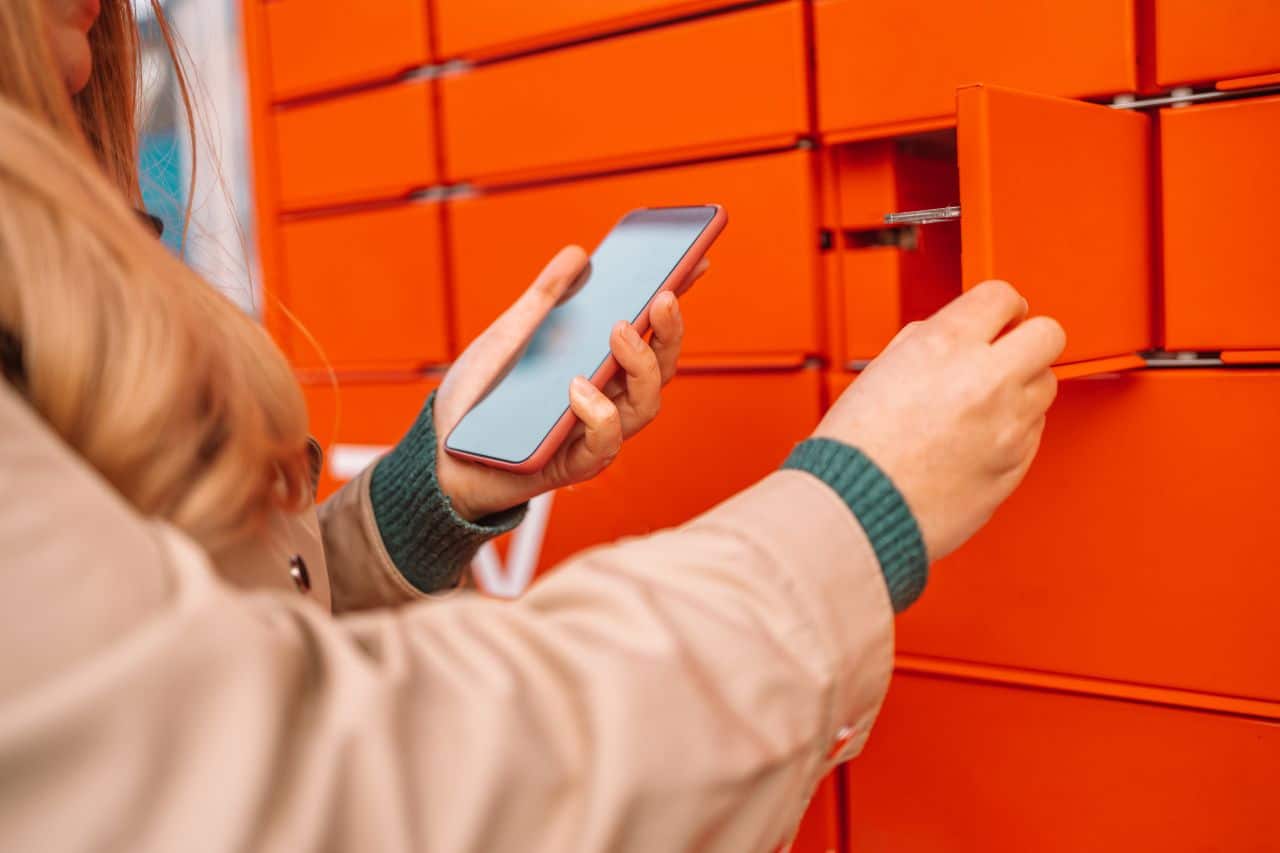
Digital mailrooms often support structured self-service pickup. Residents can retrieve parcels at convenient times without waiting for staff assistance.
Self-service works best when supported by:
- Clear digital instructions
- Secure verification
- Organized storage layout
- Real-time status updates
This flexibility aligns with modern living patterns.
Reducing Staff Workload
Front desk and property teams already manage maintenance requests, visitor access, and resident communication. Manual parcel handling adds repetitive work.
Digital systems reduce staff involvement by:
- Eliminating manual notification tasks
- Providing searchable logs
- Standardizing intake processes
- Reducing package-related questions
Staff can focus on service rather than tracking.
Data Enables Better Planning
Digital mailrooms generate useful data that manual systems cannot provide. Property managers gain visibility into delivery trends and operational bottlenecks.
Valuable insights include:
- Daily and peak parcel volume
- Average pickup time
- Storage capacity usage
- Exception frequency
Data allows proactive decision-making rather than reactive troubleshooting.
“You cannot manage growth without visibility.”
Preparing for Continued Growth
Delivery volume is unlikely to decline. Buildings that adopt digital mailroom systems early are better prepared for future increases.
Digital systems scale by:
- Handling higher intake without added staff
- Maintaining consistent workflows
- Supporting temporary or rotating personnel
- Providing centralized oversight across properties
Scalability ensures long-term stability.
Supporting Resident Experience
Residents rarely think about mailroom systems when they work well. They simply experience:
- Prompt notifications
- Easy pickup
- Organized storage
- Confidence in delivery security
When systems fail, frustration rises quickly.
“The quality of daily life often depends on small operational details.”
Conclusion
Rising delivery volumes are reshaping residential operations. Traditional mailrooms designed for low-volume environments cannot keep pace with the current growth of e-commerce and on-demand services.
Digital mailrooms meet this challenge by automating intake, accelerating communication, improving visibility, and reducing staff workload. They transform parcel handling from a daily frustration into a predictable, manageable system.
As residential delivery volume continues to grow, digital mailrooms will no longer be optional upgrades. They will be essential infrastructure for modern living.