

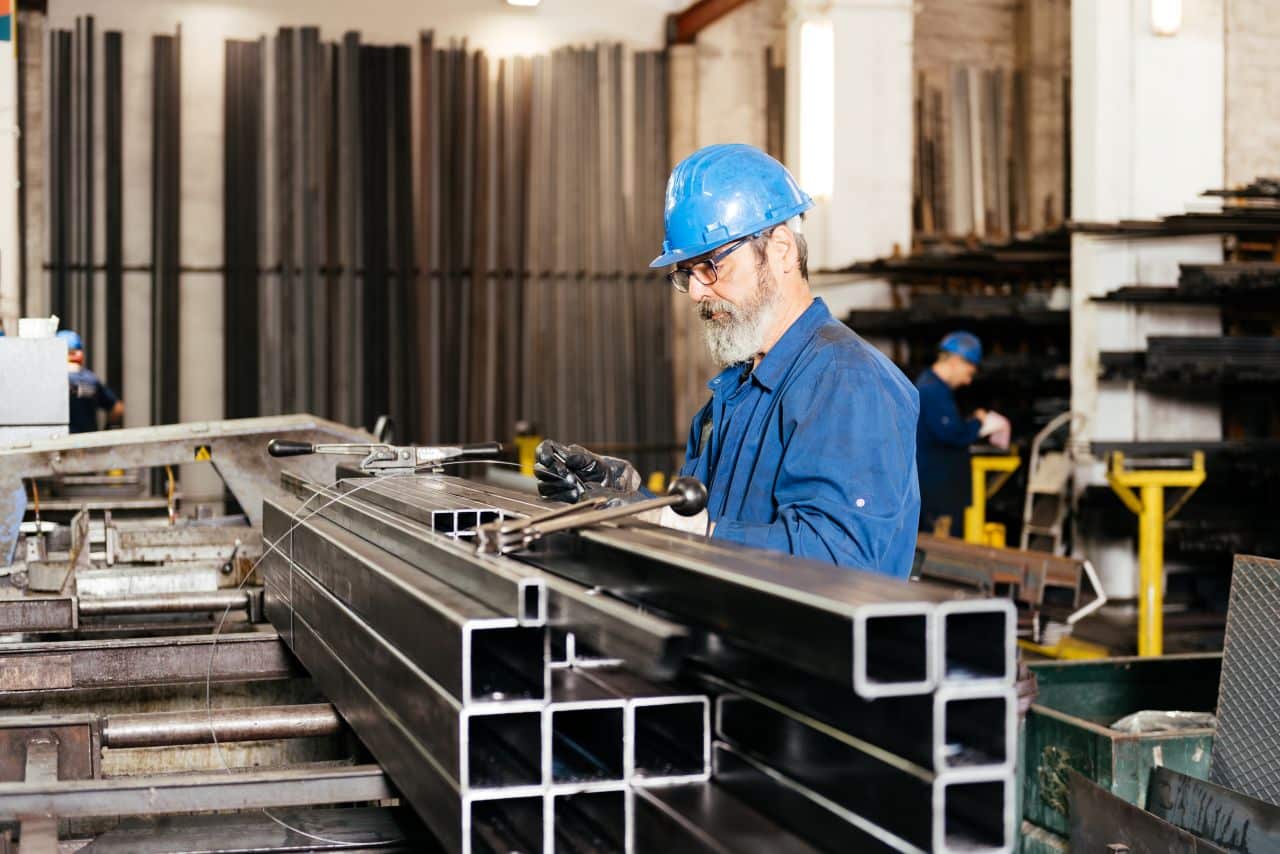
Metal materials directly affect strength, corrosion resistance, weight, fabrication cost, and service life. A table frame in a dry living room does not need the same performance level as a pipe in a chemical plant. Selecting the correct metal reduces maintenance, prevents failure, and controls long-term cost. The decision should start with the working environment, required strength, and exposure to moisture, chemicals, or heat.
In this article, you will learn how to compare stainless steel, carbon steel, aluminum, and nickel-based alloys for residential and industrial use. The guide explains how environment, strength, fabrication, and cost influence material selection so you can choose the right metal for your specific project.
What Are the Main Types of Metal Materials Used in Home and Industrial Projects?
Most projects use one of four material families: stainless steel, carbon steel, aluminum, or nickel-based alloys. Each behaves differently under load and environmental stress.
Stainless Steel contains chromium, which forms a thin oxide layer that slows corrosion. It is used in kitchens, railings, tanks, and food-processing equipment. Carbon Steel offers high strength at a lower cost but rusts easily without coating. Aluminum is lighter than steel and resists corrosion naturally, making it suitable for lightweight frames and panels. Nickel-based alloys are selected for high heat and aggressive chemical exposure.
For residential furniture, stainless steel and aluminum are common due to appearance and corrosion resistance. For industrial structures and machinery, carbon steel and nickel alloys are used where load capacity and durability under stress are required.
Which Metal Is Best for Home Furnishings?
Metal in furniture must resist bending, surface damage, and indoor humidity. The correct choice depends on use location and load requirements.
Stainless steel works well in kitchens, bathrooms, and near outdoor spaces because it resists moisture. It maintains strength and surface quality over time. Carbon steel is often used for table legs, bed frames, and shelving because it is strong and affordable. However, it must be powder coated or painted to prevent rust. Aluminum is suitable for lightweight chairs, modular furniture, and decorative trims because it is easy to handle and install.
In industrial settings connected to residential infrastructure, such as heating or processing systems, components like nickel alloy pipe are selected when high temperature and corrosion resistance are critical. Nickel-based alloys maintain strength under heat and resist aggressive media better than standard steel, which makes them suitable for demanding applications.
Important checks before choosing metal for furniture include:
- Thickness or gauge
- Weld quality
- Surface finish
- Exposure to humidity
- Load capacity
A thin carbon steel frame with poor coating can rust quickly in humid rooms. Stainless steel may have a higher upfront price but lowers long-term maintenance needs.
How Does the Environment Affect Metal Selection?
The environment determines corrosion rate, thermal expansion, and fatigue behavior. Indoor dry spaces allow more flexibility in material choice. Humid, coastal, or chemical environments require higher corrosion resistance.
Carbon steel rusts when it comes into contact with moisture and air. Protective methods such as painting or galvanizing are required in outdoor use. Stainless steel resists rust but can still corrode if exposed to chlorides in marine areas. Aluminum forms a stable oxide layer that protects it in most atmospheric conditions.
Industrial environments require closer evaluation. High temperatures reduce metal strength. Repeated load cycles cause fatigue. Chemical exposure can attack weak alloy compositions. In these cases, nickel-based alloys provide higher resistance to both heat and corrosion.
How Do Fabrication and Processing Influence Final Performance?
Fabrication changes metal properties. Welding introduces heat, which can reduce strength in the affected zone if not controlled. Machining affects surface smoothness and dimensional accuracy. Heat treatment can increase hardness and improve fatigue resistance.
Furniture manufacturers often need metal in forms such as tubes, flat bars, or sheets. Industrial buyers may require pipes, plates, or structural sections. Precision cutting and surface preparation reduce installation problems.
Before purchasing, confirm:
- Required dimensions
- Surface treatment
- Welding compatibility
- Certification or material test reports
Poor processing can weaken even a strong alloy.
How Can You Select the Right Metal for Your Specific Project?
Use a clear evaluation process:
- Identify the environment: Determine whether the metal will face moisture, chemicals, high temperature, or indoor dry conditions.
- Define performance requirements: Decide required load capacity, corrosion resistance, and expected lifespan.
- Compare material options: Stainless steel for corrosion resistance, carbon steel for strength and cost control, aluminum for low weight, and nickel alloys for extreme industrial exposure.
- Confirm fabrication needs: Ensure the material is available in the correct form and thickness.
- Consider the lifecycle cost: A cheaper metal may require frequent replacement or maintenance.
Metal materials should match the application, not just the budget.
Conclusion
Selecting the correct metal for home furnishings or industrial applications improves durability and reduces long-term cost. Stainless steel provides corrosion resistance for humid spaces. Carbon steel delivers strength at lower cost when properly protected. Aluminum reduces weight and simplifies installation. Nickel-based alloys handle extreme industrial conditions. Evaluating environment, strength, fabrication method, and maintenance requirements ensures reliable performance over time.