

Energy efficiency, equipment longevity, and workplace safety are no longer optional considerations in commercial and industrial construction. Owners, facility managers, and design professionals are under increasing pressure to reduce operational costs while meeting stricter safety standards and sustainability goals.
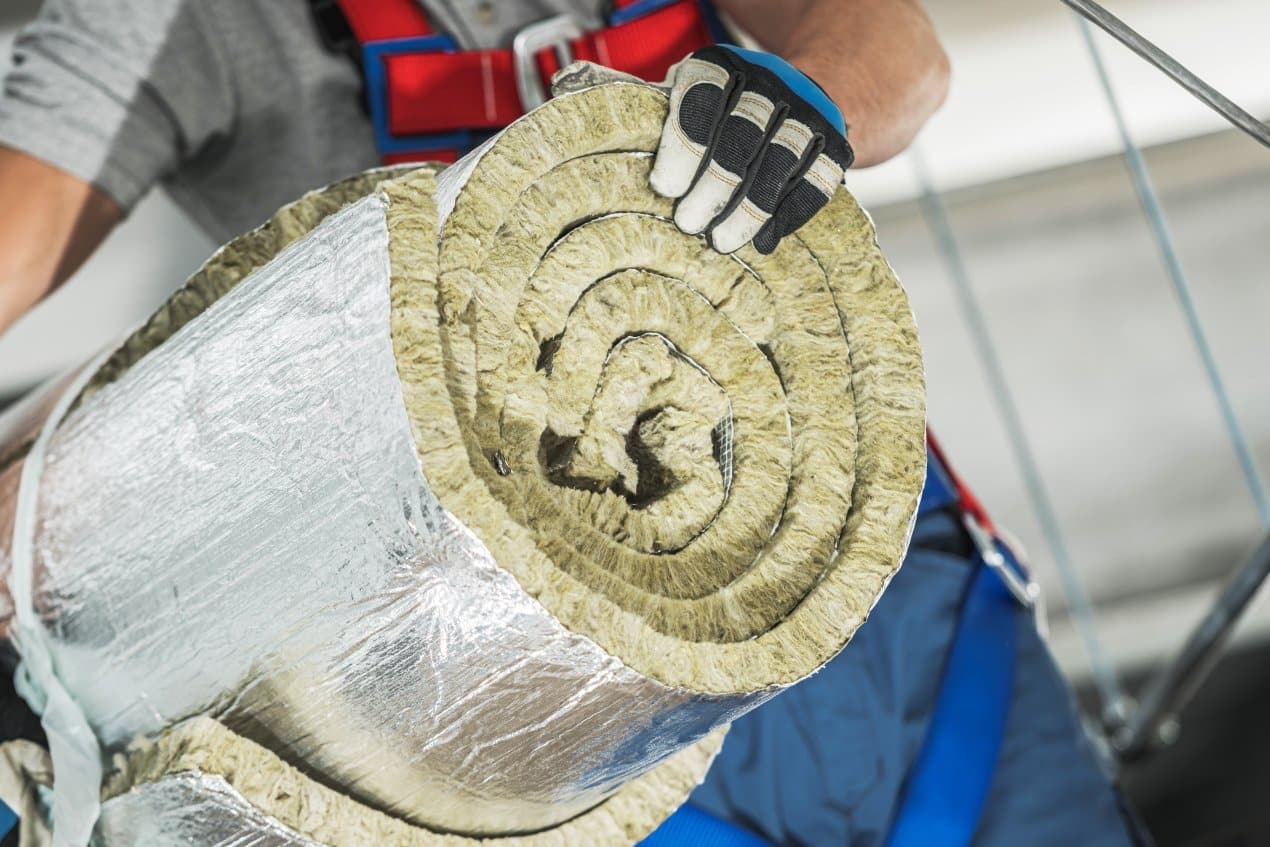
One solution that continues to gain traction in modern facility design is removable insulation systems. Once considered a niche maintenance accessory, removable insulation blankets are now being specified early in the design phase for mechanical rooms, process piping, manufacturing plants, and large-scale commercial facilities.
Here is why this shift is happening and what it means for architects, engineers, and facility stakeholders.
The Hidden Cost of Exposed Equipment
Industrial and commercial facilities often contain high-temperature components such as:
- Steam valves
- Heat exchangers
- Flanges and fittings
- Boilers
- Pumps
- Turbines
- Process piping
While straight pipe insulation is typically installed as standard practice, irregular shapes and serviceable components are often left exposed. These uninsulated areas create multiple problems:
- Excessive heat loss
- Increased energy consumption
- Elevated surface temperatures
- Burn risk for personnel
- Inconsistent system performance
Over time, even small uninsulated sections can lead to measurable energy waste. In high-demand facilities, that waste compounds quickly.
Removable insulation systems address these overlooked areas without compromising accessibility.
Designed for Access Without Sacrificing Efficiency
One of the main reasons removable systems are gaining popularity is their dual purpose: insulation and accessibility.
Unlike traditional hard insulation that must be cut away and discarded for maintenance, removable insulation blankets are engineered to:
- Fit precisely around complex equipment
- Be removed and reinstalled repeatedly
- Maintain insulation integrity after service
- Reduce labor time during shutdowns
This makes them ideal for components that require regular inspection or servicing.
From a design standpoint, specifying removable insulation ensures that maintenance planning is integrated into the building’s lifecycle strategy. That approach aligns with modern asset management principles focused on minimizing downtime and protecting infrastructure investments.
Improved Workplace Safety
Surface temperatures in mechanical systems can easily exceed safe-touch thresholds. OSHA guidelines emphasize minimizing employee exposure to high-temperature surfaces.
Uninsulated valves and flanges frequently exceed 200°F or more. In some steam systems, temperatures can reach significantly higher levels.
Removable insulation:
- Reduces surface temperatures to safer levels
- Minimizes accidental burn risk
- Supports compliance with safety regulations
- Improves overall workplace conditions
For facility owners, this translates into reduced liability exposure and a safer environment for technicians and operators.
Energy Efficiency and Sustainability Goals
Commercial architecture increasingly revolves around sustainability and energy performance metrics. While envelope efficiency and HVAC design often receive attention, mechanical system heat loss remains a significant variable.
Uninsulated mechanical components can contribute to:
- Excessive ambient heat gain in conditioned spaces
- Increased HVAC loads
- Higher fuel consumption
- Reduced system efficiency
When integrated correctly, removable insulation systems can significantly improve thermal containment. This reduces operational energy demand and supports broader environmental objectives.
In facilities pursuing energy audits, energy optimization initiatives, or sustainability certifications, insulating serviceable components is a relatively low-cost improvement with measurable return.
For facilities looking to implement high-performance insulation strategies, professionally engineered removable insulation blankets provide a flexible and effective solution.
Faster Maintenance, Lower Downtime
Downtime in industrial facilities is expensive. In some sectors, every hour offline represents substantial production losses.
Traditional insulation often creates friction during maintenance:
- Cutting and disposal of damaged insulation
- Reordering materials
- Waiting on reinstallation
- Extended shutdown windows
Removable systems streamline this process. Technicians can:
- Unfasten the insulation.
- Perform service.
- Reinstall the blanket.
- Return equipment to operation quickly.
This approach reduces labor costs and shortens maintenance cycles.
For facilities operating on tight production schedules, this efficiency becomes a strategic advantage rather than just a convenience.
Precision Fit for Complex Equipment
Modern removable insulation systems are custom-fabricated to match equipment geometry. This includes:
- Valve bodies
- Strainers
- Pump housings
- Turbine casings
- Expansion joints
- Odd-shaped flanges
Each blanket is designed with fastening systems such as hooks, straps, or drawstrings to ensure secure placement.
The precision fit helps maintain consistent thermal performance while preventing gaps that can compromise efficiency.
From a design perspective, specifying custom-fit insulation ensures performance standards are met without interfering with mechanical system functionality.
Long-Term Cost Savings
When evaluating insulation solutions, some stakeholders focus only on upfront cost. However, lifecycle cost tells a different story.
Removable systems deliver savings through:
- Reduced energy consumption
- Lower maintenance labor costs
- Fewer replacement materials
- Extended equipment life
- Reduced corrosion under insulation (CUI) risk
By allowing routine inspection and minimizing moisture entrapment, removable systems also help mitigate corrosion issues that can shorten equipment lifespan.
Over time, these savings typically outweigh initial fabrication costs, especially in high-temperature or high-usage facilities.
Adaptability in Retrofit and New Construction Projects
Another reason removable insulation blankets are becoming standard is their adaptability.
In new construction, they can be specified early to integrate seamlessly into mechanical design plans.
In retrofit projects, they offer flexibility for:
- Aging facilities
- Energy upgrade initiatives
- Compliance updates
- Safety improvements
Because they are custom-fabricated, removable systems can be installed without major structural modifications. This makes them ideal for phased upgrades in operational facilities.
A Smarter Approach to Mechanical Design
Commercial and industrial architecture continues to evolve toward systems thinking. Mechanical components are no longer viewed as isolated elements but as part of a broader performance ecosystem.
Specifying removable insulation reflects that mindset.
It acknowledges:
- Maintenance realities
- Safety standards
- Energy accountability
- Asset longevity
As facility owners demand higher performance and greater transparency in operational costs, these systems are transitioning from optional upgrades to baseline expectations.
Where Removable Insulation Makes the Most Impact
While nearly any high-temperature component can benefit, the greatest returns are often seen in:
- Steam distribution systems
- Manufacturing plants
- Food processing facilities
- Pharmaceutical production
- Power generation plants
- Large commercial mechanical rooms
In each of these environments, temperature control, efficiency, and accessibility are mission-critical.
Conclusion
Removable insulation blankets are no longer a specialty add-on reserved for select projects. They are increasingly viewed as a best-practice solution in commercial and industrial design.
By improving safety, reducing energy loss, simplifying maintenance, and extending equipment life, these systems support the long-term operational goals of modern facilities.
As performance expectations rise across the construction and manufacturing sectors, integrating removable insulation into mechanical specifications is not just smart engineering. It is strategic facility planning.
For architects, engineers, and owners seeking durable, efficient, and maintenance-friendly solutions, removable insulation systems represent a practical and forward-thinking investment.