

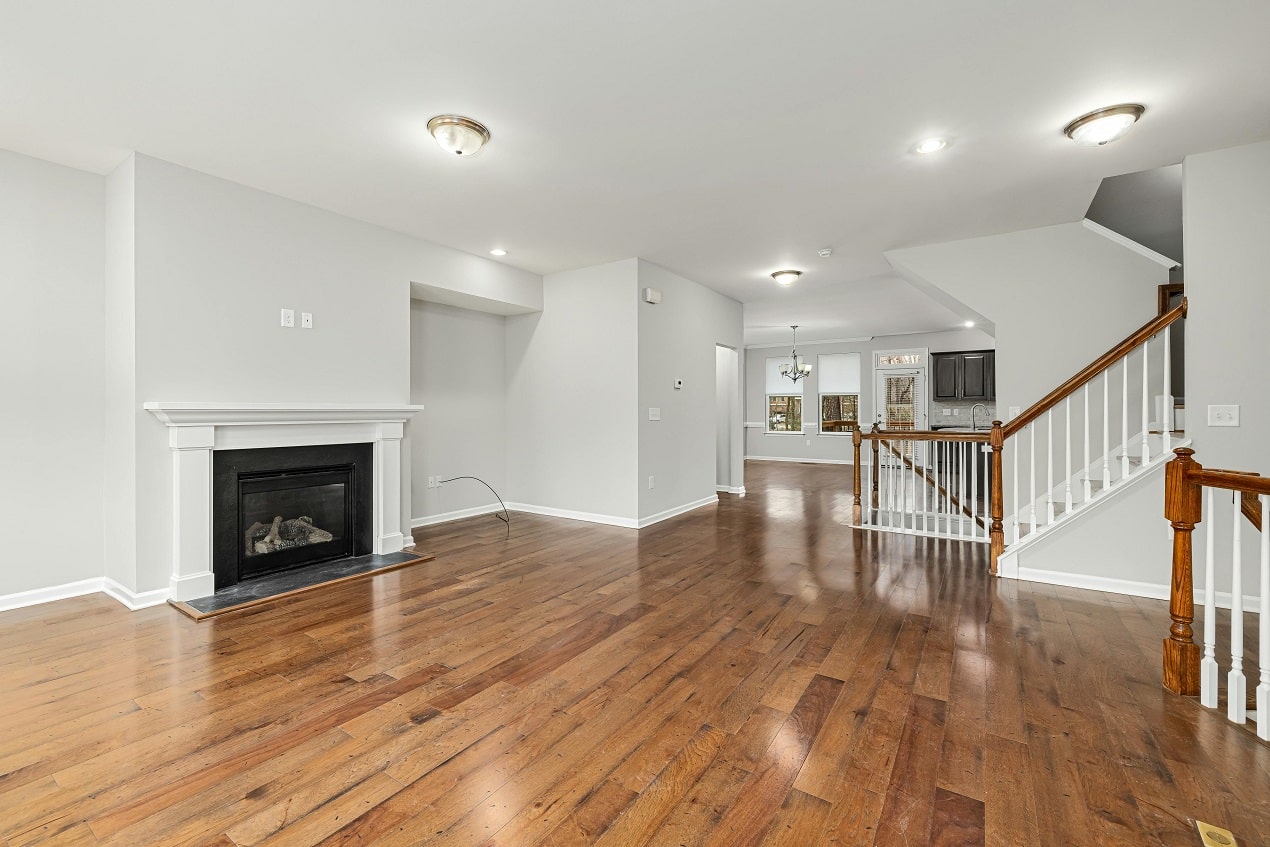
One of the most significant questions that arise when you decide to sell your home as-is is whether you should clear out the house first. It is certainly a point worth considering, particularly in a situation where you want to relocate fast or if you wish to save the money that would be otherwise spent on a property that you want to get rid of. The solution to this problem is not simple and varies depending on different things such as the time you have, the state of your personal items and the kind of buyers that you are targeting.
Understanding What As-Is Really Means
In essence, to sell a home as-is is to let buyers know that the property is for sale in the condition it is at that moment, and no repairs or changes will be made. Nevertheless, a lot of sellers wrongly take for granted that this phrase covers quite a lot. Even though referring to the as-is condition means the state of the construction and the functioning of the house, it does not necessarily imply that you will do something with the stuff inside. Just because you are selling as-is, it does not mean that you have to leave everything there, yet you are not by default allowed to remove every item either.
The mix-up which is most of the time originated from the fact that people think as-is means the buyer takes everything without exception that is there. In fact, the decision of what will stay and what will be taken away has to be written down in your contract of sale. The difference is essential because it determines how you get the property ready and the assumptions you make with potential buyers.
When Leaving Items Makes Sense
Despite the advantages of emptying your house, there are situations where leaving some or all items behind actually makes sense. If you’re dealing with a property you’ve inherited from a distance, the cost and logistics of clearing it out might exceed the benefit. Sometimes the expense of renting a dumpster, hiring movers, and taking time off work to manage the cleanout simply isn’t worth it, especially if the items have minimal value.
Some buyers, particularly investors or cash home buyers in Lee’s Summit, actually prefer to purchase homes with contents included. These buyers have systems in place for clearing properties and may even see value in items you consider worthless. For them, buying a fully furnished or filled home can actually be easier than dealing with a completely empty shell.
If your belongings are in poor condition or you’re facing a tight deadline, leaving items might be your most practical option. The time and energy required to sort through decades of accumulated possessions can be overwhelming, particularly during an already stressful moving process. In these cases, negotiating the sale with contents included can simplify your life significantly.
The Middle Ground Approach
Most sellers achieve great results with a hybrid method. It generally means taking out the valuables, sentimental items, or personal things and leaving the furniture or household goods that are not worth moving. Such a plan fits perfectly when you are downsizing or going to live in another state and unable to take everything with you.
The secret of this method lies in being selective and strategic. Take out only what you really want or need, as well as personal documents, photos, and things that have sentimental value to you. Leave basic furniture, appliances that you will not move, and things that may actually make the house look better. Sometimes, a furnished home can even be more comfortable than a totally empty one, thus finding a balance between sterile and cluttered.
Legal and Contractual Considerations
If you decide to do anything, it is still vital that you deal with the issue of contents in your purchase contract. Most real estate agreements, as a rule, have provisions for what goes with the property, and you should definitely indicate whether furnishings and personal property are your or the buyer’s. In case of such an absence of this clarity, you may find yourself in a dispute with the buyer at the time of closing. Some states have imposed laws concerning abandoned property which may have an impact on you in case you leave things behind without proper documentation. Should there be any items left after the closing that were not part of the agreement, the new owner might be entitled to take legal action against you or even be able to delay the closing. Being protected legally means that you are clear about your intentions right from the beginning.
Making Your Decision
In the end, emptying your home prior to an as-is sale is a personal decision based on your particular situation. Think about your time, money, the state of your belongings, and the kind of buyer you will probably get. If you have an investor or cash buyer that is a specialist in as-is purchases, they might have some preferences depending on how their business model works.
Consider what works best for your circumstance from a practical point of view. It might be that clearing the house would take you thousands of dollars and weeks of time that you do not have, so leaving the items could be the wiser decision even though it entails accepting a slightly lower offer. On the other hand, if you have time and the items are easy to handle, emptying the house may assist you to get a higher sale price and a more convenient transaction.
The thing that matters most is that you should be honest with yourself and your buyer about what you can realistically achieve. An as-is sale is intended to make the process easier, so do not bring unnecessary stress by agreeing to a cleanout that you cannot finish. Whatever your decision is, make sure that you talk openly, write down everything, and proceed with the assurance that you have taken the step that suits your particular situation.