

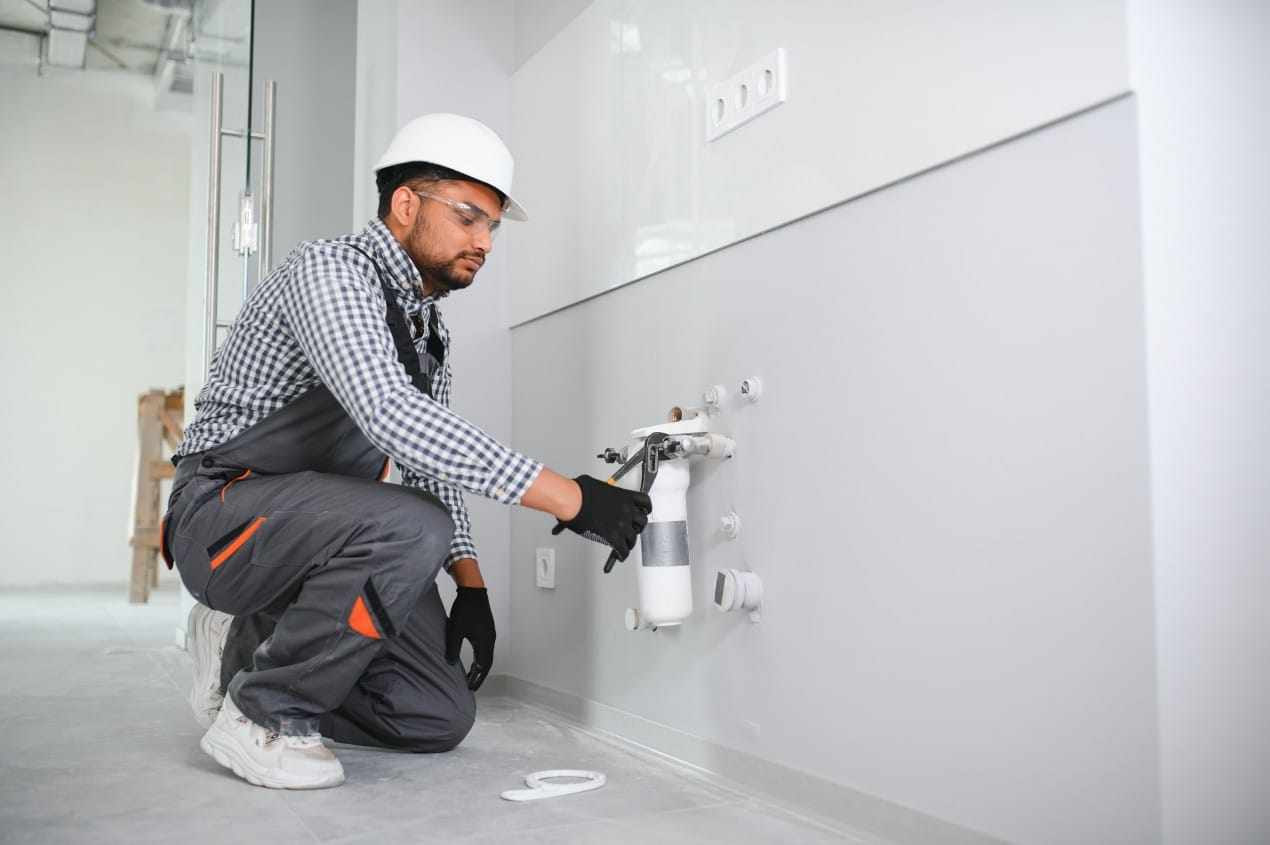
Finding plumbing work on a new real estate project is not the same as picking up residential service calls.
New construction runs on timelines, contracts, inspections, and layers of subcontractors. You are not dealing directly with homeowners most of the time. You are dealing with general contractors, project managers, developers, and foremen who care about schedules and compliance more than anything else.
If you want steady plumbing work tied to new developments, you have to think like the industry thinks.
That means understanding who actually controls hiring decisions and when they make them.
Understand Who Really Hires Plumbers
Most plumbers trying to break into new construction make one mistake. They approach the wrong person.
Developers do not usually hire plumbers directly. General contractors rarely perform plumbing themselves. The work typically goes to a plumbing subcontractor who wins the bid for the mechanical scope.
So your real targets are:
- Established plumbing subcontractors already working on commercial or residential builds
- Mechanical contractors handling multi-unit projects
- Local union halls if you are union-affiliated
- General contractors who maintain a preferred vendor list
If you are licensed and operating independently, your entry point is often smaller developers or mid-sized builders who do not have exclusive long-term plumbing partners.
If you are looking for employment rather than contracts, your entry point is the plumbing subcontractor already attached to the job.
Track Projects Before They Break Ground
Timing matters more than most plumbers realize.
Once construction is halfway done, crews are already set. The best time to approach a company is before or at the early stages of a project.
In Atlantic County and surrounding areas, you can monitor:
- Planning board approvals
- Local business journals
- Permit filings
- Public bid announcements
- Commercial real estate news
When you see a new multi-unit development, mixed-use building, hotel expansion, or condo project approved, that is your signal. Reach out to contractors involved before plumbing phases begin.
Plumbing is usually scheduled after foundation and framing but before interior finishes. That gives you a narrow window to position yourself.
Build Relationships With General Contractors
Even if general contractors are not directly hiring plumbers, they influence who gets work.
A GC who trusts you will recommend you to developers or add you to their approved subcontractor list. That relationship can lead to repeat projects.
Showing up matters. Attend local contractor meetups. Visit supply houses where builders gather early in the morning. Introduce yourself professionally, not aggressively.
Have your credentials ready:
- License
- Insurance certificates
- Bonding capacity if applicable
- Past project photos
- References
In construction, reputation spreads quickly. Reliability is currency.
Specialize in What New Developments Need
Not all plumbing experience translates equally into new construction.
Developers care about:
- Multi-unit installations
- Code compliance
- Commercial-grade systems
- Efficiency and water-saving requirements
- Meeting inspection deadlines
If your background is mostly residential service calls, you may need to reposition your experience.
Highlight projects where you installed full systems rather than repaired fixtures. Emphasize coordination with electricians, HVAC crews, and inspectors. Make it clear you understand sequencing and scheduling.
If you want to stand out further, consider certifications in backflow prevention, gas systems, or green plumbing technologies. New developments increasingly market themselves as efficient and sustainable. That creates demand for plumbers who understand modern systems.
Union vs Independent Route
In New York and much of New Jersey, union plumbing jobs are common on large commercial projects.
If you are union-affiliated, your path runs through the local hall. Large-scale developments often hire through union agreements. Staying in good standing and being available when projects ramp up increases your chances.
If you are independent or non-union, smaller residential developments, renovations, and mid-sized builds may offer more flexibility. Developers looking to control costs sometimes seek competitive bids from smaller operators.
Both paths work. The key is knowing which projects align with your structure. Start writing up a cover letter, and draft your application.
Present Yourself Like a Business, Not Just a Tradesperson
New construction plumbing is as much about professionalism as skill.
Developers and contractors want predictability. They want someone who shows up, communicates clearly, and finishes phases on time.
If you are seeking employment, your resume should reflect project-based work rather than task lists. Instead of writing “installed pipes,” describe the size and scope of projects. For example, completed full plumbing installation for 18-unit residential development under tight inspection timeline.
If you are bidding as a subcontractor, your proposal should outline timeline, manpower, materials coordination, and contingency planning.
In construction, clarity builds trust.
Use Supply Houses as Networking Hubs
One of the most overlooked strategies is simple: spend time at plumbing supply houses.
Supply counters are where contractors talk. They discuss upcoming jobs, staffing shortages, and timelines. If you become a familiar, reliable face, opportunities surface naturally.
Ask counter staff which builders are active. They often know before public announcements. A simple conversation can give you a lead weeks before others know about it.
Keep Your Availability Visible
Contractors remember people who stay top of mind.
A quick quarterly check-in email to contractors you have worked with can keep you visible. A short message letting them know you are available for upcoming projects is enough.
Do not overcomplicate it. Keep it direct and professional.
Construction is busy. The easier you make it for someone to remember you, the more likely they are to call when they need an extra crew.
Safety and Compliance Are Non-Negotiable
New real estate projects operate under tight regulatory oversight. Inspectors move quickly. Delays cost money.
Make sure you are current on:
- OSHA safety training
- Local plumbing codes
- Commercial building standards
- Inspection procedures
Developers do not gamble on compliance. If you demonstrate that you understand the regulatory side, you immediately increase your appeal.
Think Long Term, Not One Job at a Time
The goal is not to land one project. It is to become the plumber who gets called for the next five. Delivering on one development builds leverage for the next. Construction is relationship-driven. One smooth project can lead to referrals across multiple properties.
New York continues to see renovation projects, hospitality upgrades, and periodic residential expansions. The volume may fluctuate, but it does not disappear. The plumbers who stay steady are the ones who treat each job as a portfolio builder.
Final Reality Check
New construction plumbing is competitive. Margins can be tight. Deadlines are strict. But it also offers larger contracts, more predictable scheduling, and repeat business when relationships are strong. If you want to break into this space, stop waiting for ads on job boards. Track projects early. Approach the right decision-makers. Present yourself professionally. Stay visible. Deliver reliably. In construction, skill gets you in the door. Reliability keeps you there.
And in a city that is always rebuilding something, that consistency is what creates steady work.