

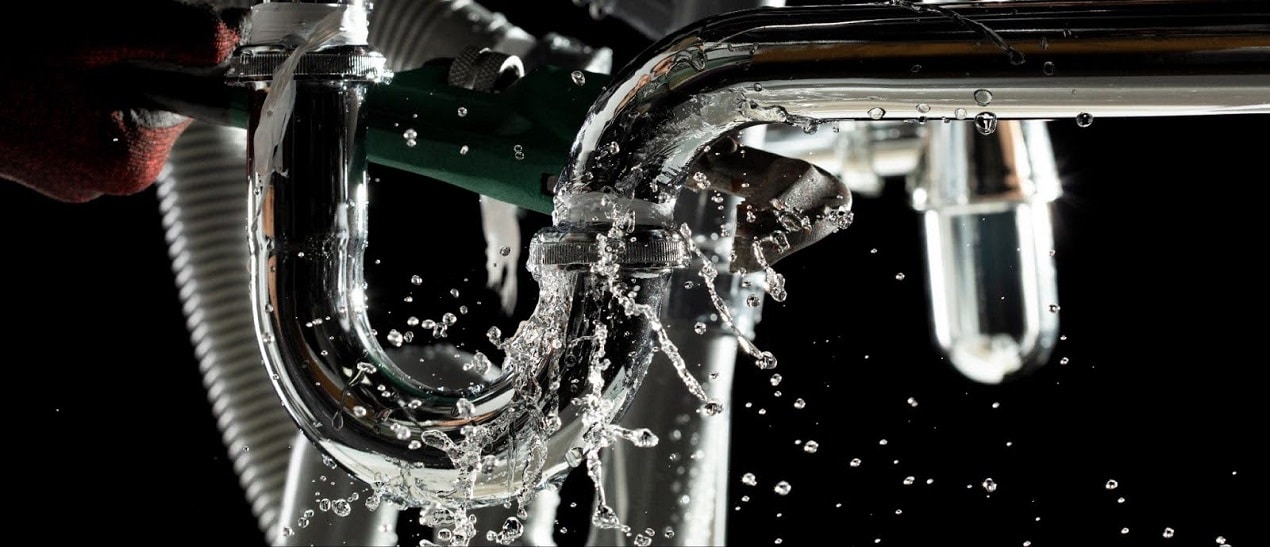
A burst pipe is one of those household problems that can escalate in minutes. What starts as a small leak can quickly turn into water flooding floors, soaking walls, and threatening furniture, appliances, and electrical systems. It’s no surprise that many homeowners feel overwhelmed when it happens.
However, the key to limiting damage isn’t panic — it’s staying calm and organised. Knowing what to do, and in what order, can significantly reduce the impact on your home and your wallet. This checklist is designed to help Australian homeowners understand how to handle a burst pipe with confidence, covering immediate actions as well as longer-term prevention tips. While it won’t replace professional repairs, it will help you take control of the situation when every minute counts.
Recognizing the Signs of a Burst Pipe
Early detection of a rupture in your piping system can spare your home extensive damage. Before water starts to flood your property, pipes often raise a red flag. Warning signals such as a sudden significant drop in water pressure or perplexing sounds—like hissing or bubbling—emerging from your walls could indicate trouble brewing in your home’s plumbing structure.
Watch out for visual cues; water stains sporadically appearing on your walls or ceilings, unexplained puddles forming in odd corners, or damp patches spreading across surfaces could be strong indicators of a leak in your pipe. The sooner you identify these anomalies, the lesser the potential damage.
Australia’s weather conditions can also play a role in the health of your pipes. The versatility of our climate can put pipes through rigorous temperature fluctuation tests. The chill of winter evenings can cause pipes to expand and contract, potentially leading to damage. Similarly, during the intense heat of summer, lack of water usage combined with high temperatures can harm your pipes.
Immediate Actions to Take Once a Burst Pipe is Suspected
Upon suspecting a pipe burst, swift action is paramount to limit the degree of water damage. Your first mission is to locate and turn off the main water supply immediately, thus halting the uncontrollable gush of water into your home. Following this, ensure you run your taps dry to eliminate any residual water pressure in the system. Combating a burst pipe involves more than just water control; remember to prioritise electrical safety. It’s no secret that water and electricity share a dangerous rapport. Turn off the electricity supply to affected areas to prevent hazardous situations from arising.
Furthermore, shift and secure your valuables, keeping them away from the clutches of inbound water. Carefully document the extent of the damage – take pictures, note specifics and keep accurate records. These documents can turn out to be your lifeline if you need to file an insurance claim for the damage caused.
Contacting Professional Help
Post immediate mitigation measures, it’s time to bring in the experts. Search for a seasoned local plumber and alert them about the situation—having professional help in these circumstances is crucial to ensure your home’s plumbing system is as good as new. When reaching out for aid, don’t forget to verify if your potential plumber holds the necessary licenses and experience—this assures that the professional adheres to local standards and regulations.
Upon their arrival, engage in an open discussion with the plumber. Gather vital information about the severity of the burst, the estimated cost, and the time frame required for effective repair. While Australians are known for their do-it-yourself (DIY) initiatives, significant plumbing repairs are intricate and require professional handling. Taking the DIY route can, in some cases, further exacerbate the damage or risk personal safety.
Temporary Fixes to Minimise Damage
While waiting for professional assistance, there are a few temporary measures you can take to reduce water spread. For small leaks, pipe clamps, rubber patches, or epoxy putty can help slow the flow of water. These are not permanent solutions, but they can limit damage in the short term.
Buckets, towels, and mops are simple yet effective tools for managing excess water. Placing containers under leaks and regularly removing pooled water helps protect floors and nearby surfaces. Some homeowners also keep temporary water shutoff devices and basic plumbing tools on hand, which can be useful during emergencies.
These steps are about buying time and protecting your home until a qualified plumber can carry out proper repairs.
Preventive Measures to Avoid Future Burst Pipes
Mitigating the impact of a burst pipe is one thing, but steering clear of the whole debacle altogether is an even better strategy. Prevention is key, and regular inspection and maintenance form the pillars of it. Consider incorporating a thorough check of your home’s pipes as part of your annual home maintenance chore list. By doing so, you keep potential plumbing threats at bay.
Insulating your pipes, especially those exposed to the outside environment, can protect them against the harsh, fluctuating temperatures, significantly reducing the chances of a burst. Monitoring and regulating your home’s water pressure is another critical preventive step, helping pre-empt pipe stress.
In the warm Australian summer, regular water usage can ensure your pipes stay active and optimal. Conversely, as you bundle up for the winter chill, be certain your external pipes match your preparedness level—they should be well insulated to retain their functionality.
Wrapping Up and What to Do Next
Facing a burst pipe doesn’t have to be overwhelming — especially when you know what steps to take and in what order. Staying calm, following this checklist, and acting quickly will go a long way toward protecting your home and reducing repair costs.
If you ever find yourself unsure or in over your head, reaching out to a trusted professional is always the best next step.
Need expert help for repairs or routine home maintenance? Contact a licensed local plumber today — they can assess the situation, fix the issue properly, and help you avoid future headaches.
Remember, knowing how to handle a burst pipe before it happens is one of the smartest steps you can take as a homeowner — and sharing this checklist with friends and family helps everyone stay prepared!