

Ensuring the safety of workers is one of the most critical aspects of any construction or maintenance project. Fall-related accidents account for a significant portion of workplace injuries, particularly in industries like construction, roofing, and utilities. In fact, according to the Occupational Safety and Health Administration (OSHA), falls are the leading cause of fatalities in construction. To mitigate this risk, fall protection systems are essential. One such trusted provider of these systems is fall protection systems by Title 8 Builders, a company that specializes in creating safe, effective fall protection solutions for various types of jobsites. However, installing and maintaining these systems requires a high level of expertise to ensure they perform optimally and help prevent accidents.
Importance of Fall Protection Systems
Fall protection systems are designed to prevent workers from falling from heights and to protect them in the event a fall occurs. These systems typically include harnesses, guardrails, safety nets, and aerial lifts, among others. They are implemented based on specific regulations such as OSHA’s standards, which are designed to minimize the risk of falls. For example, OSHA requires fall protection to be provided at elevations of six feet in the construction industry, and at four feet in general industry settings.
When properly installed and maintained, these systems offer workers a secure environment where they can focus on their tasks without the constant concern of potential falls. Given the risks and regulatory requirements, it’s essential to choose reliable systems, such as those offered by fall protection systems by Title 8 Builders, and ensure they are implemented and maintained correctly.
Key Components of Fall Protection Systems
To understand how fall protection systems work, it is important to explore their key components. These systems typically consist of several interrelated elements, each designed to play a specific role in ensuring worker safety.
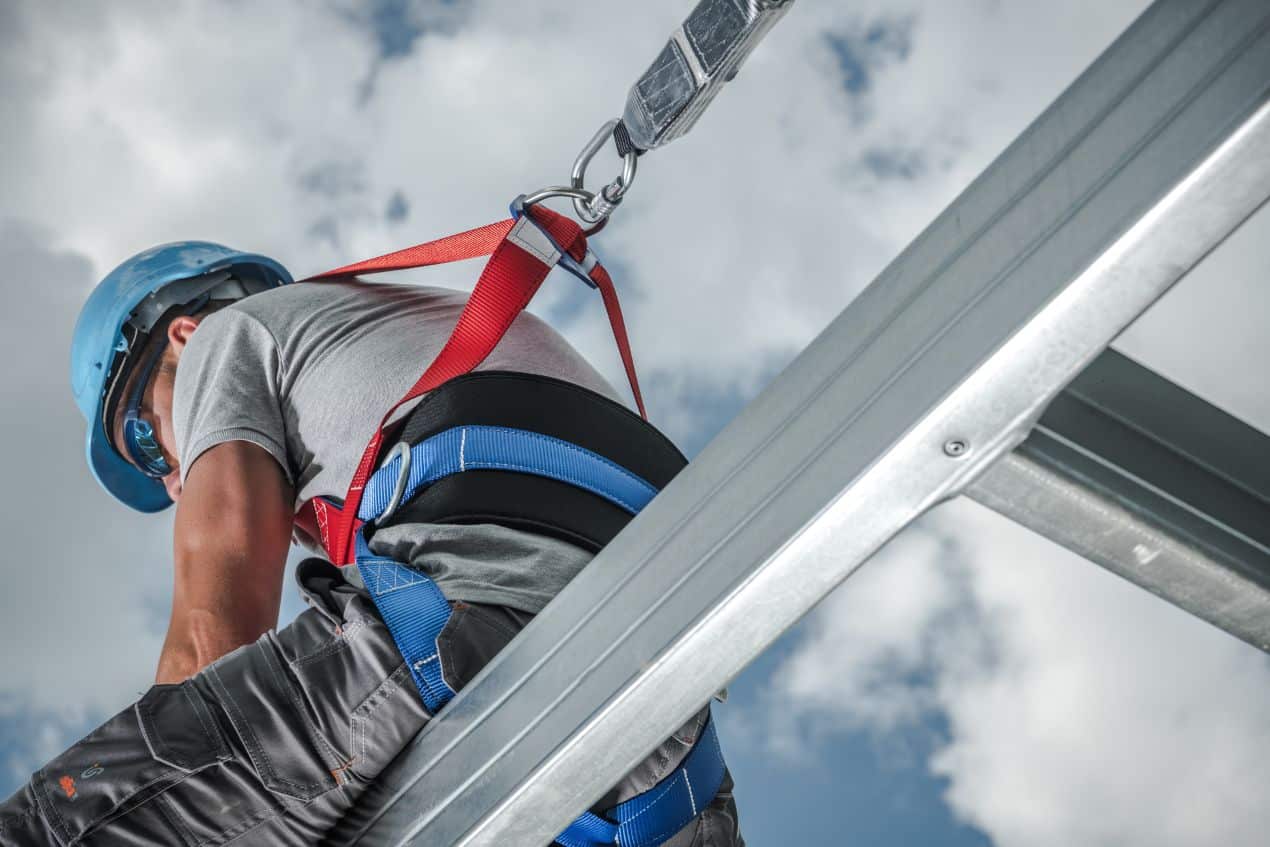
- Personal Fall Arrest Systems (PFAS): These systems are often used on jobs where workers are exposed to potential falls. A PFAS typically includes a full-body harness, a lanyard, and an anchorage point. The body harness is worn by the worker and connects to an anchorage point via the lanyard, which is designed to stop the worker’s fall before they hit the ground.
- Guardrails: Guardrails are often used on elevated surfaces such as scaffolding or roofs. They are installed along the edges of these surfaces and act as a physical barrier to prevent workers from accidentally stepping off the edge.
- Safety Nets: These are designed to catch a worker if they fall, minimizing the impact of the fall. They are often used when other types of fall protection systems are not feasible.
- Aerial Lifts: Aerial lifts are often used for work in high places where scaffolding or ladders are not appropriate. These lifts provide both access to elevated areas and a level of fall protection for workers.
- Positioning Systems: These systems allow workers to be safely positioned while they work on elevated surfaces. They typically involve a body belt or harness and ropes that allow workers to remain securely in place while performing their tasks.
The Installation Process
Installing a fall protection system is not a simple task. It requires a deep understanding of both the site conditions and the specific needs of the job. Below are the essential steps to follow when installing a fall protection system:
Site Assessment
Before installing any fall protection system, a thorough assessment of the job site is necessary. This includes evaluating the height, the type of work being performed, the layout of the site, and potential hazards that workers might face. For example, if workers are tasked with installing roof trusses, they may need more than just basic fall protection; the system must be designed to accommodate the specific movements and tools that workers will use during this process.
Fall protection systems by Title 8 Builders emphasize the importance of this first step, as it helps determine the best type of fall protection system to use. During this stage, the workers’ safety is the top priority, and the evaluation should take into consideration any potential obstacles or challenging environments.
System Design
Once the site has been assessed, the next step is designing a system that fits the specific needs of the project. The design must comply with safety regulations, such as those set out by OSHA, and should provide maximum protection for workers. For instance, if the work involves a high-altitude structure, additional safety features, such as double-lanyards or retractable lifelines, may be necessary.
The fall protection system must be designed not only to be effective but also to be convenient for workers. For example, a system that is overly complicated or difficult to use can lead to workers skipping safety procedures. Systems should be straightforward and allow workers to maintain productivity while staying safe.
Installation
Installing a fall protection system must be done by qualified professionals. The installation involves securing anchor points, positioning safety rails, and making sure that all components of the system are properly attached. This process may involve both permanent and temporary systems, depending on the nature of the work.
Professional installation ensures that the system will function properly under all conditions. Fall protection systems are engineered to bear significant weight and impact, so the installation process must follow all industry standards. Fall protection systems by Title 8 Builders provide expert installation to ensure that systems meet regulatory and safety standards while being user-friendly for workers.
Maintenance of Fall Protection Systems
The safety of workers depends not only on proper installation but also on regular maintenance of the fall protection systems. A system that has been improperly maintained can fail at a critical moment, leading to accidents or fatalities. Here are some key aspects of maintaining fall protection systems:
Regular Inspections
Each component of a fall protection system should be inspected regularly. Harnesses, lanyards, and anchor points should all be checked for signs of wear or damage. According to OSHA regulations, these inspections must be conducted before each use of the equipment. Inspections are particularly critical for personal fall arrest systems, as they directly affect a worker’s safety.
During the inspection process, technicians should look for frayed ropes, broken buckles, and other signs of wear and tear. Damaged equipment should be replaced immediately, as even small issues can lead to catastrophic failures.
Record Keeping
Proper documentation is essential when maintaining fall protection systems. Records of all inspections, repairs, and replacements should be kept for future reference. This is important not only for the safety of the workers but also for compliance with OSHA standards. Failure to maintain accurate records could result in penalties or legal liabilities.
Training and Worker Awareness
Even the most advanced fall protection systems are only effective if workers are properly trained on how to use them. Employers must ensure that all workers are trained on how to use the fall protection equipment correctly. This training should include proper usage, inspection techniques, and emergency procedures.
Fall protection systems by Title 8 Builders recommend ongoing training to keep workers informed about any new equipment or safety procedures. Ensuring that employees understand the importance of the system and how to operate it effectively is key to maintaining a safe work environment.
Conclusion
The installation and maintenance of fall protection systems are crucial to ensuring workplace safety. These systems not only protect workers but also help companies comply with regulatory requirements. Whether you’re working on a new construction project or maintaining an existing structure, investing in high-quality fall protection systems from trusted providers like fall protection systems by Title 8 Builders is essential. Moreover, regular inspections, proper training, and diligent maintenance practices are necessary to keep these systems functioning as they should. By taking these steps, companies can provide a safer work environment for their employees, reduce the risk of accidents, and ultimately save lives.