

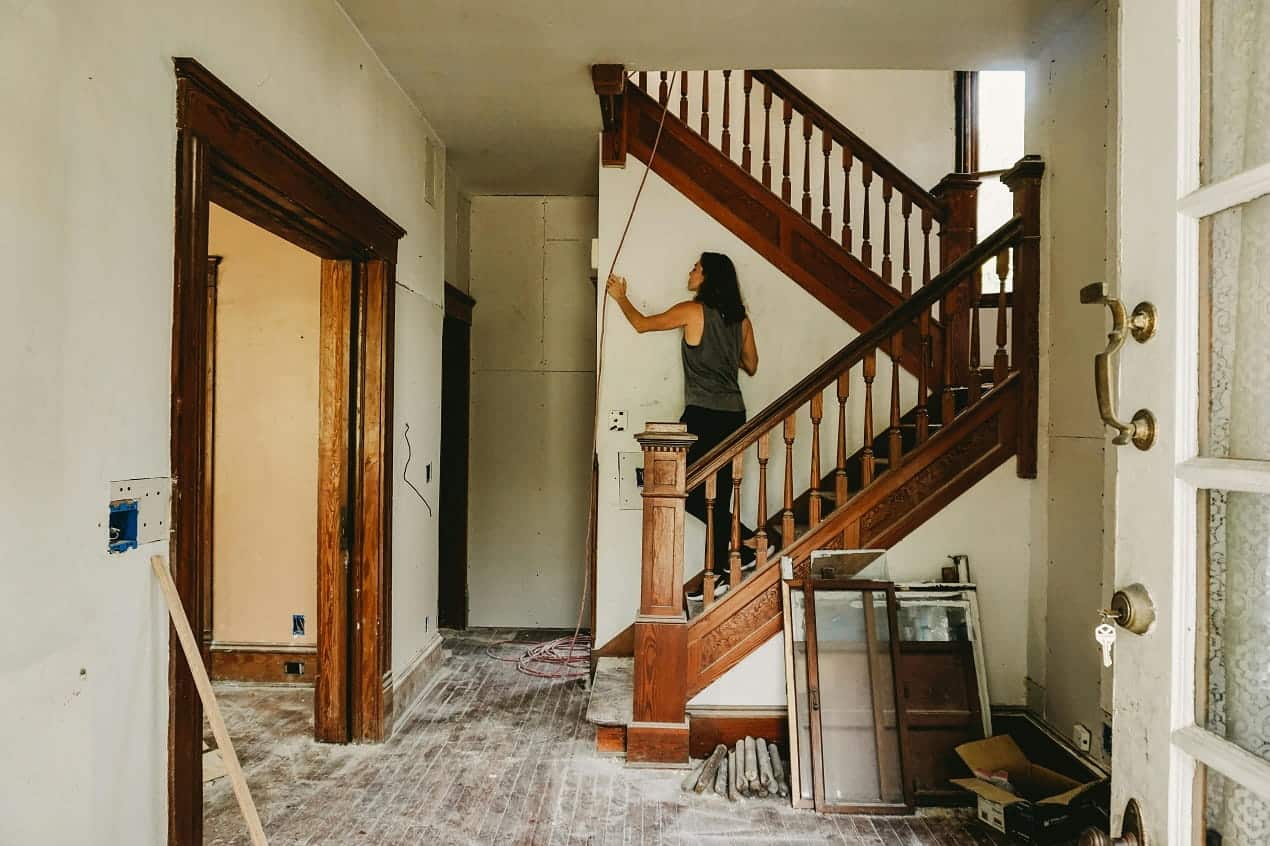
Older homes carry charm, history, and character, yet they often fall short in efficiency and safety. Aging wiring, outdated insulation, and worn plumbing systems can quietly increase costs and risks. Smart upgrades can transform these homes without stripping away their personality. Thoughtful improvements boost comfort, lower utility bills, and create a safer living space. A balanced approach focuses on modern technology, practical fixes, and routine maintenance. Each upgrade builds toward a home that works better every day. The following sections outline clear, actionable ways to improve efficiency and safety while preserving what makes an older home special and worth keeping.
1. Upgrade Insulation for Better Temperature Control
Old insulation often loses effectiveness, which leads to drafts and uneven temperatures. Start by checking the attic, walls, and basement for gaps or thinning material. Add modern insulation like spray foam or fiberglass batts to stabilize indoor temperatures. Seal small openings around pipes, vents, and wiring to stop heat loss. Proper insulation reduces strain on heating and cooling systems, which cuts energy costs over time. It also keeps the home comfortable throughout the year. Focus on areas where temperature shifts feel most noticeable, since those spots often reveal hidden inefficiencies that demand immediate attention and improvement.
2. Modernize Plumbing Systems and Monitor Water Use
Outdated plumbing can leak, corrode, and waste water without clear warning signs. Replace aging pipes with durable materials like PEX or copper to prevent long-term damage. Install pressure regulators and efficient fixtures to control water flow. Smart monitoring tools can help track usage patterns and detect leaks early. A residential water meter provides real-time insights, allowing homeowners to identify unusual consumption before it becomes costly. Regular inspections keep the system reliable and safe. Clean drains, check joints, and maintain valves to avoid sudden failures. Small upgrades in plumbing create long-term savings and reduce the risk of structural damage.
3. Improve Electrical Safety and Capacity
Older homes often rely on outdated wiring that cannot handle modern electrical demands. Replace knob-and-tube or aluminum wiring with safer copper systems. Upgrade the electrical panel to support current appliances and devices. Install ground-fault circuit interrupters in kitchens, bathrooms, and outdoor areas to prevent shocks. Add surge protection to safeguard electronics. Inspect outlets and switches for wear or heat damage. Reliable wiring reduces fire risks and improves overall functionality. A modern electrical system supports everyday needs while keeping safety a top priority. Regular checks ensure everything operates efficiently without hidden hazards that could escalate into serious problems.
4. Install Energy-Efficient Windows and Doors
Drafty windows and poorly sealed doors allow heat to escape and cold air to enter. Replace single-pane windows with double- or triple-pane models for better insulation. Use weatherstripping to seal gaps around frames. Solid-core or insulated doors improve energy retention while enhancing security. Proper sealing reduces energy loss and stabilizes indoor temperatures. It also minimizes noise from outside, which creates a more comfortable environment. Modern materials offer durability and better performance compared to older designs. These upgrades make a noticeable difference in both efficiency and daily comfort without requiring major structural changes.
5. Update Heating and Cooling Systems
Old HVAC systems often consume more energy and deliver uneven performance. Replace outdated units with energy-efficient models that match the home’s size and layout. Install programmable or smart thermostats to control temperatures with precision. Clean or replace filters regularly to maintain airflow and efficiency. Seal ductwork to prevent energy loss and improve distribution. Zoned heating systems allow better control in different areas of the house. Efficient climate control systems reduce energy bills while maintaining consistent comfort. Regular maintenance ensures long-term reliability and prevents unexpected breakdowns during extreme weather conditions.
6. Strengthen Fire Safety Measures
Older homes may lack modern fire safety features, which increases risk. Install smoke detectors on every level and inside bedrooms. Test them monthly and replace batteries regularly. Add carbon monoxide detectors near sleeping areas. Upgrade fire extinguishers and place them in accessible locations like kitchens and garages. Check fireplaces and chimneys for blockages or damage. Clear flammable materials from heating sources. Fire-resistant materials can add another layer of protection. Consistent attention to fire safety creates a secure environment and reduces the chance of emergencies escalating quickly into dangerous situations.
7. Reinforce Structural Integrity
Time can weaken key structural elements, which affects stability and safety. Inspect the foundation for cracks or shifting. Repair damaged beams, joists, and load-bearing walls to maintain strength. Address moisture issues that can lead to rot or mold. Reinforce roofing structures to handle weather conditions. Regular inspections help identify problems early before they worsen. Structural improvements protect the home’s long-term value and ensure it remains safe for occupants. Strong foundations and well-maintained frameworks support all other upgrades, making them essential for any improvement plan focused on durability and reliability.
8. Enhance Lighting and Visibility
Poor lighting can create hazards, especially in stairways, hallways, and entry points. Replace dim or outdated fixtures with energy-efficient LED lighting. Add motion-sensor lights in outdoor areas to improve security and visibility. Use layered lighting indoors to reduce shadows and improve clarity. Bright, well-placed lighting helps prevent accidents and makes daily tasks easier. Modern lighting solutions also consume less energy, which supports overall efficiency. Consider task lighting in work areas and ambient lighting in living spaces to create balance. Proper illumination improves both safety and comfort throughout the home.
9. Upgrade Security Features
Older homes often lack modern security systems, which leaves them more vulnerable. Install smart locks, cameras, and alarm systems to monitor activity. Reinforce doors and windows with stronger materials and secure locking mechanisms. Use outdoor lighting to deter unwanted entry. Security upgrades provide peace of mind and protect both property and occupants. Integrated systems allow remote monitoring through smartphones, which adds convenience. Regularly check locks and sensors to ensure proper function. A secure home creates a safer living environment while complementing other improvements focused on efficiency and reliability.
Improving an older home requires attention to detail, practical upgrades, and consistent care. Each improvement builds toward a safer and more efficient living space. From insulation and plumbing to lighting and security, every step contributes to long-term comfort and reliability. Thoughtful changes preserve the home’s character while adapting it to modern needs. Regular maintenance ensures these upgrades continue to perform effectively. A well-maintained home supports daily life with fewer risks and lower costs. With the right approach, any older home can become a space that feels secure, efficient, and ready for the future without losing its original appeal.