

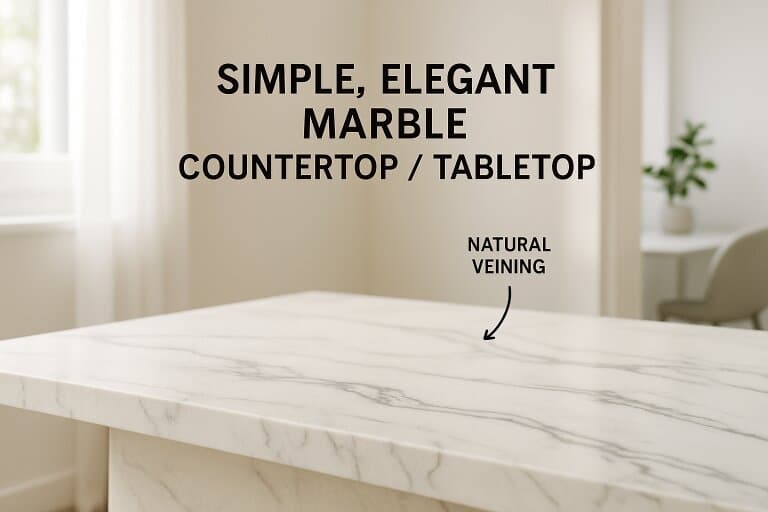
Marble has long been admired for its natural elegance, durability, and timeless appeal. In modern interior design, marble surfaces play a significant role in shaping sophisticated and visually balanced spaces. Designers often use marble for countertops, flooring, wall features, and decorative accents because it complements both minimalist and luxurious aesthetics. Its natural veining and unique patterns add character to interiors while maintaining a clean and refined look. As contemporary design continues to emphasize quality materials and long-lasting finishes, marble remains a popular choice for homeowners and design professionals alike.
The growing interest in marble surfaces has also influenced how materials are sourced and selected for various projects. Design trends now highlight a wide range of marble colors, textures, and finishes that can suit different interior styles, from modern and industrial to classic and transitional. In many cases, working with experienced marble suppliers Sydney designers rely on to help ensure access to high-quality materials that meet both aesthetic and functional requirements. By carefully selecting the right marble surfaces, interior spaces can achieve a balanced blend of beauty, practicality, and lasting design appeal.
Timeless Elegance of Marble
Few materials evoke the same sense of grandeur and permanence as marble. With its roots in ancient Rome and Greece, marble has always signified splendor and artistic ambition. What sets marble apart in contemporary design is its ability to effortlessly blend with minimalist, traditional, and even industrial interiors. No two slabs are alike, which adds intrigue and a personal narrative to every installation. Today’s designers leverage marble as a foundational element, using its natural veining to create focal points in kitchens, bathrooms, entryways, and more.
Versatility in Applications
The current era of design celebrates marble’s flexibility in moving beyond classic countertops and floors. Designers incorporate marble into custom furniture, lighting fixtures, accent walls, and decorative object collections. In kitchens, marble islands and backsplashes remain perennial favorites, but new techniques make it possible to craft coffee tables, shelving units, or even showcase walls. The aesthetic and tactile qualities of marble create a sense of continuity across open-concept spaces, establishing an effortless flow between rooms.
Emerging Color Trends
While pristine whites and subtle grays are the epitome of old-world elegance, bold and colored marbles are defining modern interiors. Forest green, deep burgundy, and even inky black marbles add drama and energy, transforming otherwise understated spaces into works of art. The injection of color enables more experimentation with pattern, tone, and furniture styles. Designers are also experimenting with book-matched marble walls to amplify the stone’s symmetrical beauty in a striking contemporary fashion.
Texture and Finishes
Polished marble has always been admired for its glass-like shine. However, innovation in stone finishing enables a wider range of surface textures. Honed and matte finishes lend a modern, understated appearance, while leathered stones add a subtle tactile dimension. These alternative finishes reduce glare and make maintenance easier, appealing to busy households and commercial buyers alike. The right finish can accentuate or soften marble’s natural patterns, helping customize each space to the client’s specific vision.
Sustainability and Reclaimed Marble
Eco-conscious design has fueled an increase in the use of reclaimed and repurposed marble. Sourcing stone from older buildings conserves resources and reduces waste, making each remodel more environmentally responsible. Reclaimed marble often carries a sense of history, imbuing new designs with depth and authenticity that freshly quarried stone sometimes lacks. This approach supports the growing demand for green building materials and reduces the project’s carbon footprint.
Celebrity Inspirations
Design-forward celebrities have brought marble to the forefront of popular conversation by integrating stunning slabs and bold patterns into their homes. Eva Longoria’s kitchen, for example, features an eye-catching wall of green marble that mixes glamour and modern style. Similarly, Justin and Hailey Bieber’s contemporary kitchen uses classic white marble but pairs it with sleek cabinetry and bold hardware, demonstrating how the stone can adapt to both timeless and of-the-moment looks. High-profile examples like these inspire homeowners to experiment with marble’s creativity in their own projects.
Combining Marble with Other Materials
Modern designers are increasingly pairing marble with contrasting materials to create visually compelling interiors. Warm wooden accents, polished metals, or transparent glass not only highlight marble’s unique features but also bring balance to the composition. For example, a marble kitchen island adjacent to rustic wood cabinetry combines formality with coziness. In living spaces, pairing marble tabletops with metal frames results in a striking, contemporary edge while maintaining classic elegance. Such pairings allow for creativity, personalization, and added texture throughout the home.
Conclusion
Marble’s legacy in interior design is built on centuries of fascination, and its influence continues to grow as designers push creative boundaries. The stone’s adaptability ensures that it remains a canvas for both innovation and tradition. By considering factors such as sourcing, finish, color, and material combinations, homeowners and professionals can introduce marble in ways that are both functional and sublime. When tastefully integrated, marble will help your interiors withstand the shifting tides of design trends, remaining both current and timeless for years to come.