

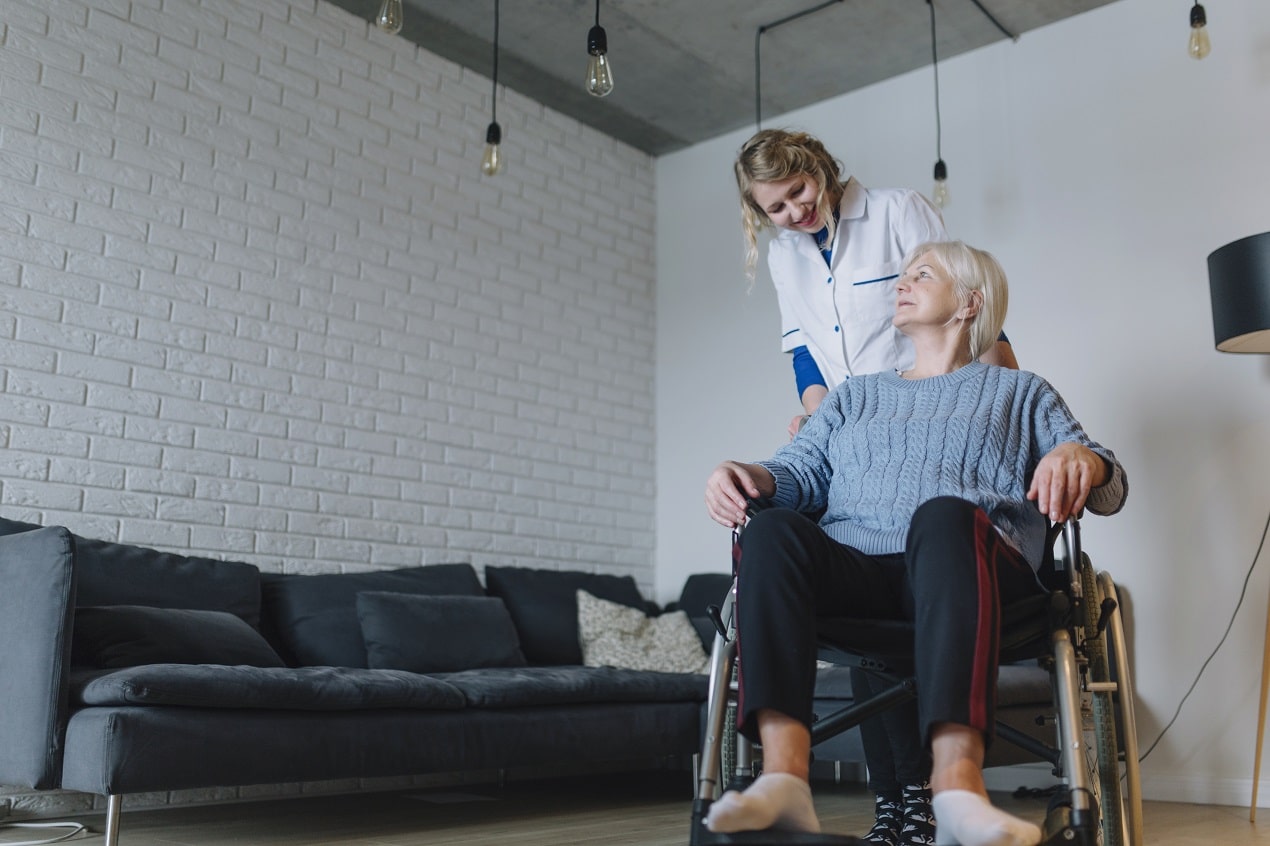
In residential aged care, you will meet dedicated professionals who consistently provide support that encompasses multiple aspects of the residents’ everyday lives.
These individuals are commonly referred to as Personal Care Assistants (PCA). The PCA strongly focuses on seniors’ personal independence and overall health by taking a comprehensive approach that addresses their physical, social, and emotional needs.
Understanding the responsibilities of this vital character in aged care homes is important to highlight the values they bring to the table. With this understanding, you can realise that they bring a human touch to their job in the nursing homes.
This blog will delve deeper into this caring role to enlighten you about how their presence can be very helpful to ensure your elderly loved ones make the most of their retirement life.
Skills and Qualities of a Personal Care Assistant
PCA is a specialist who helps people, mostly senior citizens, to retain their autonomy and general health daily. Having the appropriate set of abilities and professional credentials is essential for success as a PCA.
Below you will find some personal traits and competencies that are essential to be a qualified PCA.
Strong Interaction Skills and Excellent Capacity to Collaborate
Effective communication enables the PCA to know how to fulfil the demands of the residents, as well as work collaboratively with other nursing home workers and the residents’ families. Caring and transparent communication builds trust between the elderly and the PCA.
Compassion and Sensibility
These traits are essential to make sure that the residents feel heard and appreciated.
Respect, Along with Kindness
It is important to treat the residents with fairness and understanding and to show respect towards them. It will encourage the elderly to behave more positively.
A Sincere Heart to Help People
Sometimes, the elderly tend not to want to be a burden to others. They avoid asking for help, even when they actually need it. That is why it is important for PCA to be active in offering help.
A Great Ability to Remain Composed and Thrive in Difficult Situations
PCA may have to deal with an unexpected situation related to the health condition of the residents, including an emergency. Hence, being able to remain composed and think clearly during challenging circumstances is a vital skill for PCA.
Open and Receptive to Feedback
To deliver safe, individualised, and excellent treatment, a caregiver or PCA must be open to assessments and criticism. Moreover, it also shows a professional, cooperative, and flexible manner.
Being Meticulous in Every Aspect
This skill enables PCA to read the situation, including the small details. It is crucial, as it will help the PCA to notice if the residents show different behaviours or any signs of decline in their physical health.
Those values are important. Other than that, a PCA requires certain certifications, such as:
Training in First Aid
Taking a legitimate first aid training gives PCAs the skills they need to manage crises and offer quick help when required. It also improves the health and security of their clients, who are seniors in the eldercare facility.
Individual Support Certificate III
This certification equips a PCA with the fundamental understanding and useful competencies needed to successfully help the elderly. It addresses several areas, including personal cleanliness, well-being, and security, and assistance for seniors with different skill levels.
These fundamental abilities and credentials allow PCAs to meet the demands of the residents, including delivering complete care, and professionally and empathetically handle the demands of the elderly.
What Does a PCA Do?
The place where a PCA works may determine the responsibilities they have to carry. Those who work in the aged care homes are usually accountable for:
- Providing help in maintaining residents’ personal hygiene, including making sure that their bodies are clean and healthy and their overall look are well-dressed.
- Establishing a solid interaction with the elderly by tending to their emotions carefully and helping them with their vision and hearing. They also provide comfort and friendship to avoid thoughts of loneliness.
- Improving the connection between each resident by arranging several activities involving sport, creativity, and other kinds of hobbies.
- Preparing meals that adhere to the senior’s nutritional requirements, as well as ensuring the standard daily water intake is met.
- Working collaboratively to optimise the elderly’s physical health through rehabilitation techniques or physiotherapy treatments.
- Immediate communication with skilled healthcare workers as soon as the resident’s medical condition shifts.
- Treating the residents with respect for their privacy and dignity.
- Honouring the residents’ cultural practices and history.
- Assisting in taking care of household chores to make the residents’ lives easier, such as cleaning, laundry, etc.
- Helping the seniors’ movement in the nursing homes,or when they want to go to the medical facility.
- Keeping the elderly safe by constantly ensuring they are at ease in their surroundings and keeping an eye out for any behavioural or health changes that occur.
Those are the fundamental responsibilities of PCAs that enable them to contribute positively to raising the overall standard of living of the elderly in the aged care facility.
What Is the Difference Between a Personal Care Assistant and a Carer?
PCA is someone who have gone through training and certifications that are relevant to their duties to help give individualised care. Meanwhile, anyone can be called a “carer” as long as they provide assistance to the elderly who require it.
It is one of the factors that makes PCA different from a carer.
A specialised care and treatment that addresses numerous aspects in everyday routines can be received by anyone in residential aged care, as long as the PCA is skilful and responsible for their work, while still emphasising their freedom and overall health, such as physical, cultural, social, and spiritual matters.
Conclusion
In elderly care facilities, PCA is a vital role that significantly improves the well-being of seniors through giving individualised treatment in completing everyday chores as well as maintaining their health, emotionally and physically.
If you are convinced to receive this specialised care, you could get in touch with a reliable residential aged care near you.