

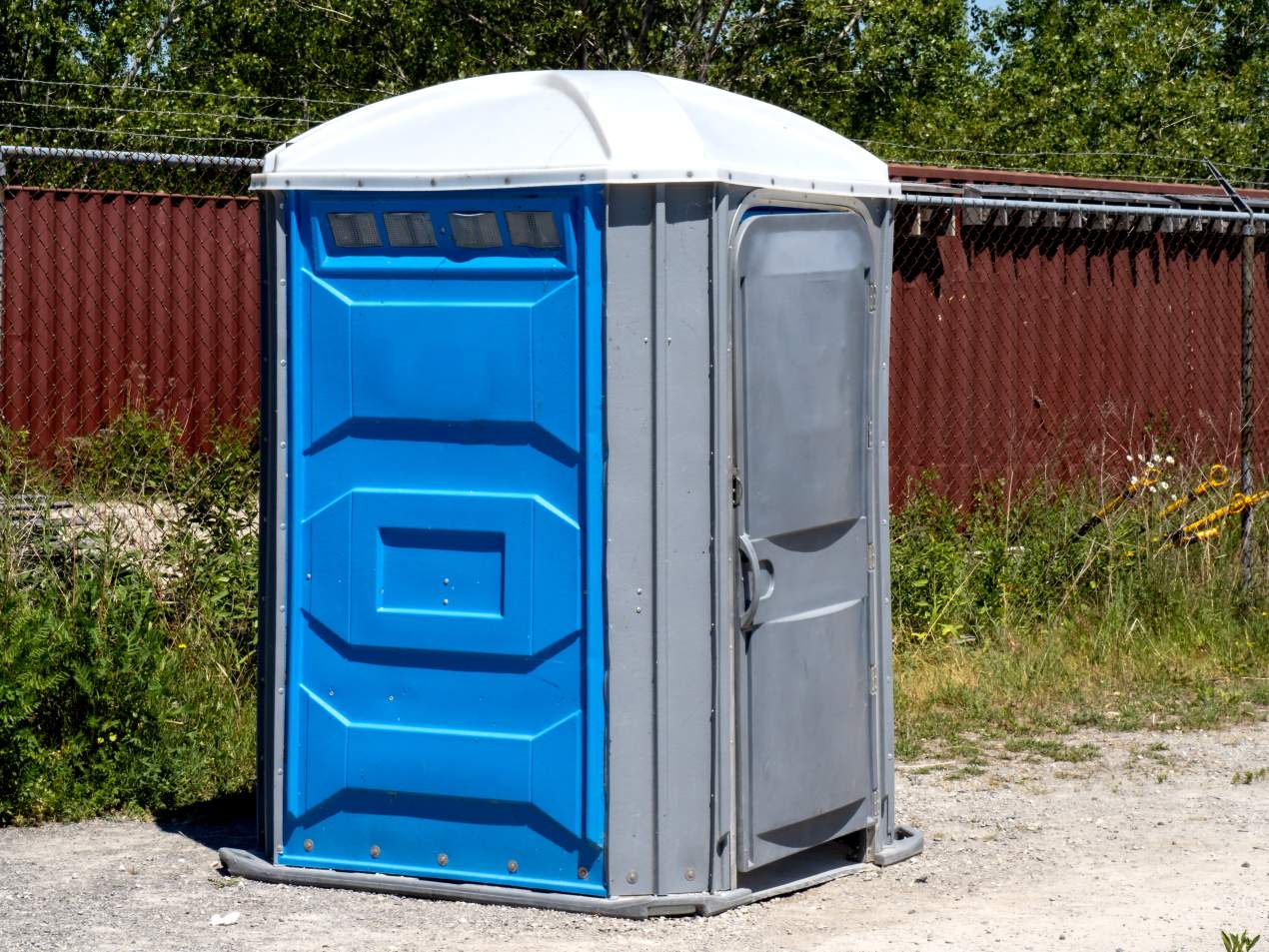
Home renovations bring excitement, dust, noise, and a long list of moving parts. One detail that many homeowners overlook until the last minute is restroom access. If workers are in and out of your house all day, and your regular bathroom is blocked off or under construction, a portable toilet can save time, reduce mess, and make the job run more smoothly from the first morning on-site.
Before your renovation begins, it helps to know when a rental makes sense, what type to choose, how pricing works, and where the unit should go. Starting with the reason it matters can make the rest of the planning much easier.
Why a Portable Toilet Matters During a Home Renovation
When Indoor Bathrooms May Be Unusable
Many renovation projects affect plumbing, water service, flooring, or access to key parts of the home. A bathroom remodel is the obvious example, but kitchen renovations, repiping work, room additions, and full-home updates can also limit restroom use. In some cases, crews must shut off water lines for hours. In others, a hallway or entry route to the bathroom becomes part of the work zone.
If your household only has one bathroom, even a short disruption can create stress for both residents and contractors. A portable toilet gives everyone a backup plan that does not depend on the state of the indoor plumbing. Once that issue is clear, the practical benefits become easier to see.
How a Portable Restroom Keeps Crews Productive and Your Home Cleaner
Workers who have easy restroom access spend less time leaving the property. That can help the workday stay on schedule, especially on larger jobs with several trades rotating through the site. It also reduces foot traffic through finished areas of the home.
For homeowners, that means:
- Less dirt tracked indoors
- Fewer interruptions
- Better privacy for the household
- Less wear on recently cleaned or completed spaces
A portable toilet also helps set clear boundaries. Contractors do not have to ask which bathroom they should use, and homeowners do not have to manage that conversation repeatedly. That matters even more on projects where the scope keeps expanding.
Common Renovation Projects That Benefit Most From a Rental
Some projects are much more likely to need a portable restroom than others. These include:
- Full bathroom remodels
- Whole-home renovations
- Large kitchen remodels with plumbing changes
- Garage conversions
- Room additions
- Outdoor living projects with crews working outside most of the day
- Roofing, siding, or major exterior work on homes with limited interior access
If your renovation falls into one of those groups, it is worth looking at the signs that a rental is not just helpful, but practical.
Signs You Should Rent One for Your Project
Large Remodels With Multiple Contractors on-site
The more people working on your property, the more restroom demand increases. General contractors, plumbers, electricians, tile crews, painters, and inspectors may all be part of the same project. Even if each person is only there for part of the day, the combined traffic adds up quickly.
A dedicated portable toilet keeps the jobsite organized and helps avoid delays caused by workers leaving to find public facilities. That point becomes even stronger in homes where restroom access is already limited.
Homes With Only One Bathroom or Limited Access
A one-bathroom home is the clearest sign that a rental deserves serious thought. If that single bathroom is under renovation, blocked by materials, or shared by a busy household, the strain shows up fast. Families with children, older adults, or people working from home often feel this pressure even more.
Even homes with two bathrooms can run into trouble if one is inside the work area and the other is far from where crews are working. That leads naturally to the question of which unit makes sense.
Outdoor Additions, Garage Conversions, and Whole-home Renovations
Projects that shift work outside the main house often benefit from a nearby portable restroom. An addition in the backyard, a detached garage conversion, or a major exterior upgrade may keep workers far from indoor facilities for much of the day.
Whole-home renovations are another strong case. If several rooms are under active construction at once, keeping workers out of living spaces can make daily life far less stressful. Once you know a rental is the right move, the next step is choosing the best type.
Choosing the Right Type of Portable Toilet
Standard Portable Toilets for Basic Jobsite Needs
A standard unit is usually enough for small to mid-sized home renovations. It provides the basic function crews need and often fits comfortably on a driveway, side yard, or other accessible area. For homeowners trying to control costs, this is often the most practical choice.
Still, not every jobsite has the same expectations or site conditions, which is where upgraded models come in.
Deluxe Units With Handwashing Stations and Extra Comfort Features
Deluxe units often include a sink, hand sanitizer dispenser, better ventilation, interior lighting, and a roomier layout. These features can make a noticeable difference on longer projects or sites with multiple workers.
If sanitation and comfort are a priority, or if clients and project managers will be on-site often, a deluxe unit may be worth the extra cost. Homeowners comparing options may also want to consider consulting with a mobile toilet for rent service that can explain what is included in each model before booking. Accessibility is another point that should be considered early.
ADA-accessible options and when they are required
ADA-accessible portable toilets are larger, easier to enter, and designed to allow better mobility support. They are often needed if a worker, visitor, or resident has mobility needs. On residential projects, they may not always be legally required, but they can still be the right choice based on who will use the site.
Here is a quick comparison of common rental options:
| Unit type | Best for | Common features |
| Standard portable toilet | Small to mid-sized remodels | Basic toilet, ventilation, toilet paper |
| Standard with sanitizer | General contractor use | Basic toilet, hand sanitizer dispenser |
| Deluxe unit | Longer projects, frequent use | Sink, better airflow, roomier interior |
| ADA-accessible unit | Mobility needs, wider access | Larger door, more interior space, handrails |
| High-rise or compact unit | Tight jobsite placement | Smaller footprint for limited space |
That side-by-side view helps narrow the choice, and from there the main question becomes how long the rental should stay on-site.
How Long to Rent a Portable Toilet for a Renovation
Matching Rental Length to Your Construction Timeline
Start with the contractor’s projected schedule, then compare it with the phases of work that affect bathroom access. If demolition and plumbing rough-in are expected to last three weeks, that is the minimum starting point. If finish work and inspections may also limit access, you may need a longer rental period.
Short jobs may only need a unit for a weekend or a week. Bigger renovations often run several weeks or months. Schedules, though, do not always go exactly as planned.
Planning for Delays, Inspections, and Project Extensions
Material delays, permit issues, weather, and inspection timing can all push a project past its original deadline. It is smart to ask the rental company how extensions work before the unit is delivered. Some companies charge a simple weekly rate. Others may require notice several days in advance.
Leaving yourself a time buffer can help avoid last-minute stress, especially during active construction. That also helps you compare short-term and long-term pricing more clearly.
When Short-term vs. Long-term Rentals Make the Most Sense
Short-term rentals work best for brief, focused jobs such as a bathroom gut renovation or a weekend concrete pour with several workers on-site. Long-term rentals are usually the better fit for additions, major interior remodels, and full-home updates.
If the project has several distinct phases, ask whether the unit can be removed and returned later. With timing mapped out, placement becomes the next practical concern.
Where to Place the Unit Before Day One
Access Requirements for Delivery and Pickup Trucks
Portable toilets must be placed where delivery trucks can reach them safely. That usually means a level area with enough clearance for lifting and unloading. Tight gates, low tree branches, parked cars, or steep grades can create problems on delivery day.
Confirm dimensions and truck access with the rental company in advance. Placement also affects how well your property holds up during the project.
Protecting Driveways, Landscaping, and Walkways
A heavy unit placed in the wrong spot can mark soft ground, block walkways, or interfere with materials staging. Driveways are common placement areas, but homeowners may want to use plywood or other protective material if they are concerned about surface marks.
Try to choose a spot that is:
- Easy for workers to reach
- Out of the main path of family movement
- Stable and level
- Far enough from windows and outdoor seating areas
Before finalizing that location, check for any local rules that might affect it.
Local HOA, Neighborhood, or City Placement Restrictions to Check
Some neighborhoods, HOA communities, or local governments have rules about how long a portable toilet can remain visible from the street or where it may be placed. There may also be permit rules if the unit will sit on a public street or sidewalk area.
A quick check before delivery can prevent fines or complaints later. After placement is settled, cost is usually the next issue homeowners want to understand.
Understanding Portable Toilet Rental Costs
What is Typically Included in the Rental Price
Most rental quotes include delivery, pickup, the unit itself, and a set service schedule. Service often covers waste removal, cleaning, and restocking toilet paper or sanitizer. The exact terms vary, so ask for a written breakdown.
That baseline quote may look simple, but several factors can change the final price.
Factors That Affect Cost, From Duration to Servicing Frequency
Portable toilet rental costs often depend on:
- Rental length
- Type of unit
- Number of units
- Service frequency
- Delivery distance
- Site access difficulty
- Local market rates
A standard unit with weekly service usually costs less than a deluxe or ADA-accessible model with more frequent cleaning. Knowing what can change the price helps you ask better questions about fees.
Extra Fees Homeowners Should Ask About Upfront
Ask whether the quote includes:
- Extra servicing visits
- Damage charges
- Relocation fees if the unit must be moved
- Emergency call-out service
- Weekend delivery or pickup
- Permit-related charges
Clear pricing helps avoid surprises once the renovation is underway. It also sets up a better conversation with the rental company before you sign anything.
What to Ask the Rental Company Before You Book
Cleaning and Restocking Schedules
Ask how often the unit will be cleaned and what supplies are refilled during each visit. For a busy residential jobsite, weekly service may be enough, but heavier use may call for more frequent attention.
If you know the expected crew size, share that information so the company can recommend an appropriate schedule. Service quality matters even more if the project runs long.
Emergency Service, Weekend Support, and Extension Policies
Problems do not always happen during weekday office hours. If the unit tips, runs low on supplies, or needs urgent attention, you want to know whom to call. Ask about response times, weekend support, and how rental extensions are handled.
A company with clear policies tends to be easier to work with over the life of the project. Contract details deserve the same level of care.
Insurance, Permits, and Damage Responsibilities
Before booking, ask who is responsible if the unit is damaged by weather, a vehicle, or jobsite activity. Also confirm whether any local permits are needed and who handles them. Some companies manage this directly, while others leave it to the homeowner or contractor.
Once the paperwork is clear, keeping the rental in good shape day to day becomes much easier.
Practical Tips to Keep the Rental Clean and Hassle-Free
Setting Expectations With Contractors and Crews
A simple conversation at the start of the project can make a big difference. Let your contractor know the portable toilet is there for crew use and ask them to remind everyone to treat it respectfully. Clear expectations help avoid misuse, trash buildup, and unnecessary mess.
Daily habits often matter as much as the scheduled service visits.
Stocking Supplies and Maintaining Sanitation Between Service Visits
Even if the rental company handles regular restocking, it helps to keep a few backup items nearby, such as:
- Extra toilet paper
- Hand sanitizer
- Disinfecting wipes
- Air freshener
You may not need to use them often, but they are helpful during heavy-use periods or service delays. Small upkeep steps can also reduce odor and neighbor concerns.
Reducing Odors and Minimizing Impact on Neighbors
Place the unit away from outdoor dining areas, front entries, and nearby property lines if possible. Keep the door closed when not in use, and ask the rental company whether odor-control products are part of the service plan.
If neighbors are close by, a discreet placement choice can make the site feel less intrusive. With those practical details covered, a final pre-delivery check can help the renovation start on time.
Final Checklist for Homeowners Before Delivery Day
Confirming Placement, Timeline, and Access Details
Before the truck arrives, confirm the exact drop-off spot, delivery window, and pickup plan. Move cars, open gates, and clear any low branches or obstacles that could block access. If the contractor wants the unit near a staging area, verify that the location still works for the rental company.
That final check can prevent a frustrating delay on day one.
Reviewing the Contract and Service Terms
Read the service agreement carefully. Confirm the rental period, cleaning schedule, included supplies, extension terms, and any extra charges. Make sure contact information for service requests is easy to find.
A short review now can save several phone calls later.
Preparing Your Property So the Renovation Starts Smoothly
Set the site up so the portable toilet supports the renovation rather than complicates it. Mark the placement area if needed, protect surfaces that may be affected, and let your contractor know the plan. If everyone understands where the unit is, how long it will stay, and who to contact with issues, the project starts with one less thing to worry about.
For homeowners, that peace of mind is often worth far more than the rental itself.