

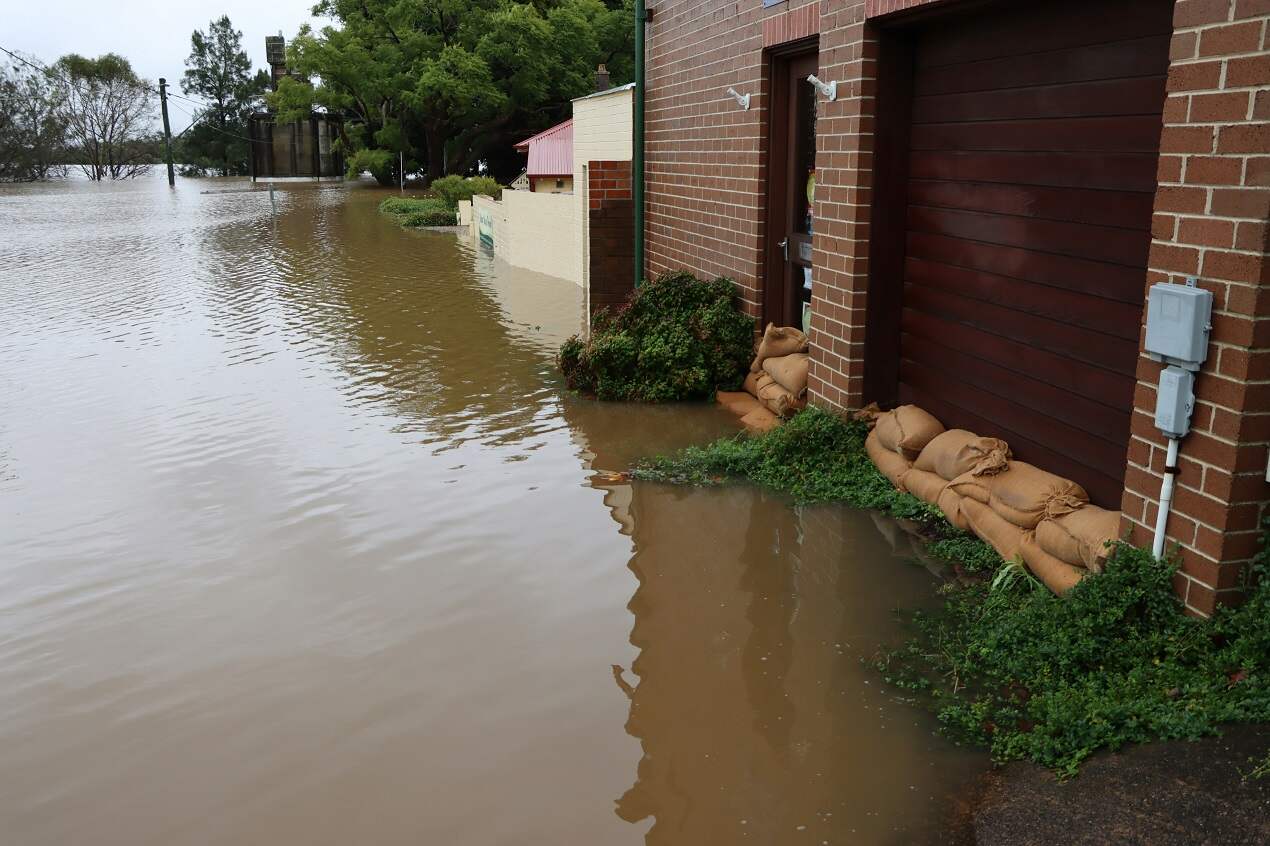
A well-designed home provides comfort, security, and longevity. Yet, one of the most overlooked elements of home protection is the drainage system. Many homeowners focus on aesthetic upgrades, roofing, or insulation, while the unseen network of drains and gutters quietly determines the overall health of the property.
Proper drainage ensures that rainwater, groundwater, and other forms of moisture are efficiently directed away from the home’s foundation, walls, and landscaping. Without it, the structural integrity of the property can deteriorate, leading to expensive repairs and unsafe living conditions. Understanding the role of drainage systems is essential for maintaining a resilient and secure home environment.
The Hidden Threat: Water Damage and Home Integrity
Water is one of the most persistent and damaging forces in a home. Even small leaks or pooling water can slowly undermine the strength of a structure. When drainage systems fail or are poorly designed, water seeps into basements, foundations, and crawl spaces. Over time, this intrusion can erode the foundation, cause wood to rot, and promote the growth of mold and mildew. Moisture buildup can also lead to warped flooring, cracked walls, and electrical hazards that pose serious safety risks.
A trusted water damage restoration company like Reliable Water Mitigation specializes in addressing these hidden threats by identifying vulnerabilities in drainage systems and implementing lasting solutions. Through careful inspection and tailored repair methods, they help homeowners prevent small drainage issues from escalating into structural crises.
This process not only safeguards the property but also ensures the health of those living within it.
Protecting the Foundation: The Core of Structural Safety
The foundation supports the entire weight of the home. When water collects around it, the soil expands and contracts with changing moisture levels. This process creates uneven pressure on the foundation, eventually leading to cracks, shifts, or even sinking. Once the foundation begins to move, the entire structure above it can become unstable.
Effective drainage plays a vital role in preventing this. Systems such as French drains, sump pumps, and graded landscapes ensure that water is diverted safely away from the foundation. Even simple adjustments, like extending downspouts or installing proper gutters, can dramatically reduce the risk of water-related damage.
Safeguarding Indoor Air and Health
Excess moisture does not stop at structural harm; it also affects the air quality inside a home. Damp conditions encourage the growth of mold and bacteria, which can lead to respiratory problems and allergies. A musty odor is often the first indicator that the drainage system is failing to do its job. When moisture seeps into walls or flooring, it becomes trapped, creating an ideal environment for harmful microorganisms to thrive.
Proper drainage ensures that water does not linger long enough to create these conditions. By keeping basements, crawl spaces, and walls dry, homeowners can prevent the growth of mold and protect the quality of their indoor air.
Landscaping and Exterior Protection
A home’s exterior design and landscaping can either support or compromise its drainage efficiency. For homeowners seeking next level guidance, landscaping Miramar professionals can help design and implement solutions that prevent water pooling and protect your foundation. Improperly graded lawns, blocked gutters, or overwatered gardens can all lead to water pooling around the home. While lush landscaping may enhance a home’s visual appeal, it can also cause water to accumulate near the foundation if not carefully planned.
Integrating proper drainage solutions within landscaping is key. Sloping the ground away from the home, using gravel beds to absorb runoff, and installing yard drains all contribute to effective water management.
Preventing Basement Flooding and Structural Deterioration
Basements are particularly vulnerable to poor drainage because they sit below ground level, where water naturally collects. A single heavy rainfall can cause water to infiltrate through cracks or porous concrete, leading to flooding. Over time, this moisture weakens walls and creates an ideal environment for mold.
A functional drainage system eliminates these risks. Sump pumps and perimeter drains, when properly installed, channel water away from the home before it can cause harm.
Roof and Gutter Maintenance: The First Line of Defense
While most people associate drainage systems with underground pipes or exterior grading, the roof plays a crucial role in controlling water flow. Gutters and downspouts collect and redirect rainwater, preventing it from cascading down walls or pooling near the foundation.
However, when gutters become clogged with leaves or debris, they overflow, allowing water to run down the siding and into the ground next to the home.
Routine gutter cleaning and inspections can prevent this problem. Homeowners should ensure that downspouts extend far enough from the house to direct water safely away. Installing gutter guards or splash blocks can also enhance drainage performance.
The Importance of Regular Inspection and Maintenance
Even the most well-designed drainage systems require periodic maintenance. Over time, soil movement, debris accumulation, and weather changes can affect performance. Regular inspections allow homeowners to identify issues early, such as blocked drains or improper grading, before they develop into serious problems.
Proper drainage is not just an optional home feature but a critical element of protection. It shields the foundation, prevents mold growth, preserves indoor air quality, and maintains the structural integrity of the entire home. By investing in reliable drainage systems and regular upkeep, homeowners ensure that their property remains secure, dry, and durable for years to come.