

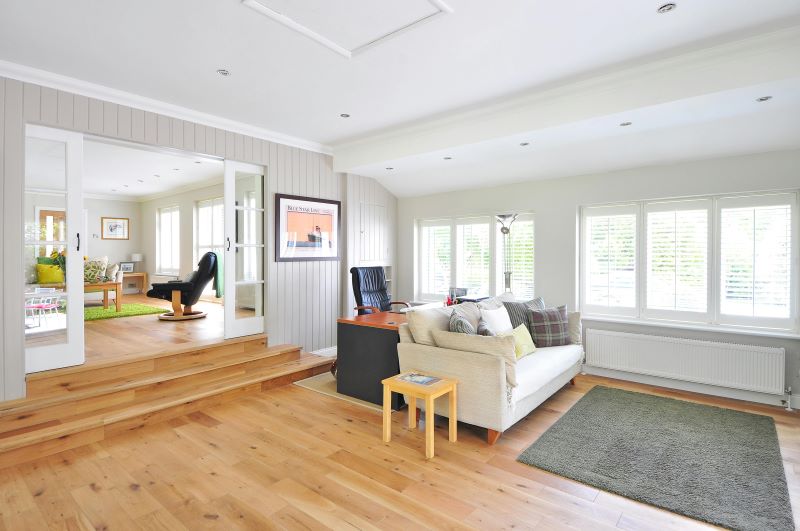
When it comes to choosing flooring, knowing how to evaluate quality before you buy is essential. Whether you’re laying down hardwood, laminate, vinyl, or tile, which are offered by Gillett Flooring, making the right choice is an investment in style, comfort, durability, and value.
1. Define Your Needs and Priorities
Start your selection process by clarifying:
- Location & usage: Kitchens and hallways see more traffic and moisture; living rooms and studies experience less.
- Lifestyle demands: Homes with kids, pets, or frequent footfall require durable, low-maintenance options.
- Budget & value: Balance initial cost against lifespan—sometimes cheaper per square meter isn’t cheaper long-term.
Knowing these factors helps narrow down your choices to materials that suit your home and expectations.
2. Assess Construction and Core Quality
For Laminate Flooring
- Core material: High-density fiberboard (HDF) resists swelling and warping; avoid products using medium-density (MDF).
- Thickness: 8–12 mm is ideal; thicker floors offer better durability and feel.
- AC Rating: Aim for AC3 for domestic use and AC4+ for high-traffic areas.
For Vinyl/LVT (Luxury Vinyl Tile/Plank)
- Wear layer: Look for 12 mils minimum—20 mils for busy households.
- Embossed texture: “Embossed-in-register” texture adds a realistic, tactile feel.
- Core type: Rigid core or waterproof grade adds stability and moisture resistance.
For Hardwood and Engineered Wood
- Solid vs engineered: Solid wood is traditional and long-lasting; engineered wood resists moisture better.
- Hardness test: Press your fingernail into wood; a quality hardwood resists indentation.
- Grain and authenticity: Real hardwood shows varied grain patterns; veneers may appear overly uniform.
3. Examine Surface Wear Protection
Quality flooring is built for longevity:
- Laminate: Check for a thick wear layer; AC3+ is ideal.
- Vinyl: Thicker wear layers and scratch-resistant finishes protect against daily wear.
- Hardwood: Durable wood species (e.g. oak, teak) with quality lacquer or oil finish means fewer dents and scratches.
4. Check Installation Systems
Proper installation contributes to the lifespan:
- Click‑lock systems: Effective on laminate, vinyl and engineered wood; test sample click for fit and tightness.
- Glue‑down vs floating: Depending on moisture and subfloor, a glued installation may offer sturdiness—ask professionals.
- Edge details: Bevelled edges and precision profiling reduce gaps and create a seamless aesthetic.
5. Review Visual Realism and Authenticity
High-quality floors feel and look natural:
- Laminate: Deep embossing, aligned grain patterns, and bevelled edges enhance realism.
- Vinyl: Textured visuals and realistic embossing mimic natural materials convincingly.
- Tile: Natural stone or wood-look tiles should carry consistent glaze and minimal repeats—look for PEI rating too.
6. Evaluate Durability and Suitability
Different floors have unique strengths:
- Solid hardwood: Long-lasting (potentially 100+ years) with refinishing.
- Engineered wood: Warmer and resilient, though less refinishing—lasts ~25–30 years.
- Laminate: Scratch-resistant; quality options can last 10–15 years.
- LVT/Vinyl: Waterproof, family‑proof; expect 15–20 years with heavy wear.
- Tile/Stone: Extremely durable; longevity depends on installation, but up to 20–25 years.
7. Sustainability & Indoor Air Quality
For eco-conscious homes:
- Look for FSC-certified wood, Floor Score/Green Guard low-VOC certifications.
- Consider bamboo, cork, or reclaimed wood as renewable options.
- Avoid outdated, unhealthy options like vinyl containing asbestos.
8. Check Warranties and Brand Credibility
A strong warranty reflects confidence:
- Laminate & vinyl: Look for 15–30 years warranty.
- Hardwood/tile: Manufacturer-backed coverage for structural failure or finish defects.
- Brand research: Review specialist and customer testimonials via platforms like.
9. Factor in Installation and Aftercare
- Assess installation costs and subfloor preparation needed.
- Determine ongoing maintenance: wax, polish, reseal frequency.
- Ask if professional fitting is recommended; high-quality materials may need skilled installers.
10. Avoid Common Purchasing Pitfalls
- Don’t be swayed by merely low prices—if it seems too cheap, it might lack durability.
- Don’t forget to inspect real samples in situ, under actual light – sheen and colour can vary.
- Think long-term durability over short-term trends—avoid shiny or overly distressed looks that date quickly.
Final Tips for Smart Flooring Purchases

- Define your needs: traffic, moisture, comfort.
- Inspect samples: test lock, look closely at edges and texture.
- Check specs: core, wear layer, certifications, warranty.
- Understand costs: include installation and maintenance.
- Trust professionals: installers, showrooms, reputable brands.
- Avoid trends: favor timeless design for long-term appeal.
By following these steps—evaluating core integrity, surface protection, installation fit, durability, sustainability and support—you can confidently select high-quality flooring that stands the test of time, enhances your home’s look, feel and value.
When selecting high-quality flooring, don’t underestimate the value of seeing samples in person. This allows you to assess colour accuracy, texture, and how the material reacts to light in your space. If possible, test the sample underfoot to gauge comfort and acoustics—particularly important for upstairs rooms or flats. Pay close attention to how the flooring feels—premium options tend to feel more solid and substantial. Always consult with professionals if in doubt, especially for subfloor conditions or technical specifications. Ultimately, investing in quality flooring materials ensures durability, enhances aesthetics, and contributes to a more comfortable and valuable home environment.