

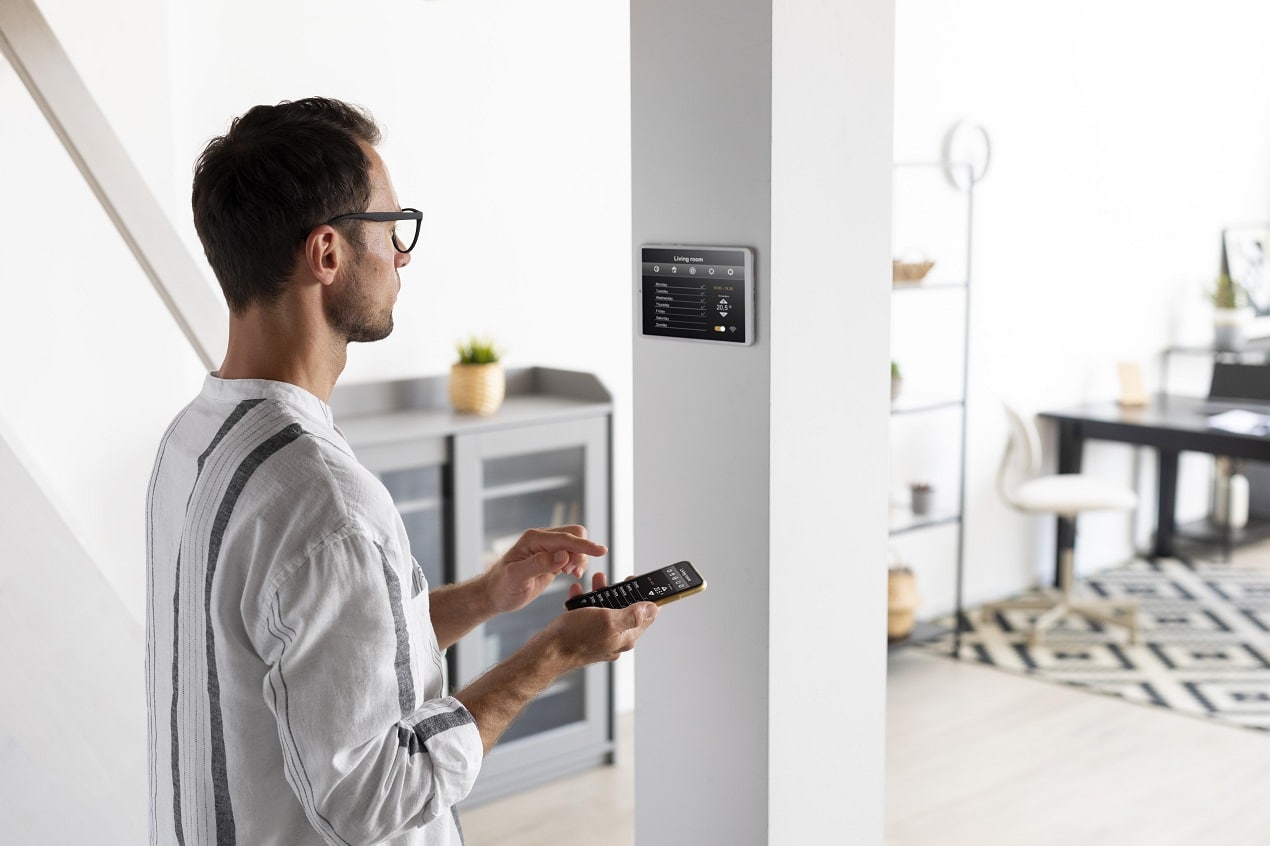
Smart homes are no longer the future; they’re the present. We are living in the advanced-tech future foretold by innumerable sci-fi books, shorts, films and cultural theorists, only it’s a little bit more banal than we may have initially been led to believe. But banal doesn’t mean boring, nor does it mean useless.
If you engage with modern smart-home technologies in the right way, you can make your life a great deal easier – whether its through modern conveniences related to streaming and sharing media or simply making your home safer and more liveable. But, as with anything that involves the internet, safety is a crucial consideration.
Start With a Secure Home Network Foundation
This is why any tech-forward smart home technology needs to be predicated on a safe, secure home network foundation. For the uninitiated: your Wi-Fi router is the backbone of any smart home, and just as vulnerable as any other – at least, without careful consideration. Changing default credentials and enabling strong encryption – ideally, WPA3 – is a good start, and updating firmware should be on regular rotation as an act of maintenance.
Using these fundamentals, you are in a position to start adding devices to your network – at which point, you get to be as techy or commercial as you please. Some will go for broke with a home server system, which enables customised control over a mini-network with its own benefits (including, for instance, streaming content across devices a la a mini, locally-run Netflix); others are content to link up their Ring doorbells and wireless CCTV for better home safety.
Choose Trusted Devices and Manage Permissions Carefully
However techy you intend to get, you’ll need to be careful here. Third-party devices are not inherently trustworthy; to minimize risk related to backdoor entry through fraudulent or poorly secured IoT products, you’re better off buying devices from reputable manufacturers, checking for ongoing software support, and reviewing app permissions before connecting products to your network.
Protect Smart Devices With Strong Authentication and Encrypted Access
Smart devices of the commercially-purchasable variety will, invariably, require you to make an account with the overarching brand. It should not need repeating here just how important a strong, unique password is to internet security, nor the importance of multi-factor authentication to protecting sensitive information.
Remote access is a prevailing feature of smart tech like cameras and thermostats – and, itself, presents a vulnerability to your home’s security, particularly if you’re controlling devices from a device outside the home. You might find it beneficial to secure extra protection while accessing smart home apps remotely; VPNs are powerful tools for this, and a free VPN for Windows can be just what you need for safe access to home smart tech from a laptop.
Keep Software Updated and Monitor for Unusual Activity
Mention was made of firmware earlier; regular firmware and app updates are nothing short of essential to smart home security, particularly as connected homes become more common and cyber threats evolve. The importance of proactive monitoring and safe browsing habits cannot be overstated, in what is a new frontier of contemporary smart-living.