

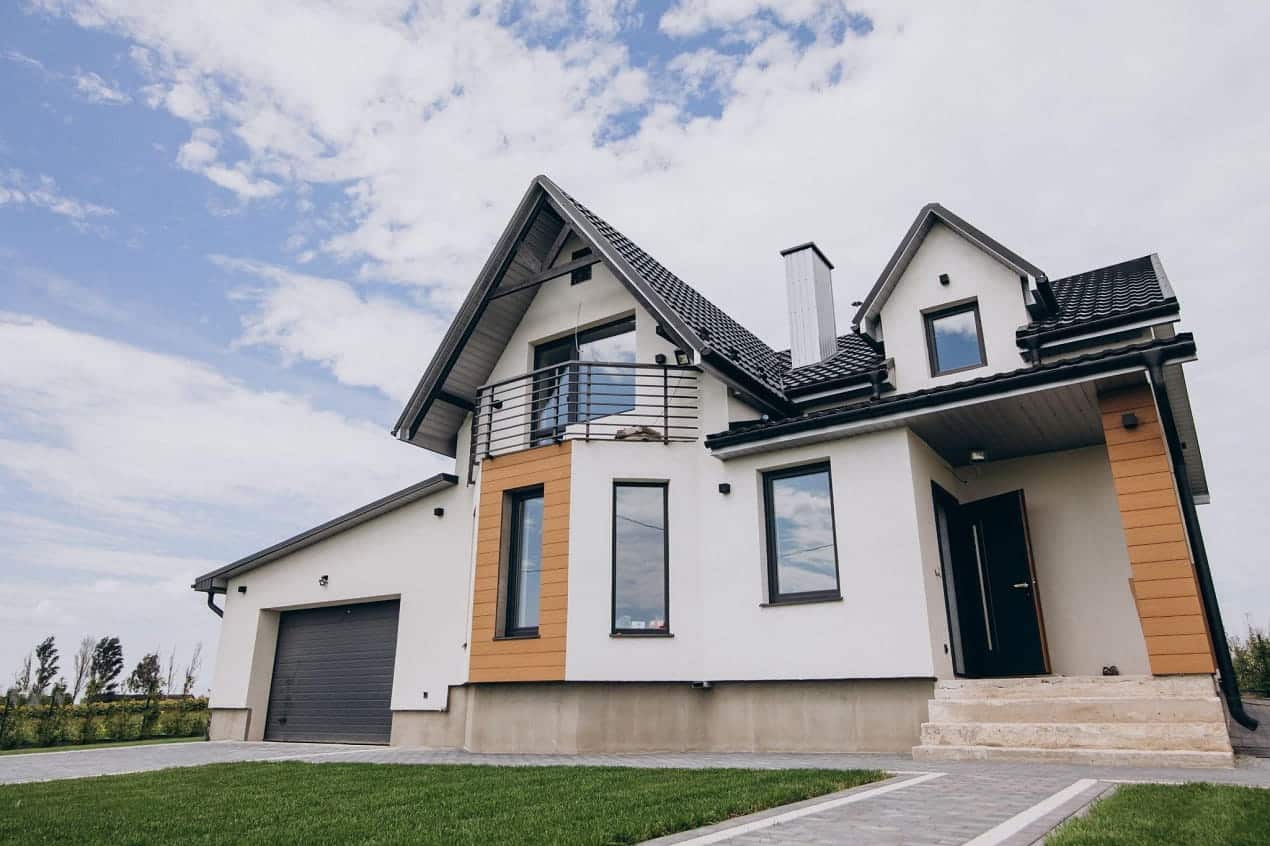
There is a moment many homeowners reach, often somewhere between scrolling through real estate listings and second-guessing yet another weekend spent doing nothing about the house, where the thought creeps in: we need more space. Maybe the kitchen feels cramped, the kids have outgrown their rooms, or the living area simply no longer reflects who you are or how you live. It is a feeling shared by households right across Australia, from the inner suburbs of Sydney and Melbourne to the growing family neighbourhoods of Brisbane, Perth, and Adelaide.
The instinct is often to move. But in today’s market, relocating is rarely the straightforward solution it once seemed. Between soaring property prices, stamp duty, agent fees, removalists, and the sheer emotional weight of uprooting your life, moving can cost far more than it saves. Across Australia, more homeowners are discovering that first floor additions in Sydney and other major cities offer a smarter, less disruptive path forward.
Here is the good news: in most cases, the home you already have holds far more potential than you realise. With the right design thinking and a clear plan, transforming your existing space into something that genuinely fits your life is not only possible. It is often the smarter, more rewarding choice.
Rethinking the Potential of Your Current Home
The first shift is a mental one. Most of us view our homes as fixed objects rather than living, adaptable environments. We accept that a hallway is always just a hallway, or that a garage exists only for cars. But when you start looking at your home through a designer’s eye, something changes.
Walk through each room and ask yourself: what is this space actually being used for, and what could it become? You may find an underutilised study that could double as a guest room, a wide corridor that could accommodate built-in storage, or a rear courtyard that is just waiting to be incorporated into the main living area.
Many homes, particularly older Australian properties, were built to different lifestyle standards. Open-plan living, indoor-outdoor flow, and multipurpose rooms were not always priorities. That does not mean the bones aren’t there. It often means you simply need someone with the vision and expertise to help you unlock them.
Designing a Home That Fits Your Lifestyle
Once you have made the decision to improve rather than move, the next step is getting intentional about what you actually want. This is where lifestyle design comes in, and it goes well beyond choosing finishes or furniture.
Think about how your household moves through the home on a typical day. Is the kitchen the true heart of the house, constantly used and always congested? Is there a dedicated space for homework, hobbies, or working from home? Are your living and dining areas genuinely connected, or do they feel awkward and disconnected?
Functional layouts solve real problems. Open-plan living, when done well, creates a sense of space, encourages connection, and allows natural light to travel deeper into the home. Flexible spaces, rooms that can shift their purpose as your family’s needs evolve, add enormous long-term value. And thoughtful placement of windows, skylights, and glazed doors can completely transform how a home feels, turning previously dark or uninviting areas into light-filled retreats.
The most effective redesigns are not just aesthetically beautiful. They are rooted in a genuine understanding of how people live.
Smart Ways to Add More Space Without Relocating
When your home needs more room, an extension is often the most cost-effective and lifestyle-preserving way to get it. Rather than leaving a neighbourhood you love or a school catchment that works for your family, extending allows you to stay put and build out. Across cities like Sydney, Melbourne, Brisbane, Perth, Adelaide, and Canberra, homeowners are increasingly choosing to invest in their existing property rather than enter an already stretched market. Here are some of the most popular options to consider:
- Rear ground-floor extension Push into your rear garden to create a larger kitchen, open living area, or master suite. This is one of the most common approaches for families who need more day-to-day living space.
- Garage conversion Transform an underused garage into a functional studio, home office, or additional bedroom with relatively minimal disruption to the rest of the home.
- Side return extension Many older terrace and semi-detached homes have a narrow side passage that goes largely unused. Incorporating this into the main footprint can dramatically widen a kitchen or living area.
- Wraparound extension Combining a rear and side return extension creates a wraparound footprint, offering maximum ground-floor space and excellent opportunities for open-plan living.
Before committing to an extension type, it is worth speaking with a specialist who can assess your block’s constraints, council requirements, and structural realities. The right option for your home may not be the most obvious one at first glance.
For Australian homeowners weighing up their options, a well-planned home extension in Sydney can add considerable floor space while increasing the overall value and liveability of your property.
The key to a successful extension is not simply adding space. It is about adding the right kind of space, in a way that integrates seamlessly with the existing structure. Poor planning leads to homes that feel cobbled together, with jarring transitions between old and new. Good planning creates something that looks and feels entirely intentional.
A few things to keep in mind as you plan:
- Natural light should be a priority from the very start, not an afterthought.
- New spaces must connect logically with your existing floor plan.
- Budget for council approvals, engineering, and finishes alongside the build itself.
- Consider how the extension will look from the street as well as from inside.
Building Up to Maximise Your Space
For homeowners on smaller blocks or those who want to preserve their outdoor space, building up rather than out is often the most practical and impactful solution. A second storey addition transforms a modest single-storey home into something altogether more substantial, adding bedrooms, bathrooms, and living areas without sacrificing the garden below. In urban environments where land is at a premium, it is also simply a smarter use of what you already own. The structural and council approval considerations will vary depending on your property type, zoning, and existing footprint, which makes working with an experienced specialist all the more important.
Beyond the practical benefits, adding a first floor often allows you to completely reimagine your home’s layout. The ground floor can become a purely social space with open-plan living, dining, and kitchen, while the upper level houses private retreats for rest and study. This kind of vertical thinking changes not just the size of a home, but its entire character.
Bringing Your Vision to Life with the Right Expertise
Knowing what you want and knowing how to achieve it are two very different things. Home transformations of this scale, whether ground-floor extensions, second storey additions, or whole-home renovations, require specialist knowledge across design, engineering, council approvals, and construction. Choosing the right partner for this journey matters enormously. Next Storey Home Additions is a Sydney-based specialist that works with homeowners to design and deliver high-quality home extensions and additions from concept through to completion.
What sets a provider like Next Storey apart is their focus on the whole process, not just the build. From the initial consultation, where they take the time to understand how you live and what you are genuinely trying to achieve, through to design development, council liaison, and construction management, the approach is collaborative and end-to-end. For homeowners embarking on this kind of project for the first time, that guidance and continuity is invaluable.
Working with specialists who understand the nuances of Sydney’s residential market, local council requirements, and the structural realities of different property types means fewer surprises, smoother approvals, and a finished result that genuinely reflects your vision.
Creating a Home That Grows with You Starts with the Right Plan
The desire for more space, better flow, or a home that simply feels more like you. These are not passing whims. They are legitimate needs that deserve a thoughtful response. And in most cases, the answer is already sitting right in front of you.
Transforming your existing home is not the fallback option. For many households, it is the best option: financially, practically, and personally. You get to stay in the community you have built, keep the proximity to work and schools that work for your family, and invest meaningfully in an asset you already own.
Whether you are looking to extend outward, build upward, or simply reimagine what your current layout can become, the most important step is starting with a clear plan and the right team. When those two things come together, the home you have always wanted may be closer than you think.