

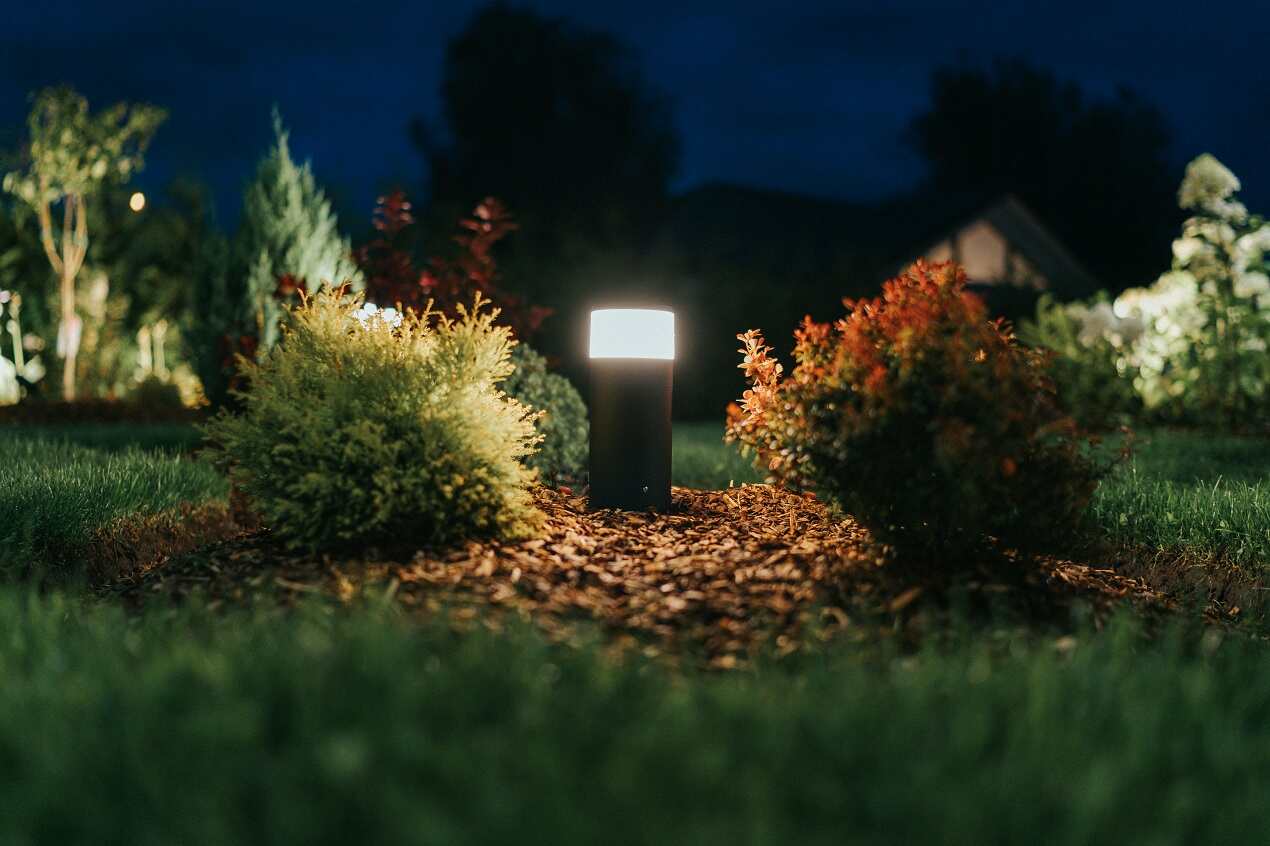
One of the most powerful things that the correct illumination can do is to turn your yard from an area to be forgotten into a sort of magical home extension once the sun goes down and the darkness spreads everywhere. Solar lighting has been a game-changer in the way people use to shed light on the exterior of their homes, giving a green solution that is not only very useful but also pretty. The era of complicated wiring and the increase of electricity bills is over. Contemporary solar technology is facilitating the creation of attractive nighttime landscaping while lessening the impact on the environment like never before.
Understanding the Solar Lighting Revolution
The progress of solar lighting technology has really been a fascinating one. Those dim and unstable fixtures that barely lasted through the night have now been replaced by one of the powerful and efficient lighting solutions that are almost equal to the electric ones. Solar lights of today are equipped with very efficient photovoltaic cells and LED technology which makes it possible for them to provide a bright light for even 12 hours continuously from one charging period. Such a great technological breakthrough has moved solar lighting from being merely an afterthought of the decorative to a serious landscape design tool.
The core idea of solar lighting is actually a very simple one. Solar panels during the day take in energy from the sun and change it to electricity which is kept in rechargeable batteries. At night, the lights are automatically turned on by the sensors which are a part of the system and the power for the operation is drawn from the batteries. The self-governing system is thus a way of ensuring that the outdoor spaces are always lit without you having to remember to flip a switch and there is no need for any continuous work from your side.
Choosing the Right Solar Fixtures
The market offers an impressive variety of solar lighting options, each designed for specific applications. Path lights remain the most popular choice, providing low-level illumination along walkways and garden borders. These typically stand between 12 and 24 inches tall and cast light downward to illuminate the ground without creating harsh glare. For broader coverage, consider solar powered outdoor lights designed for flood or spotlight applications, which can illuminate larger areas or highlight specific landscape features with focused beams.
String lights have become the go-to source to create an atmospheric outdoor living space. These celebratory lights make the evenings on the patios, pergolas, and decks fantastic retreats for either entertaining or relaxing. Nowadays solar string lights are also available with warm, Edison-style bulbs that can hardly be distinguished from the charming ones of the regular electric lamps but they work completely off-grid.
If you want to have more lights for an area that needs to be bright, such as a driveway or a big patio, you should choose solar light fixtures with bigger panels and higher lumen outputs. Some sophisticated models, for instance, can have a separate solar panel connected with a cable so that you can put the panel at the best spot in the sun and the light where you want, even if it is not a sunny place.
Installation Tips for Maximum Performance
Effective solar lighting setup starts with the knowledge of solar exposure. Solar panels need unfiltered sunlight for at least a few hours each day to be able to charge properly. Check out your yard between the hours of 10 AM and 2 PM when the sun is at its peak to determine where the sunniest spots are. Places that are covered with the branches of a tree, next to a high building or in an area that is shadowed by a house should be ruled out as these will very much lower the charging efficiency of the panels.
If you are putting on path lights or stake-mounted fixtures, make sure the ground is soft enough to allow for easy insertion but still firm enough to hold the stake tightly. In case the soil is rocky, drilling the pilot hole beforehand will save the stake from being damaged. Wall-mounted fixtures, on the other hand, should be installed in the sunniest spots where you will get the lighting coverage that you need minimal sacrifice of the solution is often required.
Creating Atmosphere Through Light Layering
Professional landscapers use lighting layering methods to highlight their outdoor spaces and make them visually more interesting and attractive. This concept can be applied in your garden by mixing different kinds of solar light fixtures of different heights and power. Low-level path lights serve the purpose of ground-plane illumination, whereas mid-height fixtures on posts or walls help to create vertical interest, and in addition, overhead string lights or lanterns become an ambient canopy of light.
Color temperature has also an important effect in creating the mood. Warm white lights (2700-3000K) produce soft, inviting atmospheres which are perfect for areas of entertainment, whereas cool white lights (4000-5000K) give off a crisp, clear visibility which makes them best suited for security purposes and task lighting. Some advanced solar fixtures now offer color-changing capabilities, thus you can change the ambiance to match the different occasions or seasons.