

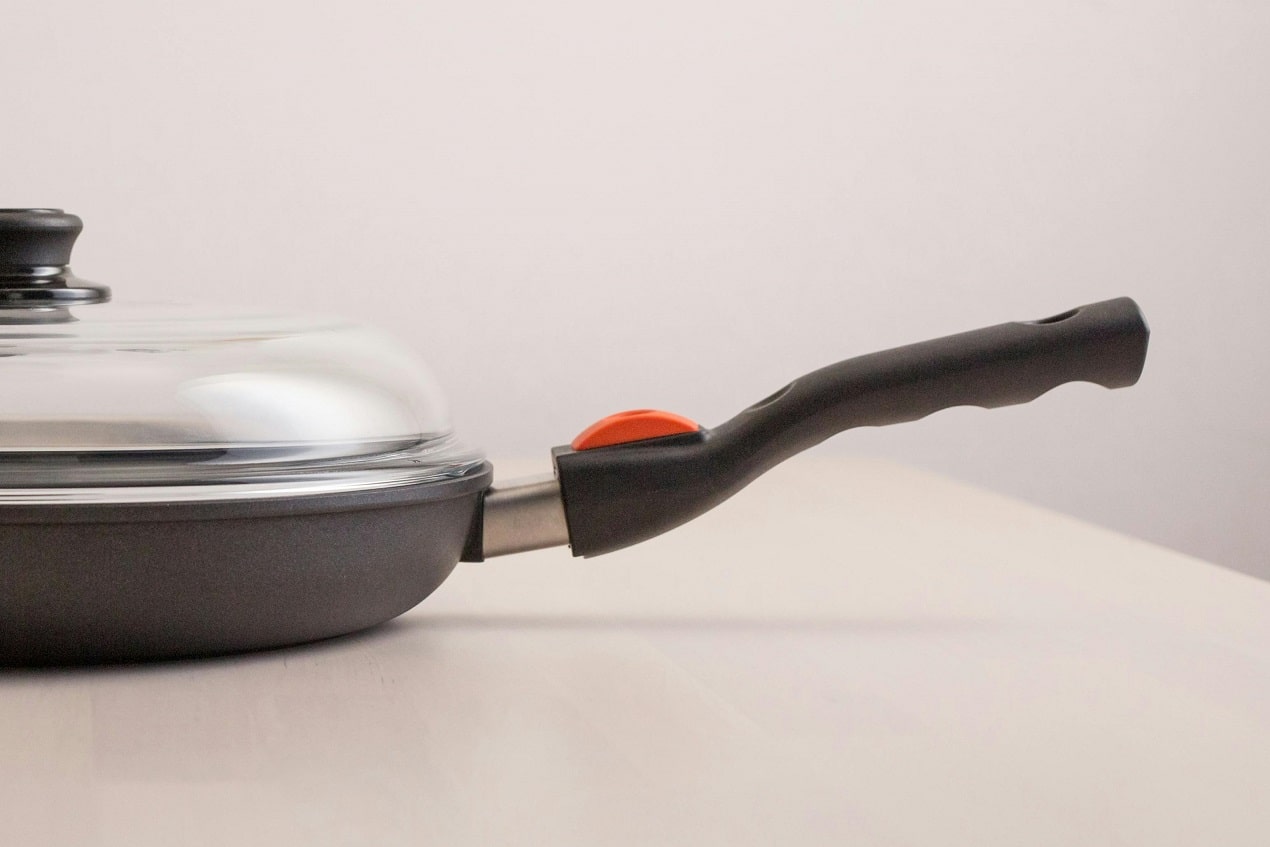
The Hidden Impact of Your Kitchen Tools
Most people underestimate how much their cookware affects daily life. Cooking is often seen as a routine task, but the tools you use can either make the process smooth and enjoyable—or frustrating and inefficient.
From uneven heating to food sticking to the surface, low-quality cookware introduces small problems that add up over time. These issues not only affect cooking results but also influence how often you actually enjoy spending time in the kitchen.
The Difference Between Cheap and Well-Designed Cookware
At first glance, all pans and pots might seem similar. But in practice, the differences are significant.
High-quality cookware typically offers:
- Better heat distribution
- More durable materials
- Easier maintenance
- Improved cooking consistency
These factors directly impact the outcome of your meals.
For example, when heat is distributed evenly, food cooks more predictably. You avoid burnt spots, undercooked areas, and unnecessary guesswork.
Designed for Everyday Use
The best cookware is not designed for occasional use—it’s made to handle daily cooking without losing performance.
This is where thoughtfully engineered collections stand out. Products like fiskars hard face are built with durability and usability in mind, making them reliable for everything from quick meals to more complex dishes.
Instead of constantly adjusting heat or compensating for poor materials, you can focus entirely on cooking.
Less Effort, Better Results
One of the most noticeable benefits of quality cookware is the reduction of effort required.
You spend less time:
- Scrubbing stuck food
- Adjusting temperature inconsistently
- Replacing worn-out items
And more time actually cooking.
This shift may seem small, but over weeks and months, it significantly improves your overall kitchen experience.
Why Material Choice Matters
The material of your cookware plays a major role in performance.
Non-stick surfaces, stainless steel, and layered constructions all offer different advantages. Choosing the right type depends on your cooking habits, but the key is consistency.
Well-designed cookware maintains its properties over time, ensuring that performance doesn’t degrade after a few uses.
This is especially important for people who cook regularly and rely on predictable results.
Simplifying Your Kitchen Setup
Another overlooked benefit of investing in better cookware is simplification.
Instead of owning multiple low-quality items for different purposes, you can rely on fewer, more versatile tools.
This reduces clutter and makes your kitchen easier to manage.
A streamlined setup also means:
- Faster meal preparation
- Less cleaning
- More organized storage
Which all contribute to a smoother daily routine.
The Long-Term Perspective
While high-quality cookware may require a higher upfront investment, it often proves more cost-effective in the long run.
Cheap alternatives tend to wear out quickly, requiring frequent replacement. Over time, this leads to higher cumulative costs and more frustration.
Durable cookware, on the other hand, maintains its performance and appearance for years.
This makes it a smarter choice for anyone looking to improve both their kitchen and their daily habits.
Cooking Becomes More Enjoyable
When your tools work with you instead of against you, cooking naturally becomes more enjoyable.
You gain confidence in your results, experiment more, and spend less time dealing with avoidable issues.
This shift can turn cooking from a chore into something you actually look forward to.
Final Thoughts
Improving your kitchen doesn’t always require a full renovation. In many cases, upgrading your cookware has a more immediate and noticeable impact.
By focusing on:
- durability
- consistency
- ease of use
You can create a kitchen environment that supports your daily life instead of complicating it. In the end, quality cookware isn’t just about better meals—it’s about a better overall experience in your home.