

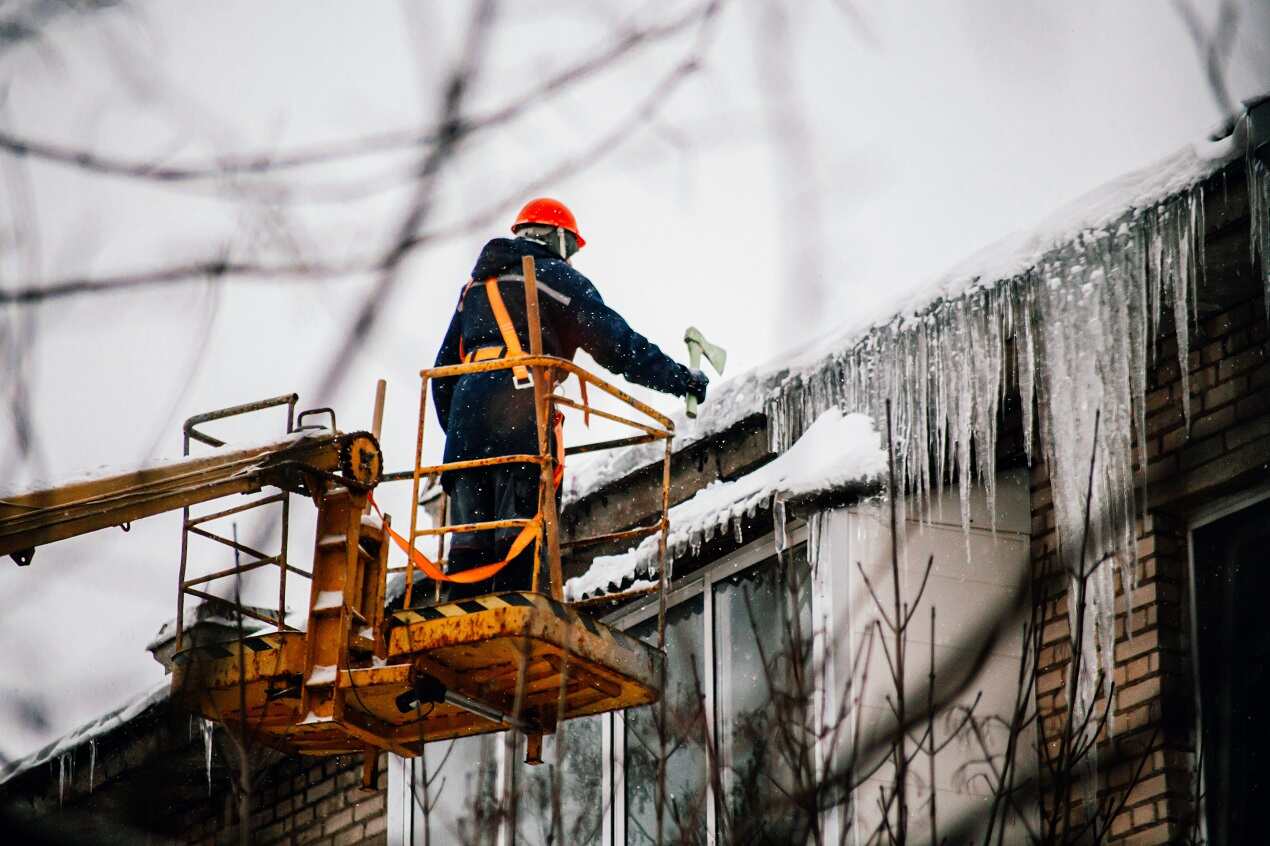
Winter weather has a way of exposing roofing problems that may go unnoticed during warmer months. Snow, ice, and freezing temperatures place added stress on residential roofing systems, and when existing issues are left unaddressed, winter conditions can quickly accelerate damage. What starts as a small concern before winter often becomes a much larger structural issue by the time spring arrives.
Cold weather doesn’t just slow down deterioration — it speeds it up.
Why Winter Is Especially Tough on Residential Roofs
Residential roofs are designed to protect homes year-round, but winter creates unique challenges. Snow accumulation adds weight, while fluctuating temperatures cause roofing materials to expand and contract. During the day, sunlight may melt snow on the roof surface. At night, temperatures drop, and that moisture refreezes, repeating the freeze–thaw cycle over and over.
Industry professionals consistently warn homeowners about these conditions:
“Snow, ice, and freeze–thaw cycles can accelerate roof deterioration. Delaying action often leads to more extensive damage than homeowners expect.” — Armour Shield Roofing, Roofing Contractor Based in London and Etobicoke
Once this cycle begins, damage can progress rapidly beneath the surface.
How Small Roof Issues Grow During Winter
Minor roof concerns are rarely minor once winter arrives. Loose shingles, aging materials, or worn flashing can allow small amounts of moisture to enter the roof system. When that moisture freezes, it expands, pushing roofing components further apart.
Over time, this process can lead to:
- Shingles lifting or breaking
- Water reaching the roof decking
- Breakdown of the roof’s protective layers
By the end of winter, damage that once seemed manageable often requires far more extensive work.
Ice Dams and Hidden Structural Damage
Ice dams are a common winter issue that can cause significant roof damage. They form when snow melts on warmer roof sections and refreezes near the roof edge, trapping water behind the ice. That trapped water is then forced under shingles and into the roof structure.
While the roof may look fine from the outside, ice dams can cause:
- Water-damaged roof decking
- Wet or compressed insulation
- Early wood rot within the roof system
Once these components are compromised, addressing surface issues alone is no longer enough.
Snow Load and Structural Stress
Snow is heavy, and when it accumulates on a roof with existing weaknesses, the added weight can create serious stress. Residential roofs nearing the end of their lifespan are especially vulnerable during prolonged periods of snowfall.
Excessive snow load can result in:
- Sagging rooflines
- Structural strain on framing
- Interior ceiling or drywall cracking
These warning signs often indicate that the roof system is no longer performing as it should.
Winter Moisture Is Often Hard to Detect
One of the most challenging aspects of winter roof damage is how often it remains hidden. Water doesn’t always drip directly into living spaces. Instead, it can travel through insulation and along framing before becoming visible inside the home.
This means moisture may sit within the roof system for months. By the time stains appear on ceilings or walls, the underlying damage is often advanced and more costly to address.
Why Waiting Makes the Problem Worse
Many homeowners delay action hoping their roof will make it through winter without major issues. Unfortunately, winter conditions often make existing damage worse, not better.
Delaying attention allows:
- Moisture to spread within the roof structure
- Roofing materials to deteriorate further
- Structural components to weaken over time
Once roof decking softens or structural integrity is compromised, more comprehensive solutions are usually required.
Timing Makes a Difference
Delaying winter roof issues can significantly increase the risk of structural damage. Snow, ice, and freezing temperatures expose weaknesses quickly, particularly on aging residential roofs. Addressing concerns early can help prevent more serious problems and protect the long-term stability of the home.
Being proactive before or during winter is often the difference between manageable work and extensive structural repairs later on.