

In the hyper-competitive arena of modern commerce, the battle for attention is fought in fractions of a second. Whether a customer is walking past a physical pop-up shop or a user is swiping through a feed of short-form video content, a brand must offer immediate visual disruption to prevent them from moving on.
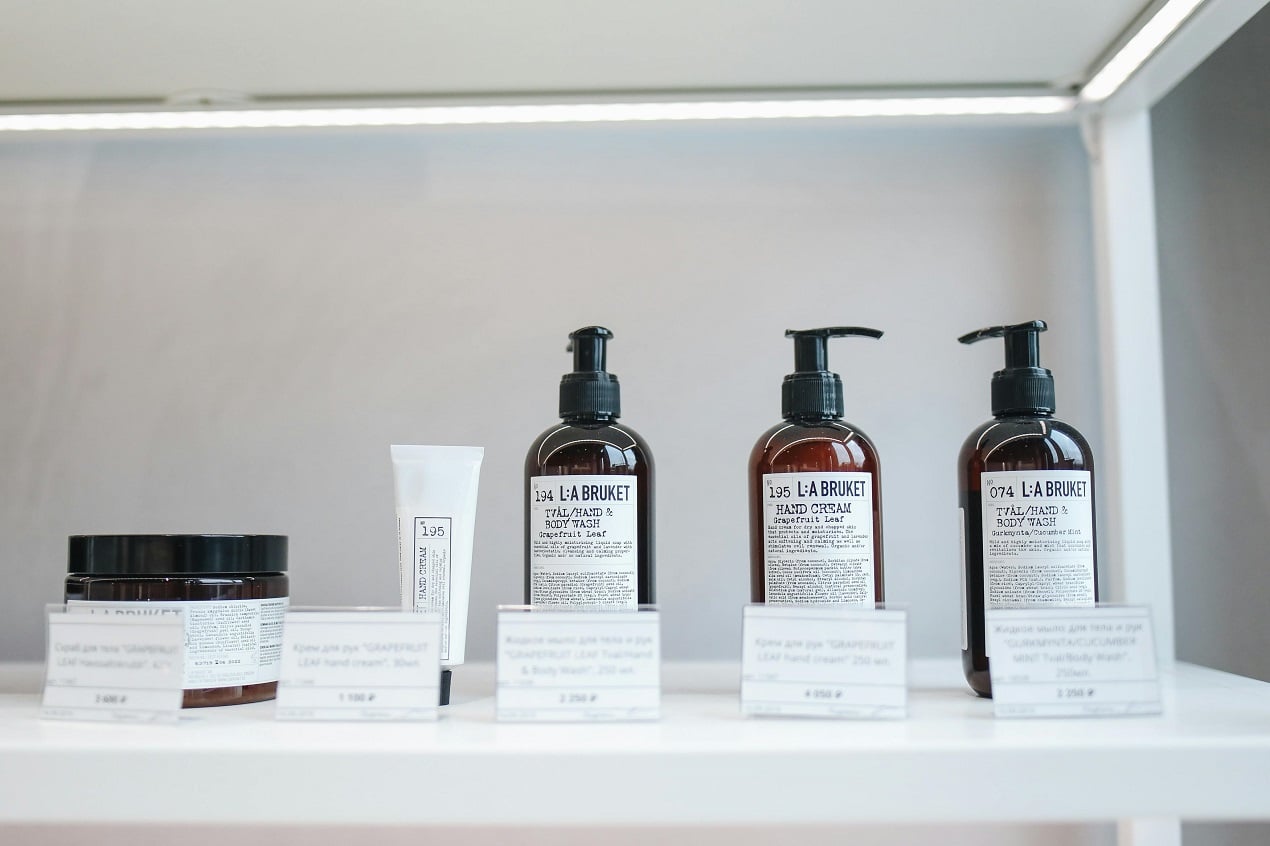
For decades, the standard method for showcasing a product was grounded in gravity. You placed a bottle of perfume on an illuminated shelf, or you set a heavily styled hairpiece on a velvet bust on a table. But consumers are highly conditioned to see objects resting on flat surfaces. It is expected, and therefore, it is easy for the brain to ignore.
To create a genuine visual hook, brands are increasingly turning their environments upside down. They are utilizing the ceiling to make their products appear as if they are floating in mid-air. This defiance of gravity is not just a cheap magic trick; it is a highly effective manipulation of visual psychology and spatial design.
The “Real-Life PNG” Effect
If you work with graphic design or digital mood boards, you understand the power of a clean, isolated image. When you remove a chaotic background from a subject—turning it into a crisp vector or a transparent PNG—the eye has no choice but to focus entirely on the contours and details of that specific item.
Suspending a product in mid-air is the physical manifestation of this digital technique.
When a beauty brand sets up a studio shot or a retail window, placing an item on a pedestal inherently connects it to the floor. The pedestal competes with the product for visual weight. By hanging the item, you sever that connection. The product is physically isolated from the clutter of a vanity, a crowded shelf, or the floor itself. It exists cleanly in negative space, forcing the viewer’s brain to process the item as the absolute, undisputed focal point of the room.
The Mechanics of the Illusion
Of course, the effectiveness of a floating display relies entirely on the invisibility of its mechanics. If the suspension method looks clumsy, the illusion shatters. You cannot achieve a premium, scroll-stopping aesthetic using thick fishing line, bulky chains, or heavy industrial brackets.
This requires specialized architectural rigging. To pull off the perfect floating aesthetic, designers utilize a Ceiling Cable system. These systems rely on ultra-thin, high-tensile stainless steel aircraft wire.
Because the wire is incredibly narrow (often just a millimeter or two thick), it becomes virtually invisible under bright studio lighting or standard retail spotlights. The wire drops from a discreet, low-profile anchor point above, attaching directly to custom acrylic shelves, signage, or the product packaging itself. The result is a high-load capacity suspension that leaves almost no visual footprint.
Dynamic Movement and Shadows
Beyond the initial shock value of defying gravity, suspended displays offer two massive advantages for visual storytelling: movement and lighting.
When a product is placed on a table, it is static. When it is suspended on a tensioned wire, the slightest ambient airflow in the room gives the object a subtle, organic rotation. In video content, this micro-movement catches the light dynamically, bringing a flat scene to life without requiring the creator to physically manipulate the item on camera.
Furthermore, floating an object allows light to hit it from true 360-degree angles. You eliminate the harsh, distracting cast shadows that naturally form when an object touches a solid surface. The product is bathed in even light, resulting in a cleaner, more ethereal presentation that perfectly aligns with modern, minimalist brand identities.
The Agility of the Z-Axis
Finally, the shift toward suspended merchandising is driven by pure agility.
Building custom shelves or temporary walls for a new campaign launch is expensive, labor-intensive, and wasteful. The modern brand moves too fast for permanent architecture. By utilizing the “Z-axis” (the ceiling), a brand can completely redesign a retail space or a video set in an afternoon. You simply slide the suspension drops to a new location on a ceiling track, adjust the height with a push-button grip, and an entirely new spatial arrangement is born—without patching a single hole in the drywall.
Conclusion
In a world saturated with visual noise, clarity is the ultimate luxury. By lifting products off the cluttered floor and utilizing the empty air above, brands can create striking, isolated moments of focus. The future of product display isn’t about building better shelves; it is about letting the product stand completely, beautifully on its own.