

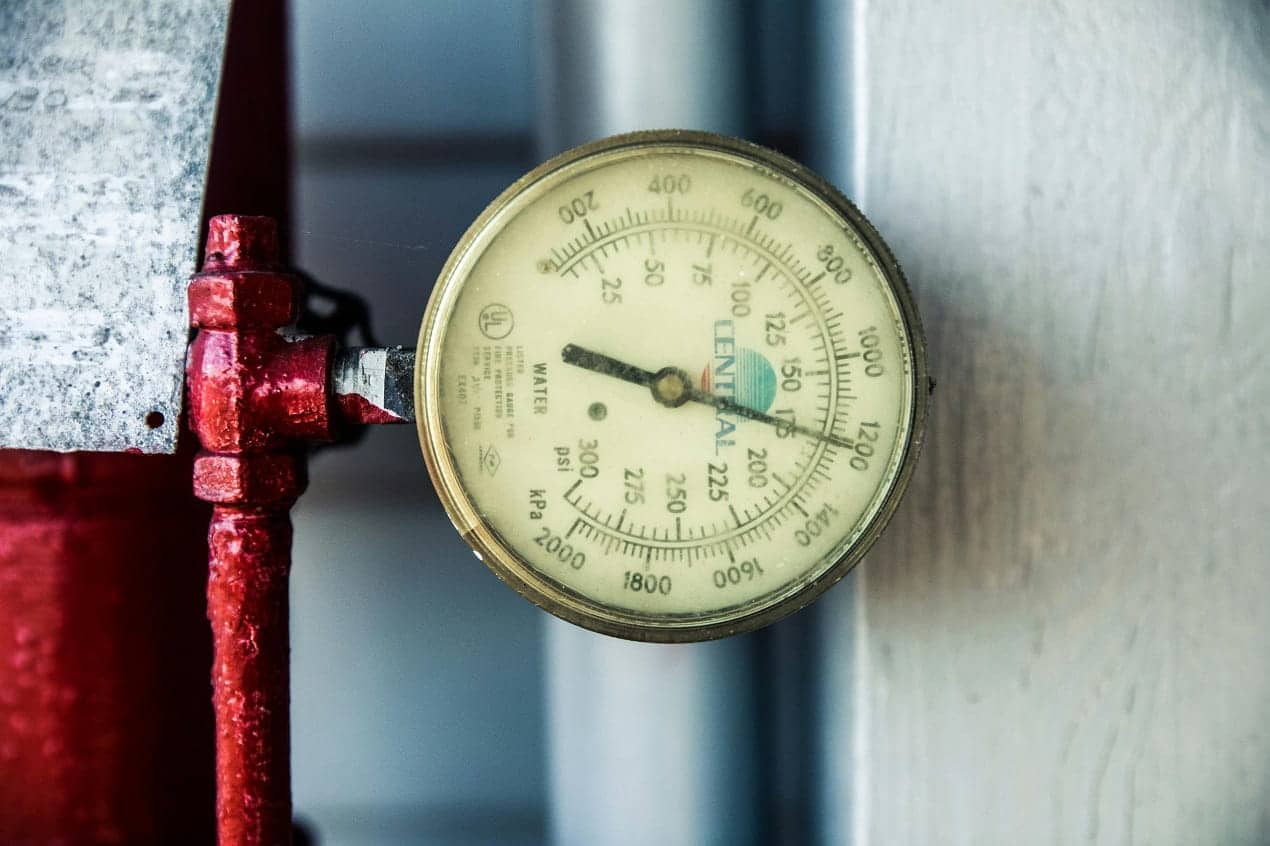
You probably don’t think about water pressure. Not until your shower turns into a sad trickle or your faucet spits water like it’s angry. Then, suddenly, it’s all you can think about.
The Unsung Hero of Your Home
Water pressure affects almost everything in your home. It determines how fast your dishwasher fills, how well your water closets flush, and whether your morning shower actually wakes you up. Your flow rate depends on it, and so do your daily routines.
When pressure is right, you never notice it. When it’s off, even slightly, your entire home feels off too. That’s why it’s worth understanding what good pressure looks like and what can go wrong with it.
The Danger of High Pressure
High water pressure sounds like a good thing. More pressure, better showers, right? Not quite. In fact, too much pressure is one of the sneakiest ways your plumbing system takes damage.
Austin’s water supply system, managed across a network of elevated storage tanks and pump stations, can deliver pressure that spikes well above the safe threshold of 80 PSI. Add to that Austin’s expansive clay-heavy soil, which shifts with rain and drought cycles, and you’ve got a recipe for pipe stress. That shifting ground puts strain on your water lines, and high pressure makes the damage worse. If you’re unsure about your home’s pressure levels, consulting a licensed plumber in Austin is a smart first step before the damage shows up in your appliances or walls.
Consistently high pressure also shortens the life of your appliances. Your washing machine, water heater, and dishwasher are all built with pressure tolerances in mind. Exceed those tolerances regularly and you’re cutting their lifespan short. You’re not getting a stronger home. You’re getting an expensive repair bill.
The Frustration of Low Pressure
Low pressure is more than just annoying. It’s often a symptom of a deeper problem lurking somewhere in your plumbing system.
In Austin’s older neighborhoods, like Hyde Park, Clarksville, and East Austin, many homes still have galvanized plumbing that were installed decades ago. Over time, those pipes corrode from the inside out. Rust build-up and mineral deposits, narrowing the pipe’s interior and eventually causing clogged pipes that choke off your water flow. You end up with low pressure not because there’s less water coming in, but because your pipes can’t carry it properly.
Low pressure can also point to a partially closed shutoff valve, a failing pressure regulator, or even a problem on the city’s side of the meter. Don’t assume it’s a minor inconvenience. Left alone, corroded lines often lead to costly pipe replacement down the road.
The Silent Killer: Leaks
Here’s something most homeowners don’t realize: a sudden change in water pressure is often your home’s way of telling you there’s a water leak.
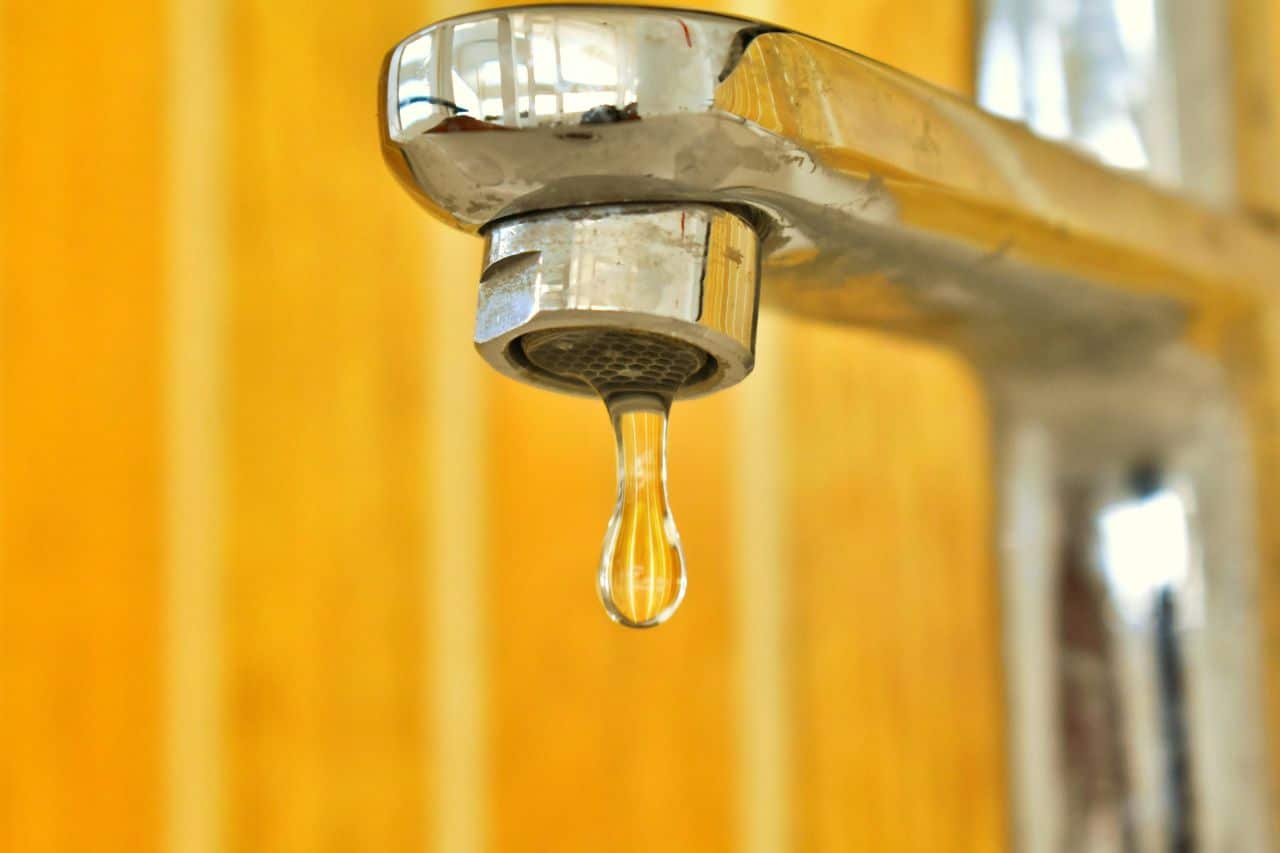
When water escapes through a crack or joint, it diverts flow away from your fixtures. Pressure drops. You might notice it first in the shower or when running two faucets at once. But the leak itself could be inside a wall, under a slab, or somewhere underground in your yard.
These hidden leaks are costly. They waste water continuously, inflating your utility bills month after month. They can also cause mold, structural damage, and serious household plumbing issues. In Austin’s heat, a slow underground leak can go undetected for months while the ground quietly erodes around it.
If your pressure fluctuates without a clear reason, leak detection should be your next step. Don’t wait for water to appear on a wall or ceiling before you take action.
Take Control Before Problems Start
The good news is that checking your water pressure is easy and inexpensive. Pick up a simple pressure gauge at any hardware store for around $10 to $15. Attach it to an outdoor hose bib, turn the water on fully, and read the dial. Healthy residential pressure falls between 40 and 80 PSI. Anything outside that range deserves a closer look.
If your reading is too high, a pressure reducing valve, or PRV, is your best line of defense. It’s a small device installed where the main water line enters your home. It automatically keeps incoming pressure within a safe range, acting as a gatekeeper for your entire plumbing system. It’s one of the simplest ways to protect your pipes and appliances at once.
Most PRVs are set around 50 to 60 PSI at installation, but they wear out over time. If yours hasn’t been checked in a few years, it may no longer be doing its job properly. Replacing a failing PRV is a straightforward fix that protects your home for years to come.
Key Takeaway
Water pressure management isn’t glamorous, but it’s foundational. When it’s right, your home runs smoothly. When it’s off, the consequences ripple through every room. Test your pressure today. Now that you know what to look for, you can fix small problems before they become big ones.