


A waterfront home often looks perfect at first glance. The view feels calming, the breeze off the water adds charm, and every showing seems a little more exciting than the last. Yet waterfront properties come with a unique set of considerations that aren’t always obvious during a tour. Details like maintenance, local regulations, and long-term value don’t always stand out right away, but they influence whether the property truly fits your life.
Instead of learning these lessons after closing, it helps to know which questions experienced professionals wish buyers would ask earlier. This guide walks through the overlooked conversations that can help you make smarter decisions, avoid surprises, and feel more confident while searching for the right waterfront home.
Ask About Location Details Beyond the View
The water view is a natural draw, but the surrounding location is what truly affects how you’ll live there. That’s why it helps to ask an experienced local realtor about the area early in your search, before zeroing in on a specific listing.
For instance, if you’re browsing homes for sale in Virginia Beach, you can work with a real estate specialist like Jake Maines, one of the top Virginia Beach realtors, to help you understand how shoreline access, water conditions, and nearby amenities influence daily living beyond what photos reveal. Through detailed neighborhood insight and careful market guidance, you can ask smarter questions about erosion patterns, dock regulations, and long-term upkeep before committing to a showing.
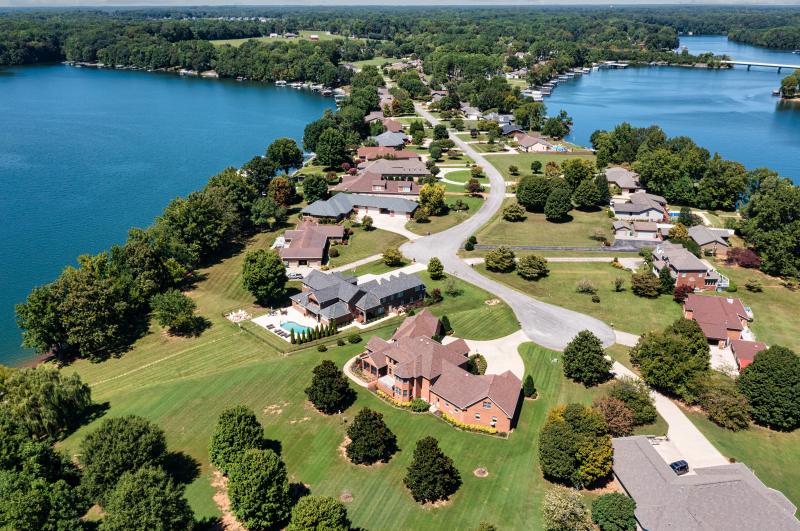
Some stretches of coast also offer calm water suited for kayaking, while others experience stronger tides that affect landscaping and maintenance. Asking about seasonal traffic, public access points, and future development plans also helps you see past staging and décor. They help you notice the everyday details that matter once the excitement of touring settles down.
Understand the True Costs of Waterfront Ownership
Purchase price is only part of the financial picture when it comes to a waterfront home. Insurance policies may include extra coverage for flood zones or storm exposure, and maintenance costs can rise over time because of salt air, humidity, and shifting weather patterns.
Asking about details like storm shutters, stainless-steel locks, and exterior materials early can help you understand how well the property holds up in a coastal environment.
Besides the structural features, everyday upkeep also deserves a closer look. Some lake homes and water-view home listings come with added responsibilities, such as septic inspections, dock repairs, or shoreline stabilization, and those expenses don’t always stand out during a quick showing.
Reviewing real property information carefully, including local rules that affect landscaping, fencing, or private beach access, helps you see the full picture. When you slow down and ask these questions upfront, it becomes much easier to build a realistic budget that comes with owning a waterfront home.
Clarify Lifestyle Expectations Before Touring
A waterfront property can feel peaceful during a midweek showing, but conditions may change dramatically during weekends or peak seasons. So, helps to ask about boat traffic, noise levels, and any local rules tied to short-term or vacation rental activity before you picture yourself living there full-time. These details give you a clearer idea of whether the area stays peaceful year-round or becomes more active than expected.
If you’re looking at lake properties or thinking about a lake house, pay attention to how water levels change throughout the year. Seasonal shifts can affect dock access, shoreline space, and even how your backyard functions day to day. Learning about these patterns early makes it easier to picture your potential daily life in that waterfront home.
Ask About Financing and Inspection Considerations
Buying a waterfront home may involve a few extra steps compared to a standard purchase, so it helps to discuss financing details early. Some lenders ask for larger down payments or additional documentation, especially for older homes near open water. Bringing up jumbo loans, appraisal timelines, and any lender-specific requirements at the start can save you from unexpected delays once your offer moves forward.
On the inspection side, it’s worth asking whether the property has dealt with flooding in the past, how drainage works during heavy rain, and whether previous repairs fully addressed any structural concerns. Waterfront homes often can carry hidden wear from moisture, shifting soil, and storm exposure, so a thorough inspection goes a long way toward understanding whether you’re looking at a well-maintained property.
Learn How the Natural Environment Impacts Daily Living
The beauty of a waterfront property often comes with environmental responsibilities. Ask about wildlife activity and seasonal storms before you commit. Ask about shoreline vegetation requirements, too, as a natural setting can add privacy and charm, but it may also require extra maintenance or specialized landscaping.
It’s also worth looking at how the home itself sits within that environment. Sunlight exposure, prevailing winds, and water reflections all affect interior comfort, and a well-positioned home can feel bright and breezy year-round, while a poorly oriented one may struggle with heat buildup or moisture.
Takeaway
Waterfront home hunting becomes far less overwhelming when you ask the right questions early. By focusing on location realities, long-term costs, and environmental factors, you give yourself a clearer path through the search. The more informed you are before making an offer, the more confident you’ll feel about choosing a waterfront home that truly fits your future.