

You’ve spent months planning your new home. The floor plan, the finishes, the kitchen layout. But there’s one thing most people building from scratch don’t give nearly enough thought to — and it lives beneath everything else.
Getting your basement waterproofing right from day one isn’t just a good idea. It’s the kind of decision that either saves you from headaches for decades or creates them.
New Doesn’t Mean Dry
This is the assumption that catches a lot of new homeowners off guard. A brand new basement feels solid and clean — so it must be fine, right?
Not necessarily. Concrete is porous by nature. The soil surrounding your foundation holds moisture. Groundwater moves in directions you can’t predict. None of that changes just because your home is freshly built. Without a proper waterproofing system installed during construction, water will eventually find a way in. It always does.
The good news is that building stage is the single best time to waterproof — because your contractor has full access to the exterior of your foundation walls before the soil goes back in. That window closes the moment backfilling starts, and reopening it later means excavation, disruption, and a much bigger bill.
What Actually Needs to Happen During Construction
A lot of builders include something called dampproofing as part of a standard build. It’s worth knowing that dampproofing and waterproofing are not the same thing. Dampproofing is a basic coating that handles minor moisture but isn’t designed to stand up to hydrostatic pressure or sustained water infiltration. It’s a starting point — not a complete solution.
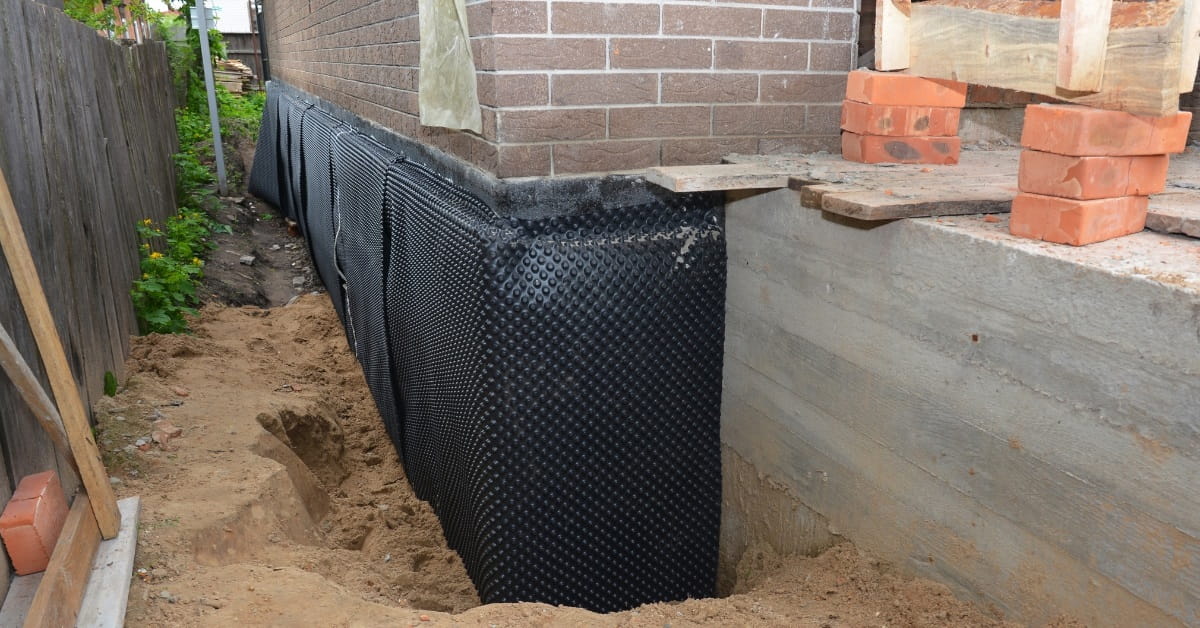
Proper waterproofing at the build stage looks like this: a waterproof membrane applied directly to the exterior foundation walls, a drainage board to protect that membrane and guide water downward, weeping tile installed at the footing level to carry groundwater away from the structure, and clean granular backfill that allows water to drain freely instead of pooling against your walls.
Inside, a sump pump system handles anything that accumulates beneath the floor slab. In Ontario — where spring thaws are heavy, rainfall is significant, and clay soils are common — a sump pump is a baseline necessity, not an upgrade.
Direct Waterproofing in Oakville works with homeowners at the construction stage to make sure the right system is in place before it becomes impossible to access without digging everything back up.
The Details That Often Get Missed
Even on well-intentioned builds, a few things slip through the cracks — and they tend to show up as problems two or three years later.
Grading around the foundation. If the ground slopes toward your home rather than away from it, every rainfall sends water straight to your basement walls. This is a landscaping issue with serious waterproofing consequences. It’s simple to correct before your yard is finished and nearly impossible to fix neatly afterward.
Window wells without drainage. Basement windows are a surprisingly common entry point for water. Without a proper window well and drainage point at the base, water pools right outside the glass and eventually works its way in. It’s a small detail that makes a big difference.
No battery backup on the sump pump. The worst time for your sump pump to fail is during a major storm — which is also when your power is most likely to go out. A battery backup is cheap insurance against a flooded basement on the one night everything goes wrong at once.
Why It’s Always Cheaper to Do It Now
The cost of waterproofing during a new build is a fraction of what it costs once your home is complete. Retrofitting exterior waterproofing means excavating around a finished property — disrupting your lawn, driveway, gardens, and anything else sitting near the foundation. The labour, the equipment, the restoration — it adds up fast.
More than the money, there’s the damage itself. Water infiltration that builds up over years causes mold, structural deterioration, and ruined finishes. These aren’t just repair costs — they affect your family’s health and your home’s long-term value in ways that compound quietly and slowly until they can’t be ignored.
If you’re in the planning or early construction phase right now, this is the moment to ask your builder exactly what waterproofing is included — and to get a second opinion from an independent waterproofing professional if the answer feels vague. The investment you make before the walls go up is the one that protects everything you build above them.