

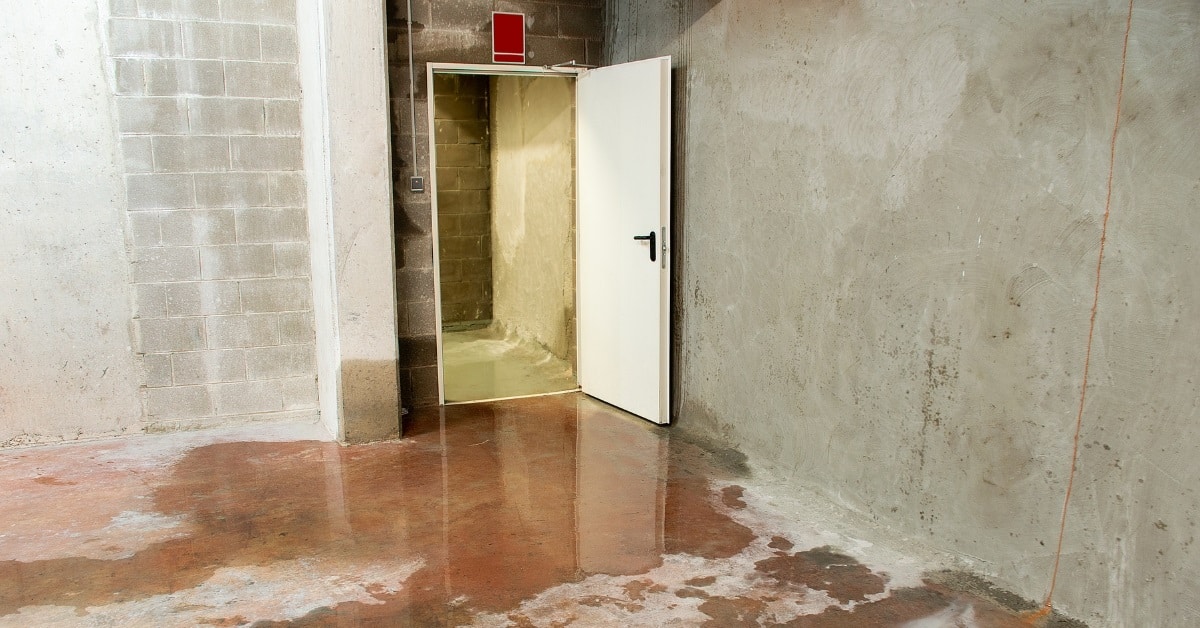
You noticed it after a heavy rain. A dark patch on the wall, maybe a thin line of water along the floor, or just that smell — damp, earthy, unmistakable. Your first instinct was probably to hope it was a one-time thing. It wasn’t. And deep down, you already knew that.
A leaking basement rarely fixes itself. But understanding why it’s happening — the actual cause, not just the symptom — is the difference between a real solution and an expensive guess. Let’s break it down.
What’s Actually Causing the Leak
The Soil Around Your Foundation Is Working Against You
After every rain, the soil surrounding your foundation absorbs water and swells. As it saturates, it pushes that water outward — and inward, toward your basement walls. This is called hydrostatic pressure, and it’s relentless. Even well-built foundations eventually show the effects. Small cracks that seemed harmless get wider. Porous concrete that was “dry enough” starts seeping. If you’ve been dealing with this for more than one season, the team at Aquatech Waterproofing in Burlington can assess exactly where the pressure is coming from and what it’s done to your foundation — before you spend money on anything.
Your Drainage System Has Quietly Stopped Working
Most homes have weeping tile — perforated pipe buried around the footing that collects groundwater and channels it away. It’s invisible and largely forgotten, which is exactly the problem. Over ten, twenty, thirty years, that pipe silts up, gets crushed by soil movement, or gets invaded by tree roots. When it stops working, water that used to be redirected now has nowhere to go except toward your foundation.
This is one of the most common causes of sudden basement leaks in older homes — not new damage, but old infrastructure that’s finally given out.
The Cracks You Can See — and the Ones You Can’t
Concrete cracks. It’s not a defect; it’s physics. As a foundation cures and settles over the years, shrinkage cracks and settlement cracks are almost inevitable. Vertical cracks are usually a water issue. Horizontal cracks — especially near the midpoint of a wall — can signal structural pressure and need attention faster. The crack along the joint where your floor meets the wall is one of the most common water entry points in any basement, and it’s often overlooked because it’s easy to mistake for normal construction.
How to Actually Fix It — Not Just Manage It
Stop Treating the Symptom
Waterproof paint, store-bought sealants, a bigger dehumidifier — these are the things people try first. They’re not useless, but they’re surface responses to a below-surface problem. Hydraulic cement might slow a leak for a season. Paint might make the wall look better for a year. But if water is entering under pressure, it will find another way through. Every temporary fix delays the real conversation.
Interior Drainage: Managing What Gets In
An interior drainage system doesn’t stop water at the wall — it intercepts it at the floor level before it spreads. A channel is cut along the perimeter of the basement floor, drainage pipe is installed in the aggregate below, and water is directed to a sump pump that discharges it safely away from the home. It’s faster, less disruptive, and more affordable than exterior work — and for many homes, it’s genuinely the right long-term answer.
The key is pairing it with a reliable sump pump and, ideally, a battery backup system so it keeps working during the power outages that often come with the same storms that flood basements.
Exterior Waterproofing: Fixing It at the Source
If water is entering through the foundation wall itself — through cracks, through porous concrete, through a failed membrane — exterior waterproofing addresses it directly. The foundation is excavated, the wall is cleaned and repaired, a waterproof membrane is applied, new drainage tile is installed, and the trench is backfilled with permeable material.
It’s more involved and more expensive than interior work. It’s also the most complete solution when the source of the problem is the foundation wall itself. A good contractor will tell you honestly which approach fits your situation — and if anyone quotes you exterior work without inspecting the basement first, that’s a red flag.
One Thing Most Homeowners Get Wrong
They wait. They notice the damp patch, make a mental note, and decide to deal with it later — after the holidays, after summer, after the kids go back to school. Water doesn’t wait. Every wet season that passes without a fix is another season of moisture working into your framing, your insulation, your concrete. Mold establishes itself in 24 to 48 hours under the right conditions. Structural damage compounds quietly.
The repair that costs X today will cost more next year — not because prices go up (though they do), but because the damage itself grows. The best time to fix a leaking basement is the first time you notice it. The second best time is right now.