


A small leak rarely stays small for long. What starts as a slow drip under a sink can turn into warped flooring, mold growth, and an expensive repair bill. The good news is that most issues can be spotted early with a simple routine.
What Makes a Seasonal Plumbing Check Worth Your Time
Top-ranking resources all share one thing: they simplify maintenance into repeatable steps. The value is in catching issues early and staying consistent. Many homeowners also pair their routine with guidance from trusted professionals like Drain Rescue Plumbers to make sure nothing gets overlooked.
A strong seasonal plumbing maintenance checklist for homeowners focuses on:
- Quick visual checks that reveal early warning signs
- Simple tests that confirm your system is working properly
- Seasonal adjustments to prevent weather-related damage
Ten minutes, four times a year, can prevent thousands in repairs.
Start Here Before You Move Room to Room
Before checking individual spaces, take one minute to assess your system overall.
Quick Whole-Home Checks
- Listen for running water when everything is turned off
- Check your water bill for unexpected increases
- Locate your main shut-off valve and confirm it’s accessible
These steps support testing home water pressure and shut-off valves, which is essential in an emergency. If you cannot quickly turn off your water, a minor leak can escalate fast.
Kitchen Check: Keeping the Most Used Area Under Control
The kitchen sees daily use, which makes it one of the first places plumbing issues appear.
What to Look For
- Moisture or stains under the sink
- Drips around faucet connections
- Slow drainage or unusual odours
- Signs of corrosion on exposed pipes
Quick Actions
- Run water and check for leaks while the tap is on
- Open and close shut-off valves under the sink to prevent them from sticking
- Inspect the garbage disposal for unusual noise or vibration
These simple checks help you identify hidden water leaks room by room, especially in cabinets, where damage often goes unnoticed.
Bathroom Inspection Catching Small Issues Before They Spread
Bathrooms contain multiple fixtures, which means more potential failure points.
Focus Areas
- Toilet base and tank for leaks or movement
- Faucet handles and showerheads for drips
- Caulking around tubs and sinks
- Water pressure consistency
Fast Test You Shouldn’t Skip
Add a few drops of food colouring to the toilet tank. Wait 10 minutes without flushing. If colour appears in the bowl, you have a silent leak.
Toilets and showers are among the most common sources of water waste. Regular checks support preventative plumbing maintenance for winter and spring, when temperature shifts can stress seals and joints.
Laundry Room and Utility Areas Where Leaks Hide Easily
Laundry rooms often go unchecked, yet they handle high water volume.
What to Inspect
- Washing machine hoses for cracks or bulging
- Connections at the wall for leaks
- Drain pipe for proper flow
- Floor condition around appliances
Pro Tip
Replace rubber hoses with braided stainless steel ones. They last longer and reduce the risk of sudden failure.
This step strengthens your routine for how to perform a DIY home plumbing inspection without adding complexity.
Basement and Mechanical Room: Your Home’s Plumbing Core
If your home has a basement, this is where major issues can develop unnoticed.
Key Components to Check
- Water heater for rust, leaks, or pooling water
- Floor drains for blockages
- Exposed pipes for condensation or corrosion
- Sump pump (if present) for proper operation
Quick Water Heater Check
- Look for sediment buildup signs (popping noises)
- Ensure no moisture is present around the base
These checks play a major role in testing home water pressure and shut-off valves, since pressure irregularities often show up near your main system.
Outdoor Plumbing: Preparing for Seasonal Changes
Outdoor fixtures are highly vulnerable to the weather.
What to Inspect
- Garden hoses and outdoor taps
- Irrigation systems for leaks or misalignment
- Signs of water pooling near the foundation
Seasonal Focus
- In colder months, disconnect hoses and shut off exterior water lines
- In warmer months, check for cracks caused by winter freezing
This is a core part of preventative plumbing maintenance for winter and spring, helping you avoid frozen pipes and costly repairs.
How to Test Water Pressure in Under a Minute
Water pressure that is too high can damage pipes and fixtures over time.
Simple Method
- Turn on a faucet fully and observe flow strength
- If water blasts aggressively or fluctuates, pressure may be too high
- Consider using a pressure gauge for accuracy
Stable pressure is essential for system longevity and supports your broader seasonal plumbing maintenance checklist for homeowners.
Signs of Hidden Leaks You Should Never Ignore
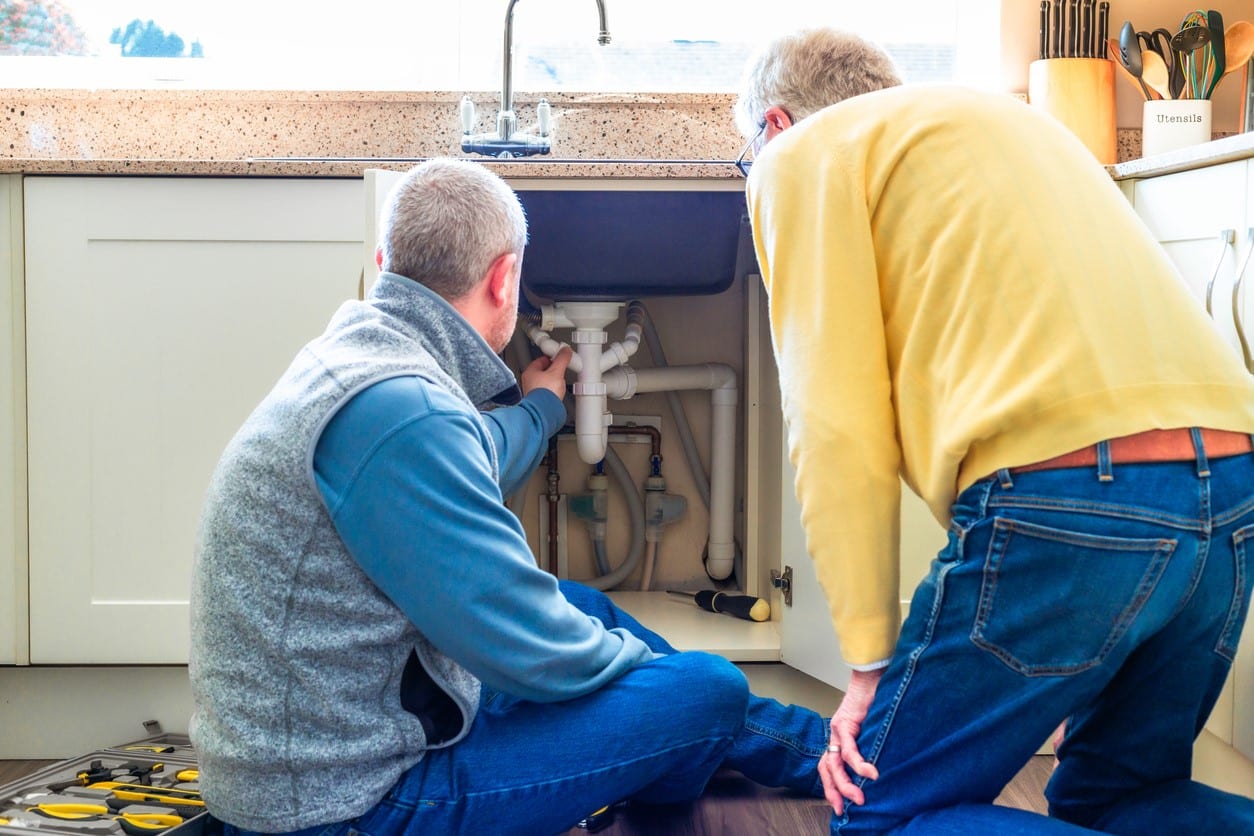
Not all plumbing issues are visible. Early detection depends on recognizing subtle changes.
Watch For
- Musty smells in enclosed spaces
- Warped cabinets or flooring
- Peeling paint or bubbling drywall
- Unexpected increases in water bills
Learning how to check for hidden water leaks room by room helps you catch these warning signs before structural damage occurs.
A Simple 10 Minute Routine You Can Repeat Every Season
If you prefer a quick reference, follow this structure:
Your 10 Minute Plumbing Audit
- Walk through kitchen and bathroom fixtures
- Check under sinks for moisture
- Inspect toilet tanks and bases
- Review laundry hoses and connections
- Look at basement systems and water heater
- Test outdoor taps depending on the season
- Confirm shut-off valves are working
Keep It Consistent
- Perform this check at the start of each season
- Set a reminder so it becomes routine
- Document any changes you notice
Consistency is what turns a simple checklist into effective preventative plumbing maintenance for winter and spring.
Small Effort Big Savings
The highest-ranking plumbing guides succeed because they respect the reader’s time. They break maintenance into simple, repeatable steps that deliver real value without overwhelming detail.
A well-executed DIY home plumbing inspection does exactly that. It gives you control over your home’s plumbing system, helps you catch problems early, and reduces the likelihood of emergency repairs.
If you take one thing from this guide, make it this: small checks done regularly are far more effective than large repairs done too late.